


Understanding the Vrat: Phalahar vs. Nirjala
Before diving into the menu, it's important to know which type of fast you are observing, as this depends on family tradition and personal health. The strictest form is the 'Nirjala' vrat, where devotees abstain from both food and water until the fast is broken
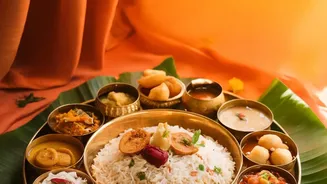
at midnight. However, the more common practice is the 'Phalahar' vrat. This allows for the consumption of fruits, milk products, and specific non-grain foods throughout the day, ensuring you can maintain energy for prayers and celebrations.
Permitted Flours and Starches
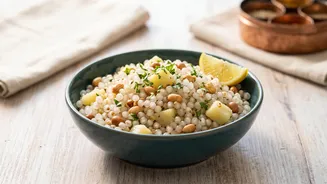
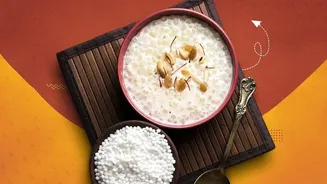
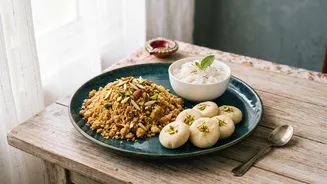
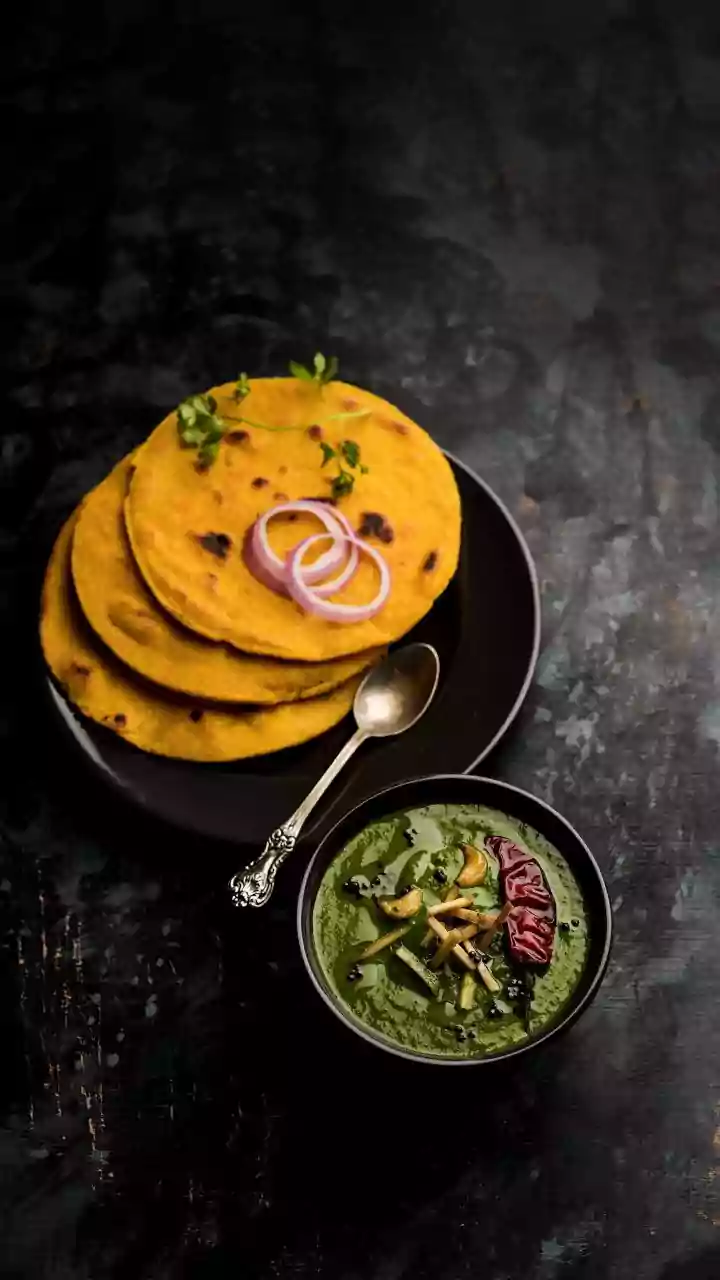
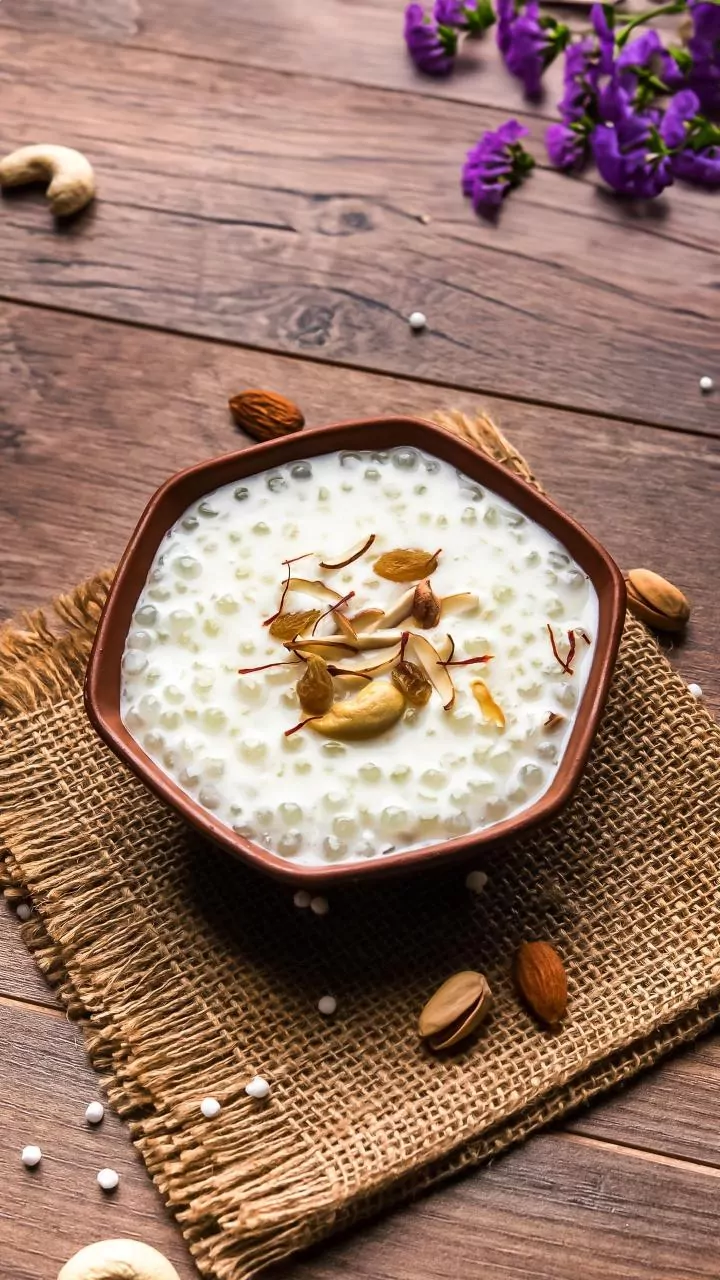
Regular grains like wheat and rice are strictly avoided during the Janmashtami fast. Instead, a special category of flours and starches forms the base of most vrat meals. You can use Kuttu ka atta (buckwheat flour), Singhare ka atta (water chestnut flour), and Rajgira ka atta (amaranth flour). These are used to make pooris, parathas, and cheelas. Sabudana (tapioca pearls) and Samak ke chawal (barnyard millet) are also extremely popular and versatile, commonly used to prepare khichdi, kheer, and vadas.
Vegetables, Fruits, and Nuts
The approved vegetable list is quite specific. Potatoes, sweet potatoes, raw banana, pumpkin, and bottle gourd are widely consumed. These can be made into simple sabzis using vrat-approved spices. When it comes to fruits, all seasonal varieties like bananas, apples, pomegranates, and papayas are permitted and provide a great source of natural energy. Dry fruits and nuts such as almonds, walnuts, and cashews are also excellent for snacking. Roasted makhana (fox nuts) is another light yet filling option that is a favourite during fasts.
Dairy, Spices, and Sweeteners
Dairy products are a cornerstone of the Janmashtami fast. Milk, curd, paneer, and buttermilk can be consumed freely and are used in many preparations. One of the most important rules is to avoid regular table salt. Instead, Sendha Namak (rock salt) is used for seasoning. Other permitted spices include black pepper, cumin, ginger, and green chillies. For sweeteners, you can use sugar, jaggery, or honey.
Foods to Strictly Avoid
To maintain the sanctity of the fast, a number of food items must be completely avoided. This list is just as important as the permitted one. All grains and lentils, including wheat, rice, sooji (semolina), and dals, are forbidden. Onion and garlic are considered tamasic and are strictly prohibited in any vrat preparation. Additionally, all non-vegetarian food, eggs, and alcohol must be avoided. It's also advised to steer clear of certain vegetables like brinjal and radish.
Tips for a Healthy Fast
While many vrat-friendly foods are available, it's easy to fall into the trap of consuming too many deep-fried items like pooris and vadas. While delicious, these can leave you feeling heavy and lethargic. To stay energised, focus on balanced meals. Pair a Kuttu ki poori with a yogurt-based dish like Dahi Aloo to balance the heating effect of the flour. Opt for lighter preparations like Sabudana Khichdi over fried vadas, and snack on fruits or roasted makhana between meals. Staying hydrated with water, coconut water, or milk is also crucial.