






Why Damp Balconies Are a Problem
High humidity, poor air circulation, and lower light levels create the perfect storm for plant problems. During the rainy season, water doesn't evaporate quickly from soil or leaves. This constant moisture invites fungal diseases like powdery mildew,
which looks like a white dusting on leaves, and black spot, which causes dark lesions. These diseases weaken the plant, hinder photosynthesis, and can eventually be fatal. Furthermore, this damp environment is a breeding ground for common pests like aphids, spider mites, and whiteflies, which suck the life out of your plants and can quickly spiral out of control in a contained balcony space.
Enter Neem Oil: Nature’s Protector
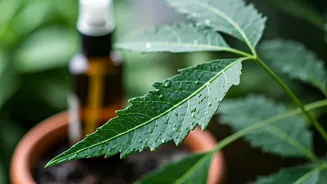
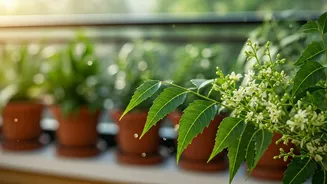
Neem oil, extracted from the seeds of the neem tree (Azadirachta indica), is a time-tested solution in Indian agriculture and gardening. Its power comes from multiple active compounds, most notably Azadirachtin. This compound doesn't just kill pests on contact; it also acts as an anti-feedant and growth regulator, disrupting their life cycle and preventing future generations. As a fungicide, neem oil is effective at preventing fungal spores from germinating, stopping diseases like powdery mildew and rust before they take hold. Being an organic, biodegradable substance, it’s a much safer alternative to harsh chemical pesticides, especially for gardens where you might be growing herbs or vegetables.
How to Choose and Mix Your Solution
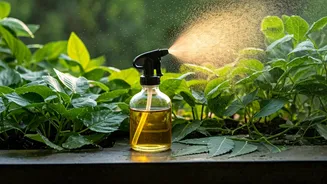
To be effective, you need the right kind of neem oil and the correct mixture. Look for 100% pure, cold-pressed organic neem oil. The cold-pressing process ensures that the Azadirachtin and other beneficial compounds remain intact. Avoid products that are pre-mixed or clarified, as they are often less potent. To create your spray, you'll need an emulsifier, as oil and water don't mix. A gentle liquid soap (like a simple dish soap without degreasers or bleach) works perfectly. Here is a standard recipe for one litre of spray: 1. **Water:** 1 litre of lukewarm water (helps the oil mix better). 2. **Neem Oil:** 1 teaspoon (5 ml) of cold-pressed neem oil. 3. **Liquid Soap:** ½ teaspoon (2-3 ml) of gentle liquid soap. Combine the soap and water in a spray bottle first and shake well. Then, add the neem oil and shake vigorously again. You must shake the bottle periodically during application to keep the solution emulsified.
Best Practices for Application
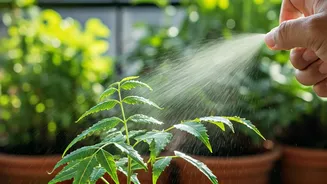
Timing and technique are crucial for success and safety. Always spray your plants in the early morning or late evening. Applying neem oil in direct, hot sun can cause the leaves to burn. This timing also minimises harm to beneficial pollinators like bees, which are less active at these times. When you spray, aim for complete coverage. Pests and fungal spores love to hide on the undersides of leaves and in the crevices where leaves meet the stem. Be thorough and coat all surfaces of the plant until they are dripping. For preventative care during the monsoon, a weekly application is a good routine. If you are actively treating an infestation or a fungal outbreak, you may need to apply it every 3-4 days until the problem is under control.
A Few Important Precautions
While neem oil is organic, it is still a potent substance. Always perform a 'patch test' before spraying an entire plant. Apply the solution to a small area (one or two leaves) and wait 24-48 hours to ensure there is no adverse reaction like yellowing or burning. Some plants can be more sensitive than others. Do not over-apply; more is not better and can clog the pores on the leaves. Though it is considered safe, it's wise to keep the concentrated oil and spray solution away from children and pets. Finally, while it is less harmful than chemical pesticides, direct spray can still affect some beneficial insects, so apply it thoughtfully and avoid spraying blossoms where pollinators are actively feeding.