


A New Era of Highway Travel
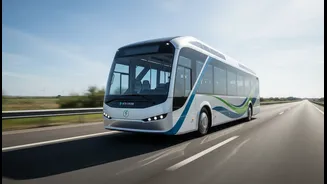
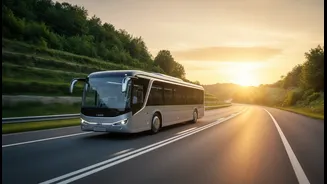
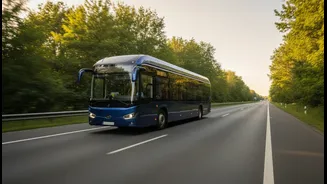
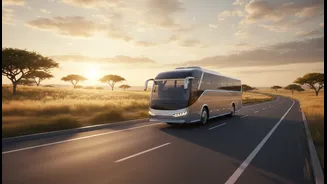
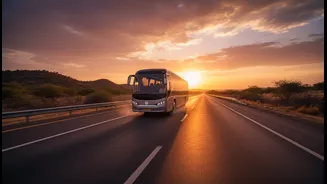
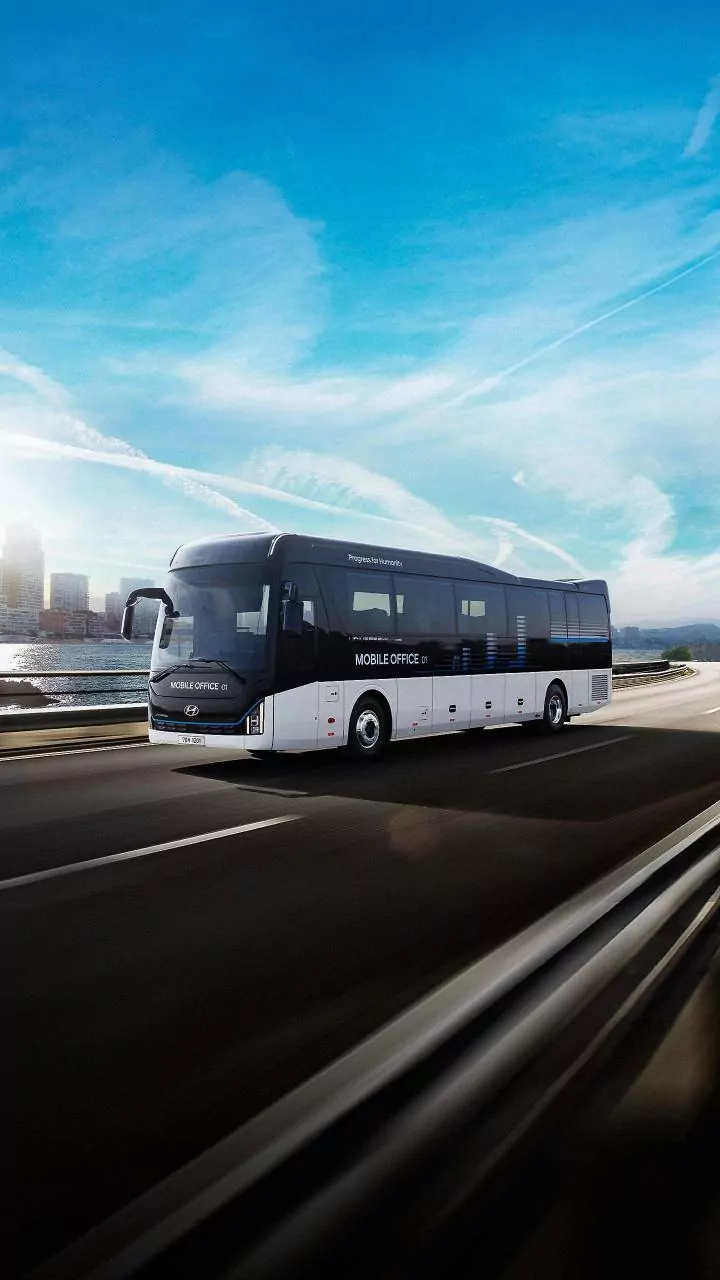
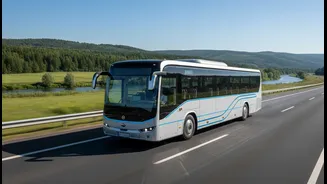
A quiet revolution is underway on India's national highways. A new fleet of premium electric intercity buses is beginning to replace the noisy, diesel-guzzling coaches of the past. Companies like NueGo, zingbus, and others are rolling out services that
promise not just a greener journey, but a fundamentally better one. These aren't your typical state transport buses; they are positioned as premium offerings, targeting passengers willing to pay for a superior experience. With zero tailpipe emissions, they represent a significant step towards India’s goals for cleaner mobility and reduced dependence on fossil fuels. Recent announcements show a major push for expansion, with operators signing deals to deploy hundreds of new electric buses on high-demand routes connecting major hubs like Bengaluru, Hyderabad, Chennai, Mumbai, and Goa. This expansion is part of a larger national strategy, supported by government initiatives like the FAME (Faster Adoption and Manufacturing of Electric Vehicles) scheme, to build a robust electric public transport network.
Redefining Onboard Comfort
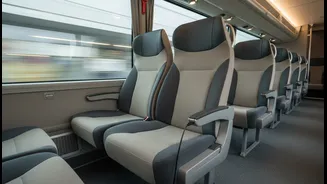
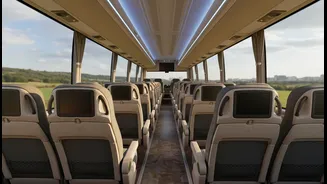
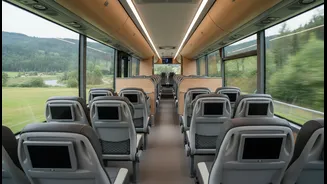
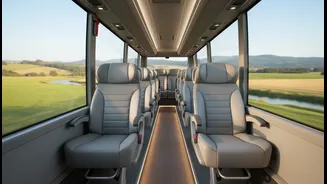
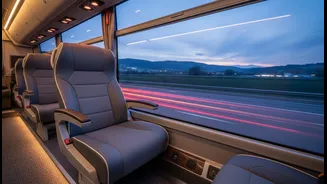
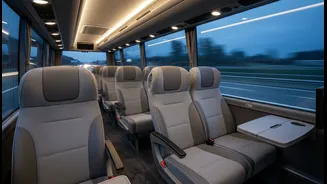
The word "premium" is central to this new service. For passengers, the most immediate difference is the ride itself. Electric buses are significantly quieter and produce fewer vibrations than their diesel counterparts, leading to a much smoother and more peaceful journey. The interiors are designed to match, with features like ergonomic, reclining seats, ample legroom, and full air suspension absorbing the bumps of the road. To cater to the modern traveller, these buses are equipped with amenities such as individual USB charging ports at every seat, Wi-Fi connectivity, and sometimes even onboard infotainment systems. Some premium services, like zingbus Maxx, extend the experience with welcome kits, dedicated crew members, and even meals on select routes, blurring the line between bus travel and a hospitality-led service. This focus on passenger experience aims to make bus travel a more attractive option for a wider audience.
The Crucial Charging Question
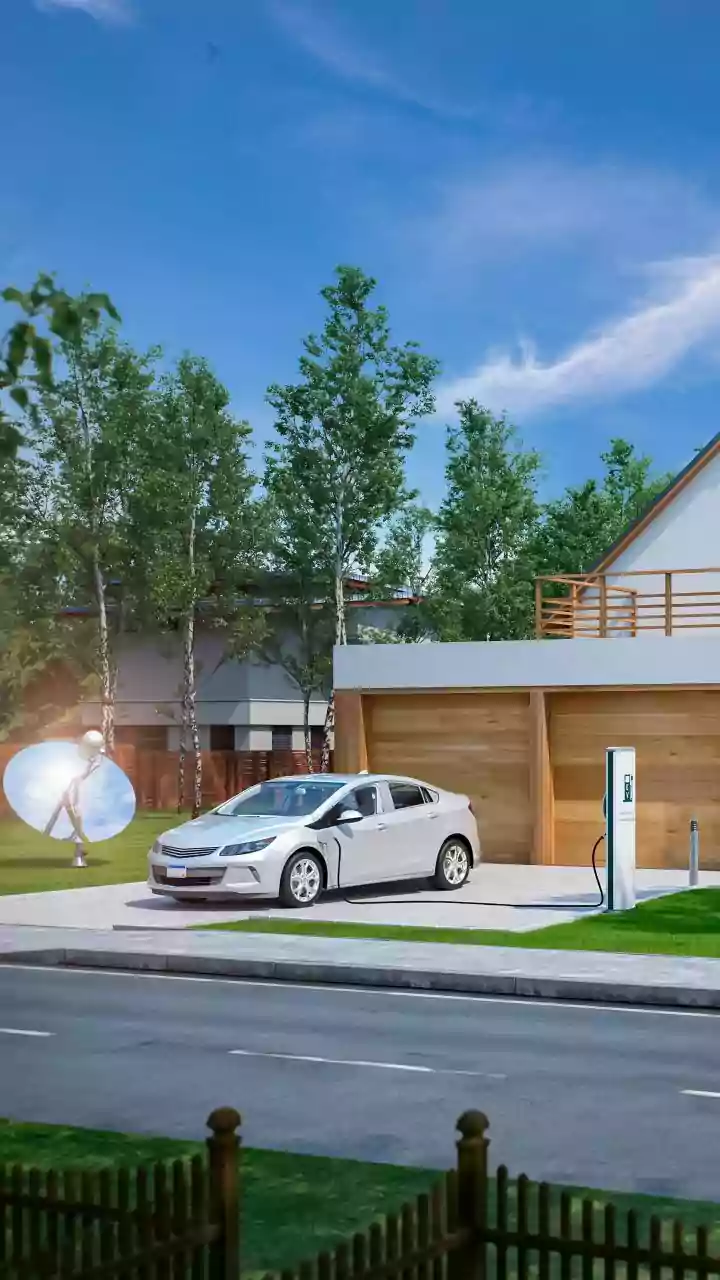
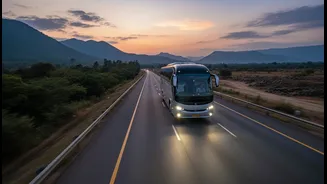
Perhaps the biggest operational hurdle for intercity electric buses is the need for reliable charging. An electric bus is only as good as the infrastructure that supports it. To address this, operators are building a network of charging stations at depots and, crucially, en route. Most intercity e-buses have a range of about 250-300 km on a single charge, which is sufficient for many shorter routes. For longer journeys, planned stops at highway rest areas with DC fast chargers are essential. These high-power chargers can significantly reduce downtime, often bringing a bus battery to a high level of charge in the time it takes for passengers to have a meal break. Companies like JBM and NHEV are actively developing this highway charging ecosystem, sometimes in partnership with bus operators, to ensure seamless travel and eliminate range anxiety. The placement and capacity of these stations are planned using data on popular routes to ensure buses are never far from a power source.
Punctuality and Route Reliability
A comfortable bus that runs late is still a frustrating experience. This is where electric buses offer another, less obvious advantage. With far fewer moving parts than a diesel engine, electric buses require less maintenance and have lower rates of mechanical failure, leading to improved operational reliability. This translates to more predictable schedules and a lower likelihood of on-road breakdowns. Furthermore, operators are leveraging technology to enhance punctuality. Features like real-time GPS tracking allow both the company and the passengers to monitor the bus's location and estimated time of arrival. Advanced driver assistance systems (ADAS) and electronic speed limiters (often set to 80 km/h) not only improve safety but also encourage a more consistent and efficient driving style, which helps in adhering to schedules. By meticulously planning routes around charging stops and using technology to manage fleets, operators are working to make the stereotype of the chronically late Indian bus a thing of the past.