




A Reaction Against 'Fast Furniture'
For years, the mantra was 'new is better'. Mass-produced, flat-pack furniture offered affordability and convenience, but often at the cost of durability and character. Homeowners are now experiencing fatigue with pieces made from MDF or particle board
that swell in humidity and weaken at the joints within a few years. This has sparked a counter-movement towards 'slow luxury'—a preference for fewer, better things over disposable items. The focus is shifting to furniture that can last, be repaired, and hold its value, rejecting the cycle of constant replacement that defines the fast-furniture model.
The Pull of Nostalgia and Heritage
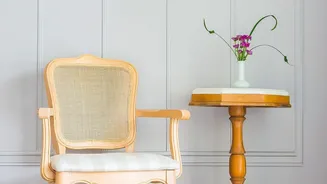
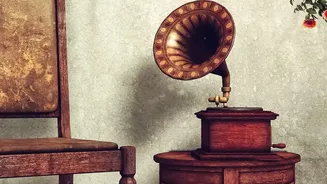
Many Indian homes have at least one piece of furniture with a past—a grandparent's bookshelf, a heavy teak trunk, or a dining table that has hosted generations. Previously, these items might have been seen as outdated, but today they are treasured for their emotional weight and historical depth. This new mindset sees heirloom furniture not as fragile relics to be hidden away, but as functional, character-rich pieces to be lived with. Designers note that today's homeowners are more confident in using these items, understanding that signs of wear and tear add to their story rather than diminishing their worth. Integrating a refurbished colonial-era desk or a polished vintage cabinet brings a unique warmth and a sense of continuity that mass-produced items cannot replicate.
Making Smart Economic Sense
Beyond sentiment, restoring old furniture is often a sound financial decision. A 20-year-old solid sheesham or teak dining table is frequently better built than a new laminate table at a similar price point. While the upfront cost of a high-quality new wooden piece can be substantial, the cost of professionally refinishing a used one is often a fraction of that price. Solid wood furniture was designed to last for decades, and its durability means it can be repaired, polished, and reupholstered instead of being discarded. This longevity offers better long-term value, as a restored quality piece can easily outlast several cheaper, modern alternatives.
The Sustainability Imperative
As awareness grows around India's significant waste generation, consumers are increasingly seeking eco-friendly options. The building and interiors sector is a major contributor to carbon emissions, making sustainable choices more critical than ever. Upcycling and restoration directly address this by diverting items from landfills and reducing the demand for new raw materials. This process requires less energy than manufacturing new products from scratch. The trend aligns with a broader shift towards conscious living, where homeowners want their choices to be good for the planet. This includes using natural, locally sourced materials and supporting artisan communities, principles that are inherent in the restoration of traditional Indian furniture.
Creating Homes with Unique Character
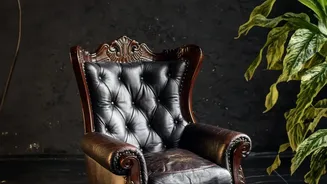
After years of minimalist interiors that often looked the same, there is a growing desire for homes that feel personal and authentic. Restored furniture is a powerful tool for achieving this. A vintage piece, whether it's a planter's chair or an old sewing machine repurposed as a table, adds a layer of history and texture that makes a space interesting. The contrast between an old, character-filled cabinet and a modern sofa can have more visual impact than a perfectly coordinated set. This approach allows homeowners to move beyond catalogue-dictated styles and curate spaces that reflect their own personality and story, creating homes that are truly one-of-a-kind.