







The Monsoon's Double-Edged Sword
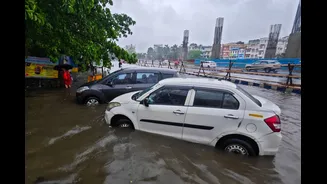
The rainy season in India is synonymous with revival and greenery, but it also creates the perfect breeding ground for a host of illnesses. The combination of high humidity, waterlogging, and fluctuating temperatures allows bacteria, viruses, and disease-carrying
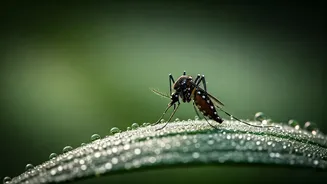
vectors like mosquitoes to thrive. This annual spike in sickness is what many health officials refer to as the monsoon health season. The most common threats are broadly categorised into two groups: vector-borne diseases, spread by mosquitoes, and waterborne diseases, which spread through contaminated food and water. Every year, hospitals report a sharp increase in cases of dengue, malaria, typhoid, and gastroenteritis, placing a significant strain on public health systems.
Why Smaller Cities Are More Vulnerable
While monsoon illnesses affect everyone, residents of Tier-2 and Tier-3 cities face a unique set of challenges. Rapid and often unplanned urbanisation in these areas can lead to inadequate drainage systems, causing widespread waterlogging where mosquitoes breed prolifically. Furthermore, healthcare infrastructure in these growing hubs often lags behind that of major metros. There can be a significant shortage of specialist doctors and advanced diagnostic equipment, leading to delayed diagnosis and treatment. A family might have to travel to a larger city for specialised care, incurring significant costs and losing valuable time. Issues with sanitation and access to safe, clean drinking water can also be more pronounced, increasing the risk of waterborne outbreaks like cholera and typhoid.
Know Your Enemy: Common Monsoon Illnesses
Understanding the symptoms of the most common diseases is the first step toward timely treatment. Mosquito-borne illnesses like Dengue, Malaria, and Chikungunya often present with similar initial symptoms like high fever and body aches. Dengue, sometimes called "breakbone fever," is known for severe joint and muscle pain, headache, and a rash. Malaria's classic sign is a recurring cycle of fever, chills, and sweating. Chikungunya is distinguished by debilitating joint pain that can linger for weeks or months.
Waterborne diseases are another major concern. Typhoid fever typically causes a prolonged high fever, weakness, and abdominal pain. Cholera is marked by severe, watery diarrhoea and can lead to rapid dehydration. Other common ailments include gastroenteritis (stomach flu), jaundice, and various viral fevers that spread easily in the humid climate.
Your Prevention Toolkit: A Practical Guide
Prevention is always better than cure, and simple measures can go a long way in keeping your family safe. At home, the primary goal is to eliminate mosquito breeding grounds. Don't allow water to stagnate in coolers, flower pots, or old tyres. Use mosquito nets while sleeping and apply repellents when outdoors, especially during dawn and dusk.
When it comes to food and water, exercise caution. Drink only boiled, filtered, or purified water. Be wary of street food, especially items that are uncooked or have been sitting out, as they can be easily contaminated. Wash fruits and vegetables thoroughly before consumption and stick to freshly prepared, hot meals. Maintaining personal hygiene by washing your hands frequently with soap is also one of the most effective ways to prevent the spread of infections.
When to Consult a Doctor
Self-medication can be dangerous, as many diseases share similar symptoms. A sudden high fever during the monsoon should never be ignored. If you or a family member experiences persistent high fever, severe headache or body pain, debilitating joint pain, rashes, or signs of dehydration, it is crucial to seek medical advice promptly. Early diagnosis through blood tests can differentiate between dengue, malaria, and other fevers, ensuring you receive the correct treatment and avoid potentially serious complications. Paying attention to your body and acting quickly is your best defence during this challenging season.