






The Afternoon Snack Trap
We’ve all been there. The workday is winding down, your energy is flagging, and your stomach starts rumbling. This is the moment of truth. Do you reach for that greasy samosa, a sugary biscuit, or a bag of salty crisps? These snacks offer a quick burst
of energy, but it's a short-lived high, often followed by a crash that leaves you feeling even more tired. The combination of refined carbohydrates, unhealthy fats, and excess salt can lead to weight gain, lethargy, and other long-term health issues. The key isn't to stop snacking, but to snack smarter. A good snack should provide sustained energy, keep you full until your next meal, and contribute positively to your daily nutritional needs.
Enter the Hero: Sprouted Green Gram
This is where green gram, or moong, comes in. This humble pulse is a nutritional powerhouse, widely celebrated in Indian cuisine for its versatility and health benefits. Whole green gram is packed with plant-based protein, dietary fibre, and essential minerals like potassium, magnesium, and iron. Protein is crucial for building and repairing tissues, and it promotes satiety—that feeling of fullness—which helps curb overeating. The fibre in moong aids digestion and helps regulate blood sugar levels, preventing the sharp spikes and crashes associated with sugary snacks. By choosing a snack based on green gram, you are fueling your body with nutrients that provide steady, lasting energy instead of a fleeting rush.
The Magic of Sprouting
Sprouting takes the nutritional benefits of green gram to a whole new level. When you soak and sprout moong, you are essentially waking up the dormant seed, initiating the germination process. This process does several amazing things. First, it increases the bioavailability of nutrients, meaning your body can absorb the vitamins and minerals more easily. Sprouting can significantly boost the content of vitamins like Vitamin C and B vitamins. Second, it reduces anti-nutrients like phytic acid, which can interfere with the absorption of minerals. Finally, sprouting breaks down complex starches into simpler sugars, making the grams easier to digest and reducing the chances of bloating or gas that some people experience with legumes.
How to Sprout Moong at Home
Making your own sprouts is incredibly simple. All you need is a bowl, a clean cloth, and some whole green gram. 1. **Wash and Soak:** Take about half a cup of whole green gram, rinse it thoroughly, and soak it in plenty of water for 8-10 hours, or overnight. 2. **Drain:** The next morning, drain all the water completely. You can use a colander for this. Rinse the soaked moong one more time. 3. **Sprout:** Transfer the drained moong to a sprout maker or tie it loosely in a clean muslin or cotton cloth. Place it in a warm, dark spot in your kitchen, like a cupboard. 4. **Wait:** Leave it for 12-24 hours. You will see small, white tails emerging from the grams. Your sprouts are ready! If you prefer longer sprouts, you can rinse them once and leave them for another 12 hours.
The Ultimate Sprouted Moong Chaat Recipe
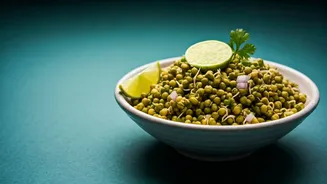
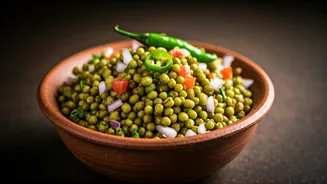
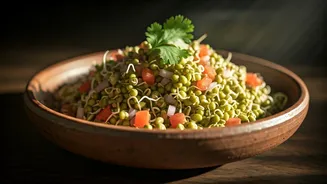
Now for the fun part! This recipe is a vibrant, flavourful chaat that comes together in minutes. **Ingredients:** - 1 cup sprouted green gram - 1 small onion, finely chopped - 1 small tomato, finely chopped - 1/2 cucumber, finely chopped (optional) - 1 green chilli, finely chopped (adjust to taste) - 2 tbsp fresh coriander, chopped - 1 tbsp lemon juice - 1/2 tsp chaat masala - Black salt (kala namak) to taste - A handful of roasted peanuts or sev for crunch (optional) **Instructions:** In a large bowl, combine the sprouted moong, chopped onion, tomato, cucumber, and green chilli. Add the chaat masala, black salt, and lemon juice. Mix everything well until the sprouts are evenly coated with the spices. Garnish with fresh coriander. For extra texture, you can add roasted peanuts or a sprinkle of sev just before serving. Enjoy immediately for the best flavour and crunch.