






Jamun: The Purple Powerhouse
The quintessential monsoon fruit, Jamun (or Indian Blackberry) is more than just a nostalgic treat. Its deep purple hue signifies the presence of anthocyanins, powerful antioxidants that combat inflammation. Available for a short period, this fruit is a nutritional
gem, rich in iron, potassium, folate, and Vitamin C. It's particularly lauded for its properties that help in regulating blood sugar levels. The iron content helps fight the fatigue and lethargy that can be common during the gloomy monsoon weather, making it a perfect low-calorie snack to boost your energy and immunity.
Gourds: The Humble Healers
Monsoon is the season when gourds like Lauki (Bottle Gourd), Karela (Bitter Gourd), and Turai (Ridge Gourd) are abundant. While they might not be the most glamorous vegetables, their benefits are immense, especially when the digestive system can be sluggish. Lauki is extremely easy to digest, rich in fibre, and has a high water content, helping to maintain gut health. Bitter Gourd, despite its taste, is a champion for boosting immunity with its high Vitamin C content and antiviral properties. These vegetables are light, nourishing, and align with the Ayurvedic principle of eating easily digestible foods during the rainy season.
Bhutta: The Classic Corn Cob
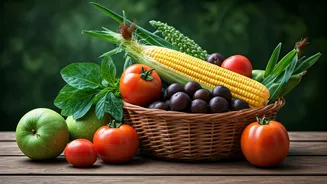
The aroma of roasted corn on the cob, or Bhutta, is synonymous with Indian monsoons. This beloved street food is not just comforting but also a healthy snacking option. Corn is a good source of dietary fibre, which promotes the growth of good gut bacteria and improves digestion—a common concern during this season. It is also rich in antioxidants. When you choose a roasted bhutta seasoned with lemon juice and spices over deep-fried snacks, you're opting for a healthier, fibre-rich treat that provides sustained energy.
Pears and Plums: The Juicy Duo
Often seen in markets as the rains begin, pears (Nashpati) and plums (Aloo Bukhara) are excellent additions to your monsoon fruit basket. Pears are packed with dietary fibre, which is crucial for aiding digestion and preventing constipation. They are also a good source of Vitamin C, bolstering the immune system. Plums are similarly loaded with vitamins and antioxidants that help the body fight off infections. Their sweet and tart flavour makes them a delightful snack that also contributes to your overall well-being during a season when the body is more susceptible to illness.
Ginger and Turmeric: The Spice Super-Roots
While available year-round, the use of ginger and turmeric becomes especially important during the monsoon. These roots are the backbone of many traditional remedies for coughs and colds for a reason. Ayurveda champions them for their warming properties, which help counteract the damp, cool weather. Ginger is a powerful anti-inflammatory agent and aids digestion, while turmeric is renowned for its immunity-boosting and antimicrobial properties. Adding them to your daily tea, milk, or curries is an easy and effective way to strengthen your body's defences against seasonal ailments.
A Note on Preparation
While embracing seasonal foods is key, the monsoon demands extra caution. The high humidity can lead to faster bacterial and fungal growth on produce. It is crucial to wash all fruits and vegetables thoroughly before consumption. Health experts often recommend avoiding raw vegetables and salads from outside sources during this time. Opting for well-cooked, steamed, or grilled preparations is a safer bet to prevent waterborne infections and ensure you get all the benefits of these seasonal wonders without any of the risks.