



The Dawn of the Experience Economy
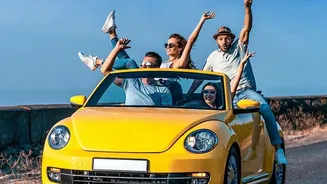
A fundamental change is reshaping the spending habits of India's Millennial and Gen Z populations. Rather than accumulating things, they are increasingly choosing to collect memories. This isn't just a fleeting trend; it's a structural realignment in consumer
behaviour. Reports indicate that a significant majority of young Indians, with some surveys suggesting figures as high as 78%, now prefer to spend their money on an experience rather than a physical product. According to a 2023 Deloitte report, this preference is a global phenomenon among millennials, and it's particularly pronounced in India. Projections show that spending on experiences like travel, recreation, and dining is set to grow at a faster rate than spending on physical goods through 2030, a move accelerated in the post-pandemic world.
From Possessions to Identity on Social Media
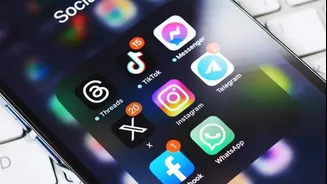
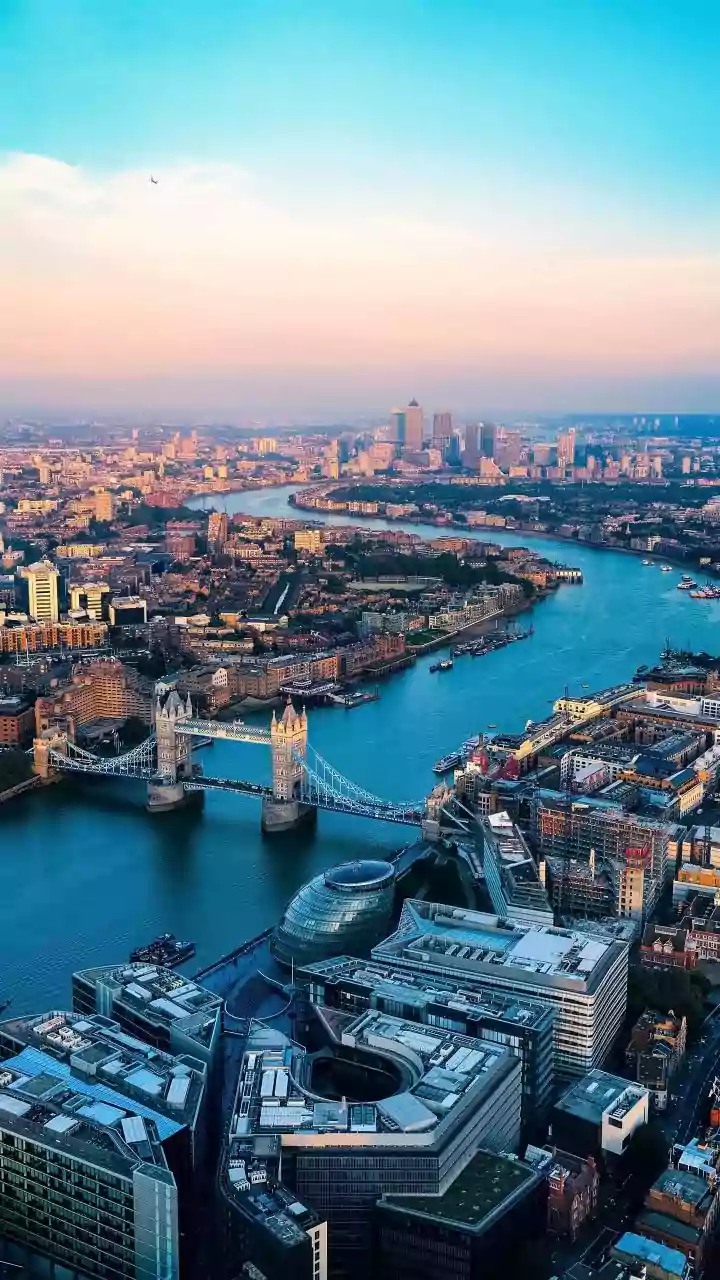
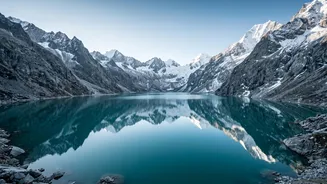
The influence of social media cannot be overstated. Platforms like Instagram and YouTube have become the primary mood boards for a generation's aspirations. Travel has transformed into a form of self-expression and social currency. The visual, shareable nature of a stunning landscape or a unique cultural event often provides more lasting social capital than a new gadget. This digital validation loop creates a powerful incentive; when feeds are filled with friends exploring new destinations, the fear of missing out (FOMO) becomes a potent economic driver. For many, an 'Instagrammable' destination is a key factor in travel planning, as they seek out moments that are not just to be lived, but to be shared. This has led to a surge in spending on travel, with over half of younger travellers admitting that social media directly influences their destination choices.
The Search for Growth and Well-being
Beyond the social media lens, this trend is rooted in a deeper search for personal growth and mental well-being. For many young Indians, experiences are seen as an investment in oneself. Activities like solo trips, wellness retreats, and skill-building workshops are increasingly popular. Travel is no longer just a holiday; it's a way to learn, de-stress, and broaden one's perspective in a world that can feel uncertain. This generation understands that while material possessions can fade or become obsolete, the memories and personal growth gained from experiences can shape their lives and identities in a far more profound way. This shift aligns with a greater emphasis on mental health, with travel becoming a significant way to combat the anxiety and stress of modern life.
Redefining Status and Success
The definition of success is also being rewritten. While older generations may have measured achievement by material wealth, today's youth are crafting a new narrative. Status is becoming less about what you own and more about what you have done. The stories you can tell from a trek in the Himalayas or a food tour through a historic city hold a different, and often greater, value than a luxury brand. This reflects a broader cultural change where identity is increasingly tied to a portfolio of life experiences. Even within the workplace, many in the younger workforce see experiences as liberating, while they view possessions as a potential burden. This mindset is influencing how they budget, with many creating dedicated 'fun funds' to ensure they can afford concerts, trips, and other live events alongside their long-term savings goals.
Economic Drivers Making It Possible
This cultural shift is supported by strong economic and logistical tailwinds. Rising disposable incomes, the growth of low-cost airlines, and the explosion of digital booking platforms have made travel more accessible than ever. Gen Z, born between 1997 and 2012, is already a massive force, directly or indirectly driving nearly half of all consumer spending in key categories like travel and entertainment. The availability of flexible payment options and travel loans further empowers young consumers to act on their wanderlust. This combination of financial accessibility and a desire for personal fulfilment is creating a powerful, self-reinforcing cycle that is cementing the experience economy as a dominant force in India.