

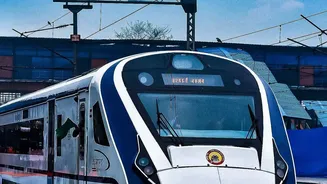
A New Era for an Essential Route
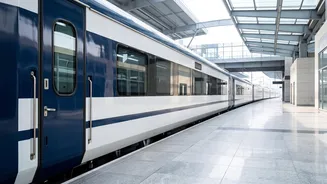
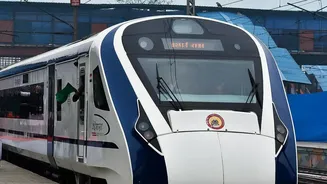
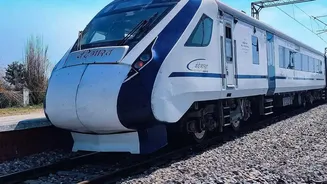
Indian Railways is preparing to launch a Vande Bharat Sleeper Express service connecting two of India's major economic powerhouses, Mumbai and Bengaluru, with a key stop in Pune. This move marks a significant step in modernising long-distance rail travel.
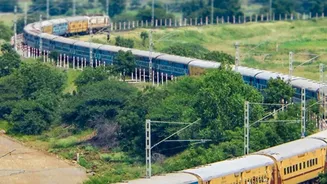
The new service is expected to slash travel time between the two metropolises from over 22 hours to approximately 16 hours, a reduction of up to eight hours. The train will consist of 16 fully air-conditioned coaches, designed to carry 823 passengers across three classes: AC First Class, AC 2-Tier, and AC 3-Tier. The inaugural run for India's second Vande Bharat Sleeper is slated for November 1, 2026, coinciding with Karnataka Rajyotsava. Proposed stops along the route include major stations like Kalaburagi, Solapur, and Pune, enhancing connectivity across Maharashtra, Karnataka, and Andhra Pradesh.
Inside the Modern Sleeper Coach
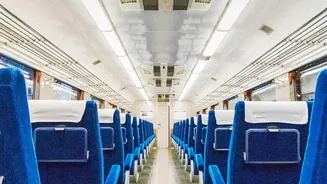
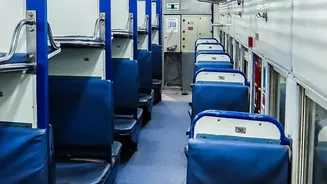
The new Vande Bharat Sleeper trains are designed with passenger comfort as a top priority. The berths are ergonomically designed with wider, better-cushioned surfaces for a more restful sleep. A significant design improvement is the new ladder for accessing upper berths, which is engineered to be more user-friendly. Each berth is equipped with individual charging points, including USB ports, and dedicated reading lights. For added privacy, berths feature curtains. The interiors boast a modern aesthetic with pleasant lighting and quieter cabins due to improved soundproofing. Advanced technology is a key feature, with bio-vacuum toilets for better hygiene, sensor-based taps, and GPS-based passenger information screens displaying the train's speed and upcoming stations. The coaches also feature automatic doors and enhanced air-conditioning systems.
Elevating the Onboard Experience
Beyond the berth, the Vande Bharat Sleeper aims to provide a superior journey from start to finish. Some newer 24-coach designs, planned for future rollouts, will include a fully air-conditioned pantry car to serve fresh, high-quality meals, a significant upgrade from conventional train catering. Mini-pantries are also planned for every coach to support service. For passengers in the premium AC First Class, amenities are expected to be even more luxurious, with some reports mentioning hot showers and more spacious private cabins. Safety is also paramount, with the trainsets built from fire-retardant materials and equipped with CCTV surveillance, remote-controlled fire barriers, and the indigenous Kavach anti-collision system.
A Strategic Move by Indian Railways
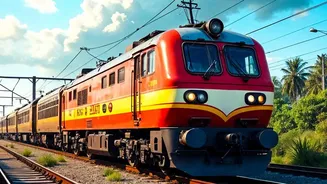
The introduction of Vande Bharat Sleeper trains is part of a broader strategy by Indian Railways to compete with budget airlines and luxury overnight buses, which have become popular choices for travellers on high-demand routes like Mumbai-Bengaluru. By offering a combination of speed, comfort, and modern amenities, the railways aim to win back passengers who prioritize a premium travel experience. This new service is a successor to the highly successful Vande Bharat chair-car trains and represents a dedicated focus on improving overnight journeys. Unlike the Amrit Bharat Express, which is designed for affordable, non-AC mass transit, the Vande Bharat Sleeper targets the premium segment with its fully air-conditioned configuration and flight-like comforts.
Timeline and What to Expect
The Mumbai-Bengaluru Vande Bharat Sleeper is scheduled for its inaugural launch on November 1, 2026, with regular services expected to follow. This will be the second such service in the country, following the successful launch of the Howrah-Kamakhya route in January 2026. The train is expected to operate six days a week. While official fare structures are yet to be finalised by the Railway Board, the service is positioned as a premium offering. The introduction of these trains, manufactured jointly by Integral Coach Factory (ICF) and BEML, represents a major milestone in the 'Make in India' initiative, showcasing domestic engineering and manufacturing capabilities. Passengers can look forward to a significant enhancement in the quality and speed of overnight rail travel between these key Indian cities.