



Double-Proof Your Backpack
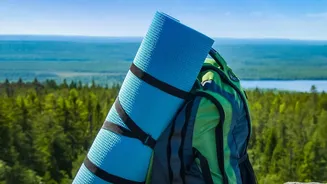
Your first line of defense is protecting your gear. Relying on just a backpack's rain cover isn't enough for the sustained downpours in the Ghats. The most effective strategy is a two-layer system. First, line the inside of your rucksack with a large,
heavy-duty plastic bag or a dedicated pack liner. Pack all your belongings inside this liner. Then, use a snug-fitting rain cover on the outside. This 'inside-out' approach ensures that even if water seeps past the outer cover during a prolonged trek or a slip, your clothes, electronics, and sleeping gear remain completely dry.
Choose Your Outerwear Wisely
The debate between a rain jacket and a poncho is a classic one among trekkers. A good quality, breathable rain jacket with sealed seams is excellent for mobility and windy conditions on exposed ridges. However, a poncho is a versatile and budget-friendly option that offers superior ventilation and has the added benefit of covering both you and your backpack. For many Western Ghats treks, where humidity is high, a poncho's airiness can be more comfortable. Some experienced trekkers even carry both: a lightweight jacket for mobility and a poncho for heavy downpours or for use around the campsite.
Embrace Quick-Dry Clothing
This is a non-negotiable rule for monsoon trekking: leave your cotton clothes at home. Cotton absorbs a huge amount of water, becomes heavy, and takes a very long time to dry, leaving you feeling cold and uncomfortable. Instead, pack clothes made from synthetic, quick-dry fabrics like polyester or nylon. These materials wick moisture away from your skin and dry quickly, even in high humidity. This applies to everything from your t-shirts and trek pants to your underwear and socks. A couple of sets of quick-dry clothes are all you need for a multi-day trek.
Protect Your Electronics and Valuables
Water can ruin phones, cameras, power banks, and important documents. Create a simple but effective waterproofing system using multiple small dry bags or even reliable zip-lock pouches. Keep your phone in a small, transparent waterproof pouch that allows you to use the touchscreen without removing it. For larger items like cameras and power banks, a dedicated dry sack is a worthwhile investment. Always pack a spare set of zip-lock bags; they weigh nothing and can be a lifesaver for organizing wet and dry items or protecting snacks.
The Right Footwear is Crucial
Your feet are your most important asset on a trek, and keeping them happy is paramount. Monsoon trails in the Western Ghats are notoriously muddy, rocky, and slippery. You need footwear with an excellent grip. While waterproof trekking boots offer ankle support and protection, they can become heavy tubs of water if rain gets in from the top. An alternative is to use non-waterproof trekking shoes or sandals with good grip, paired with waterproof or synthetic socks. The logic here is that water will get in, but it will also drain out quickly, and synthetic socks will keep your feet relatively comfortable even when wet. Whatever you choose, avoid casual sports shoes, which lack the necessary grip.
Don't Forget the Small Essentials
A few small items can make a world of difference. Pack a couple of pairs of anti-leech socks, as leeches are common in the forest trails during the monsoon. A headlamp is essential, and it should be waterproof. Carry a small microfibre towel, which dries much faster than a regular one. Trekking poles are highly recommended to provide extra stability on slippery descents. Finally, remember to stay hydrated. Many people forget to drink water in the cool, rainy weather, but you are still exerting yourself and sweating. Carry a water bottle and consider adding electrolytes.