





Why Your Gut Loves Millets
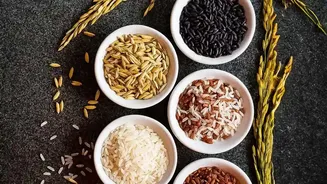
The secret to a happy gut lies in feeding it the right things, and a key ingredient is dietary fiber. Polished white rice, a staple in many Indian households, is stripped of its fiber-rich outer layer, offering mostly simple carbohydrates. This is where
millets step in. Unpolished millets are loaded with fiber, which acts as a prebiotic. Think of prebiotics as a feast for the trillions of good bacteria living in your gut, collectively known as the microbiome. When these beneficial microbes thrive, they improve digestion, reduce inflammation, and even boost your immunity. Millets like foxtail and sorghum contain both soluble fiber, which helps you feel full, and insoluble fiber, which aids regular bowel movements and acts as a natural cleanser for your digestive system.
Get to Know: Foxtail Millet (Kangni/Thinai)
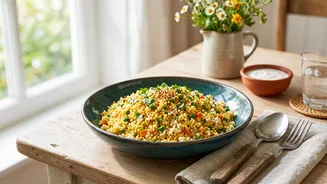
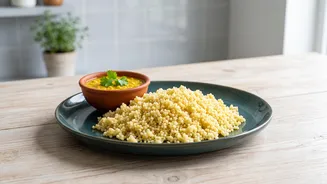
Foxtail millet, known as Kangni in Hindi and Thinai in Tamil, is a small, yellow-hued grain that is one of the easiest and most effective rice replacements. Nutritionally, it’s a giant compared to white rice. It contains nearly double the protein and significantly more fiber, around 8 grams per 100g compared to less than 1 gram in polished rice. This high fiber content, along with its low glycemic index, helps in slowing down sugar absorption, making it an excellent choice for blood sugar management. Its prebiotic properties directly nourish beneficial gut bacteria like Lactobacillus and Bifidobacterium, promoting a balanced and healthy digestive environment.
Get to Know: Sorghum (Jowar)
Sorghum, or Jowar, is a robust, round grain that has been a staple in many parts of India for centuries, especially in the form of rotis. But cooked whole, it serves as a wonderfully chewy and nutritious alternative to rice. Jowar is naturally gluten-free and packed with about 7 grams of fiber per 100g. What makes it special for the microbiome are its rich reserves of phenolic compounds and resistant starch. These compounds bypass digestion in the small intestine and travel to the colon, where they are fermented by gut bacteria. This process not only feeds the good microbes but also produces beneficial compounds like butyrate, which helps heal the gut lining and reduce inflammation.
Your Simple Millet-for-Rice Hacks
Making the switch can feel daunting, but it’s easy with these simple hacks: 1. Soak, Soak, Soak: This is a non-negotiable step. For foxtail millet, a quick soak of 20-30 minutes is enough to ensure a fluffy texture. Sorghum is a harder grain and requires a much longer soak of at least 8-12 hours, or overnight. This step is crucial for reducing cooking time and improving digestibility. 2. Get the Water Ratio Right: To cook foxtail millet like rice, use a 1:2 ratio of millet to water (one cup of millet to two cups of water). For a softer consistency, you can go up to 2.5 cups of water. For sorghum, pressure cooking is the most efficient method. Use a ratio of 1:2.5 or 1:3 (sorghum to water) and cook for 4-5 whistles. 3. Start with Familiar Dishes: Don't try to change your entire menu overnight. Start by swapping rice with foxtail millet in dishes you already love, like pulao, lemon rice, curd rice, or khichdi. The texture is similar enough that the transition will feel seamless. 4. Choose Unpolished Always: The magic of millets is in their bran. Polished millets have had this nutritious layer stripped away, losing a huge percentage of their fiber and minerals. Always look for unpolished or whole-grain millets to get the maximum gut health benefits.
Making a Gradual Transition
If your system isn't accustomed to a high-fiber diet, introducing a large amount of millet suddenly might cause temporary discomfort or bloating. The best approach is to start slow. Begin by replacing rice with millets for one meal, three or four times a week. Let your digestive system adapt. You can even start by mixing half rice and half millet in the same dish. As your body gets used to the increased fiber, you'll start to notice the benefits of improved digestion, sustained energy levels, and feeling lighter after meals. This small change in your grain choice is a powerful step towards long-term gut health and overall wellness.