








A Treasure of Nigerian Weaving
Akwete cloth is a traditional handwoven textile created by the Igbo people of Akwete, a town in Abia State, Nigeria. This is not just fabric; it's a form of visual expression, a historical document, and a testament to the ingenuity of its creators. Historically
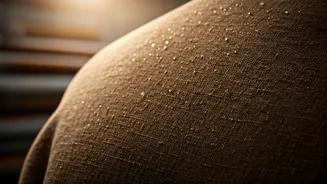
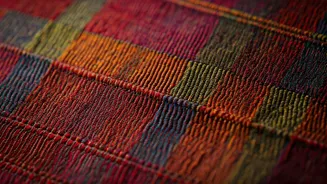
woven by women on wide vertical looms, Akwete is known for its intricate designs, vivid colours, and the sheer variety of its patterns. While traditional versions used locally sourced materials like cotton, sisal, and raffia, contemporary weavers also incorporate modern yarns like rayon and silk, creating textiles that are both deeply traditional and globally relevant. The result is a sturdy, versatile cloth used for everything from ceremonial wrappers and clothing to modern interior decor.
A Legacy Woven by Women
The story of Akwete weaving is a story of female artistry and entrepreneurship. The tradition is passed down from mothers to daughters, with girls often learning the craft as soon as their arms are long enough to work the loom. According to local history, the craft was revolutionised in the 19th century by a legendary weaver named Dada Nwakwata. Inspired by textiles brought to the region through trade, she began to innovate, deconstructing existing fabrics and creating a new vocabulary of complex patterns that are still used today. This tradition of innovation continues, with weavers claiming to know over a hundred distinct motifs. Remarkably, the creator of a new pattern is often granted an unwritten copyright, with some designs believed to be gifts of divine inspiration.
The Language of the Loom
Every pattern on an Akwete cloth tells a story. These motifs are not merely decorative; they are a symbolic language communicating social status, historical events, and cultural beliefs. Perhaps the most famous motif is the 'ikaki' or tortoise pattern. Historically, this design was reserved exclusively for royalty, symbolising wisdom, and chieftaincy. To wear it without noble standing could lead to severe punishment. Another significant design, the 'ebe' motif, was believed to serve as a talisman, offering protection to warriors in battle or to expectant mothers. From geometric shapes to representations of animals and ceremonial objects, each pattern is a thread connecting the wearer to a deep well of Igbo cultural heritage.
From Traditional Wraps to Global Runways
While deeply rooted in tradition, Akwete cloth is anything but a relic. Today, it is experiencing a renaissance, embraced by a new generation of Nigerian and international designers. Fashion houses like Emmy Kasbit, founded by Emmanuel Okoro, have brought the textile to global prominence. A jacket made by the brand was famously worn by former British Prime Minister Theresa May during a visit to Nigeria in 2018, placing Akwete firmly on the world's fashion stage. Celebrated author Chimamanda Ngozi Adichie has also championed the fabric. Designers are drawn to its durability and texture, using it to create everything from structured suits and architectural gowns to chic trousers and jackets, proving its incredible versatility.