




The Rhythm We Forgot
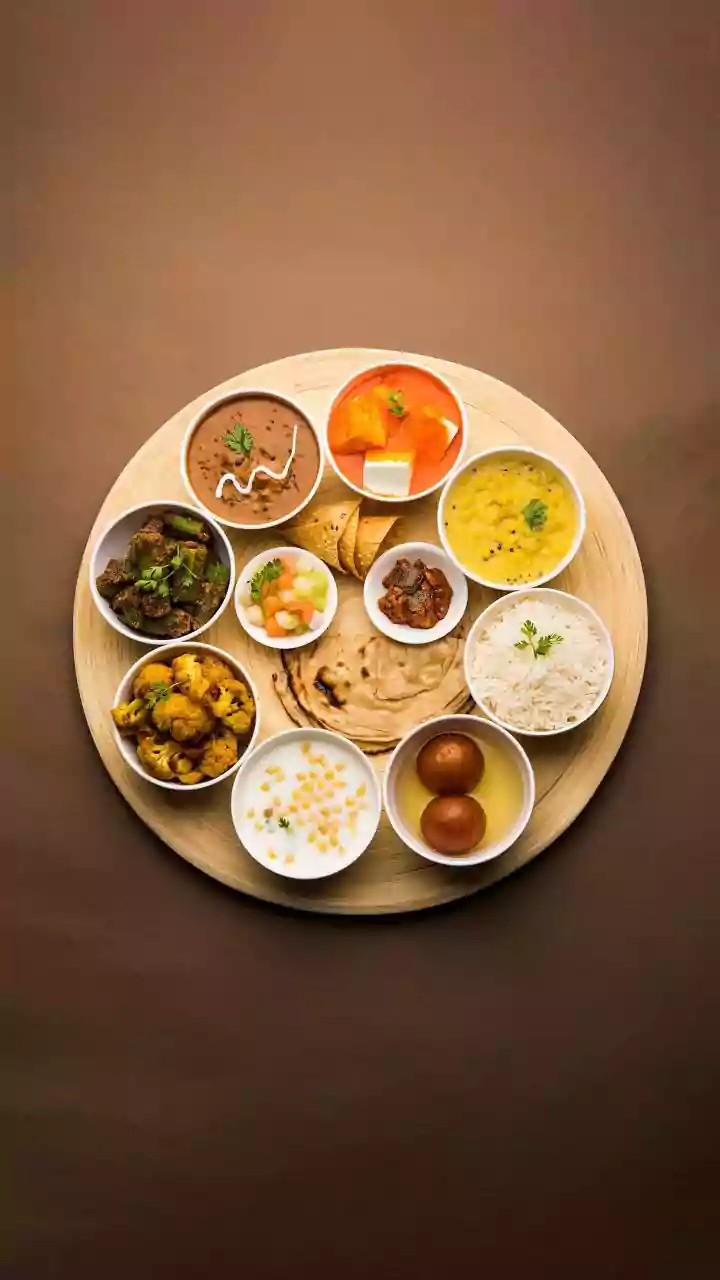
Remember the collective sigh of relief when the first summer mangoes arrived? Or the comforting aroma of gajar ka halwa wafting from kitchens only when a winter chill was in the air? For generations, life in India moved to a distinct culinary beat, dictated
by the seasons. This wasn't just about what was available; it was a shared cultural calendar written in flavours and aromas. Modern life, with its 24/7 supermarkets and global supply chains, has offered us convenience at a steep price: the loss of this rhythm. We can have strawberries in December and cauliflower in June, but in gaining everything, we’ve lost the specialness of anything. This abundance has flattened our experience of food, turning it from a seasonal event into a constant, monotonous hum. We’ve forgotten the simple, profound joy of anticipation and the collective celebration that comes with it.
Food as a Community Project
Traditionally, seasonal eating was rarely a solo act. It was a community project. The annual ritual of making pickles is a perfect example. Aunts, mothers, and neighbours would gather on sun-drenched terraces, surrounded by mountains of raw mangoes, spices, and jars. It was a hive of activity filled with chatter, gossip, and the passing down of secret family recipes. The resulting achar wasn't just a condiment; it was a jar of preserved sunshine and shared labour, distributed among households to be enjoyed for months. Similarly, preparing for festivals like Diwali or Pongal involved entire families and neighbourhoods coming together to make sweets and savouries specific to that time of year. These activities weren't chores; they were vital social rituals that strengthened bonds and wove the fabric of community. The food was the medium, but the message was togetherness.
The Joy of Shared Anticipation
One of the most potent ingredients we’ve lost is anticipation. When food is always available, there's nothing to look forward to. The specific, almost frantic excitement for the first hilsa of the monsoon, the tender green peas of winter, or the brief appearance of jamun is a powerful, unifying experience. It gives people a common topic of conversation, a shared milestone in their year. This collective desire creates a sense of belonging. You are part of a group that understands, without words, why this particular food at this particular time matters so much. It connects you to your neighbours, your city, and your cultural heritage. In a world where our digital feeds are hyper-individualised, this shared, real-world excitement feels like a radical act of connection.
Finding the Shareable in Modern Life
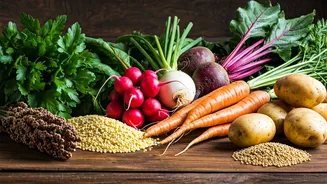
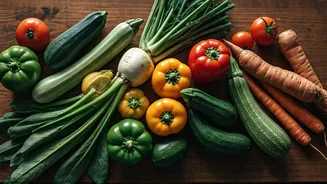
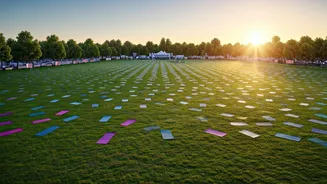
So, how do we bring this shareable magic back into our fragmented modern lives? The good news is, it’s already happening. The resurgence of farmers' markets is a testament to this desire. A weekend trip to the market is becoming a family outing, a place to connect with the people who grow our food and see what’s truly in season. We see it in the rise of community-supported agriculture (CSA) boxes, where neighbours share in the bounty of a local farm. It’s also happening online, but in a more meaningful way. Instead of just posting a picture of a meal, people are sharing their family’s seasonal recipes, reviving forgotten traditions, and organising potlucks centred around a seasonal ingredient. It’s about consciously choosing to participate in the food cycle again, not as a passive consumer, but as an active member of a food community.