





The Rishikesh Phenomenon
Rishikesh has long been a magnet for spiritual seekers and yoga enthusiasts. In recent years, however, a new kind of pilgrim has arrived: the digital nomad. Armed with laptops and smartphones, these remote workers are drawn to the town's unique blend
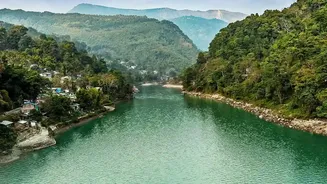
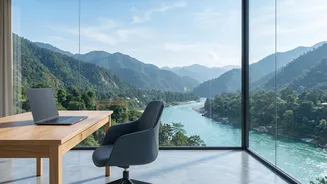
of natural beauty, affordable living, and wellness culture. Unlike the bustling tech hubs of Bengaluru or Gurugram, Rishikesh offers a slower pace. The town's infrastructure has evolved to support this new demographic, with numerous cafes and even dedicated coworking spaces providing reliable internet connectivity against a backdrop of Himalayan foothills and the sacred Ganga. This environment fosters a community of creators, developers, and entrepreneurs who are not just building businesses, but are actively seeking a more integrated and mindful approach to work and life.
The Science of a Flowing River
The constant, gentle sound of the river is more than just a pleasant backdrop; it’s a powerful tool for focus. This phenomenon is explained by the concept of auditory masking, where a consistent, low-level sound, like flowing water, can drown out distracting, intermittent noises like traffic or chatter. Research shows that nature sounds are particularly effective, leading to better performance on cognitive tasks compared to typical office noise or even silence. This ties into the 'biophilia hypothesis,' which suggests humans have an innate tendency to connect with nature. Exposure to natural elements reduces stress, lowers cortisol levels, and calms the nervous system, creating an ideal state for deep work and creative thought. The sound of a river, unlike a catchy song or a podcast, engages the brain just enough to prevent mind-wandering without demanding active attention.
Beyond Sound: The 'Blue Space' Effect
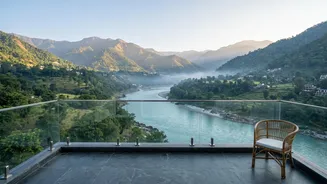
The benefits of being near the Ganga extend beyond its soundscape. The concept of “blue space”—referring to visible bodies of water like rivers, lakes, and oceans—is linked to significant mental health benefits. Studies have shown that both seeing and hearing water can reduce stress, improve mood, and enhance overall well-being. The sight of the flowing river provides what researchers call “soft fascination,” a type of effortless attention that helps restore the mind from the mental fatigue caused by directed focus on screens and tasks. This visual and auditory connection to the water helps the brain enter a 'flow state', a condition of deep focus and immersion that is highly conducive to productivity and creativity. In Rishikesh, creators can find this state not just during a planned meditation, but throughout their workday.
A Culture of Conscious Productivity
The environment in Rishikesh cultivates a different kind of productivity. The town’s rhythm is built around wellness practices—morning yoga, meditation sessions, and healthy, sattvic food are readily available. This emphasis on well-being over the hustle-at-all-costs mentality of many urban centres helps prevent burnout. For digital creators, whose work can often be isolating and mentally taxing, this is a significant advantage. The ability to close a laptop and immediately step into a yoga class, hike to a waterfall, or attend an evening Ganga Aarti ceremony provides a powerful way to disconnect and recharge. This work-life integration allows for a more sustainable and inspired creative process, where focus is not forced through sheer willpower but nurtured by a supportive and calming environment.