




The Magic of Coconut Milk
Coconut milk is a plant-based powerhouse that transforms simple ingredients into a rich, satisfying meal. Its high fat content provides a luscious, creamy texture that many vegetarian dishes lack, creating a sense of indulgence without any dairy. More
importantly, that fat is a fantastic carrier for flavour. Spices, herbs, and aromatics bloom and deepen in a coconut sauce, allowing their complex notes to meld together beautifully. From the fiery heat of a Thai curry to the fragrant warmth of a South Indian stew, coconut milk provides the perfect canvas for a world of tastes. Its subtle, nutty sweetness also balances the earthiness of vegetables and legumes, creating a harmonious and deeply flavourful final dish.
Building a Flavourful Foundation
A great coconut sauce starts long before you open the can. The foundation of any memorable sauce is its aromatics. Start by gently heating a neutral oil or coconut oil in your pot. Sautéing a base of finely chopped onion, minced garlic, and grated fresh ginger is the classic first step that builds a deep, savoury base. This is also the time to 'bloom' your dry spices. Adding ground spices like cumin, coriander, and turmeric to the hot oil with the aromatics for about a minute before adding any liquid unlocks their essential oils and intensifies their flavour, preventing a raw, dusty taste in the final sauce.
Exploring Global Sauce Profiles
Once you have your aromatic base, you can take your sauce in several delicious directions. For a Thai-inspired flavour, add a tablespoon or two of red or green curry paste and sauté it for another minute. Finish the sauce with a splash of soy sauce and a squeeze of fresh lime juice at the end. For a South Indian approach, think warming spices. Along with your base aromatics, add cumin, turmeric, and perhaps garam masala. Many recipes in this style also incorporate tomatoes and curry leaves for extra depth. For a Caribbean feel, focus on allspice and a hint of chilli, often balanced with the sweetness of sweet potatoes or pumpkin in the pot.
Cooking Tips for Creamy Perfection
The key to a silky, uniform coconut sauce is managing heat. Adding cold coconut milk directly to a very hot pot can cause it to 'split' or curdle as the fats and liquids separate. For best results, use room-temperature coconut milk and add it after lowering the heat. Bring the sauce to a gentle simmer, but avoid a rapid, rolling boil, which can also cause separation. If your sauce does split, you can often fix it by making a slurry with a tablespoon of cornstarch and a little water, then whisking it into the sauce over low heat until it comes back together. Finally, always add acidic ingredients like lemon or lime juice at the very end of cooking, as acid can also cause the milk to curdle when heated.
Smart Pairings and Finishing Touches
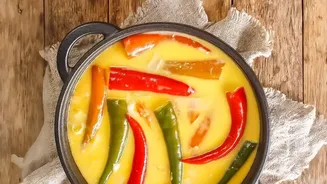
Coconut sauces are incredibly versatile and pair well with a wide range of vegetables and plant-based proteins. Hearty vegetables like sweet potatoes, cauliflower, carrots, and pumpkin are excellent choices as they hold their shape during simmering. Legumes like chickpeas and lentils are also fantastic additions, making the meal more filling and protein-rich. Add quicker-cooking vegetables like bell peppers, spinach, or broccoli in the last few minutes of cooking to keep them tender-crisp. To elevate your finished dish, stir in fresh herbs like cilantro or basil right before serving. A final squeeze of lime juice brightens all the flavours, and a sprinkle of toasted nuts or seeds adds a welcome crunch.