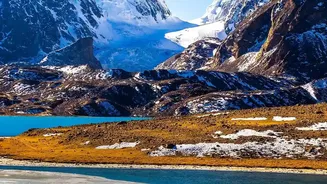

Lake Baikal, Siberia: The Soul of Winter
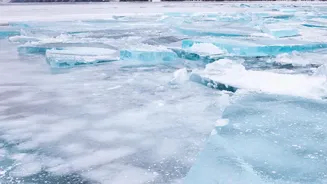
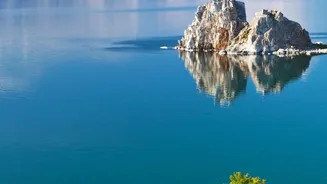
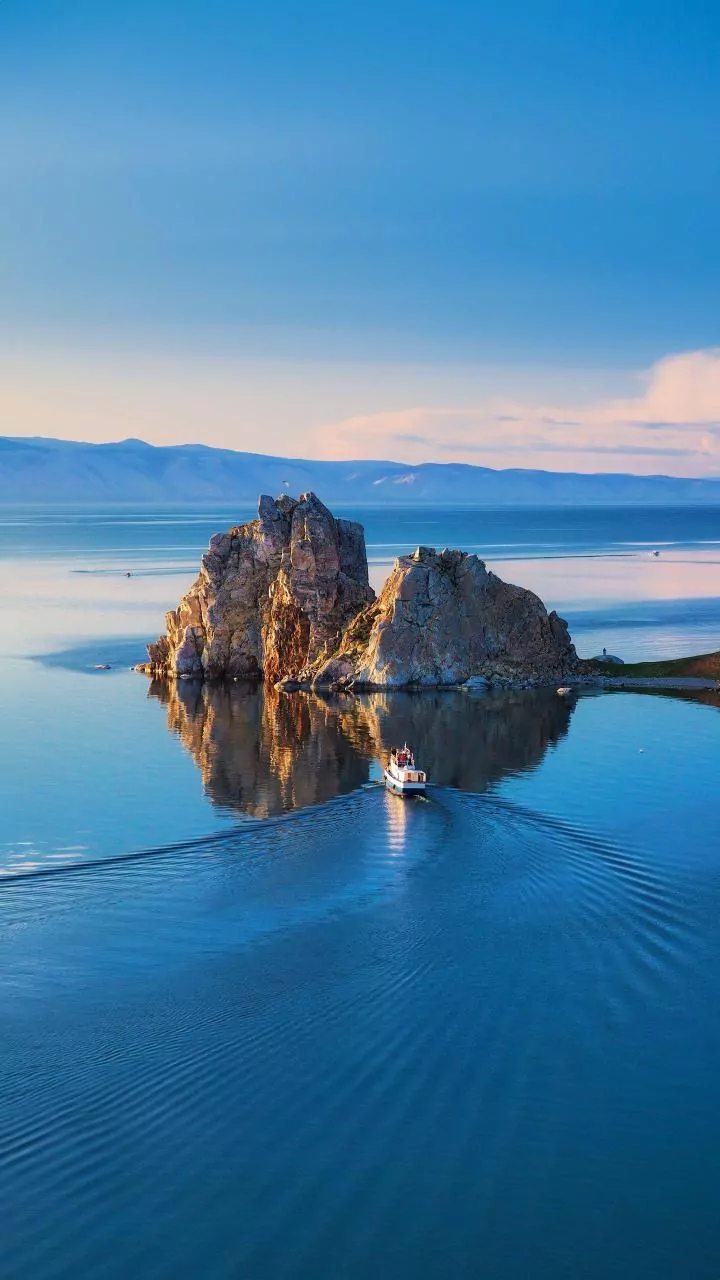
As the world's oldest and deepest lake, Russia's Lake Baikal holds about 20% of the world's fresh surface water. This incredible volume and its remarkable purity are the secrets behind its famous winter coat. When the lake freezes over from January to
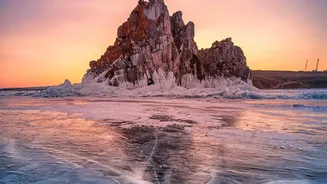
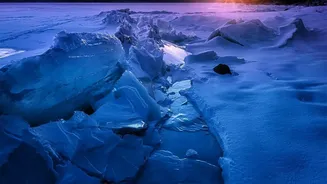
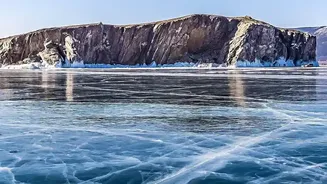
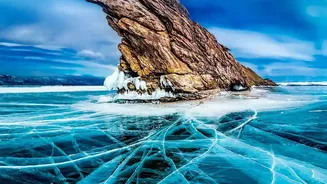
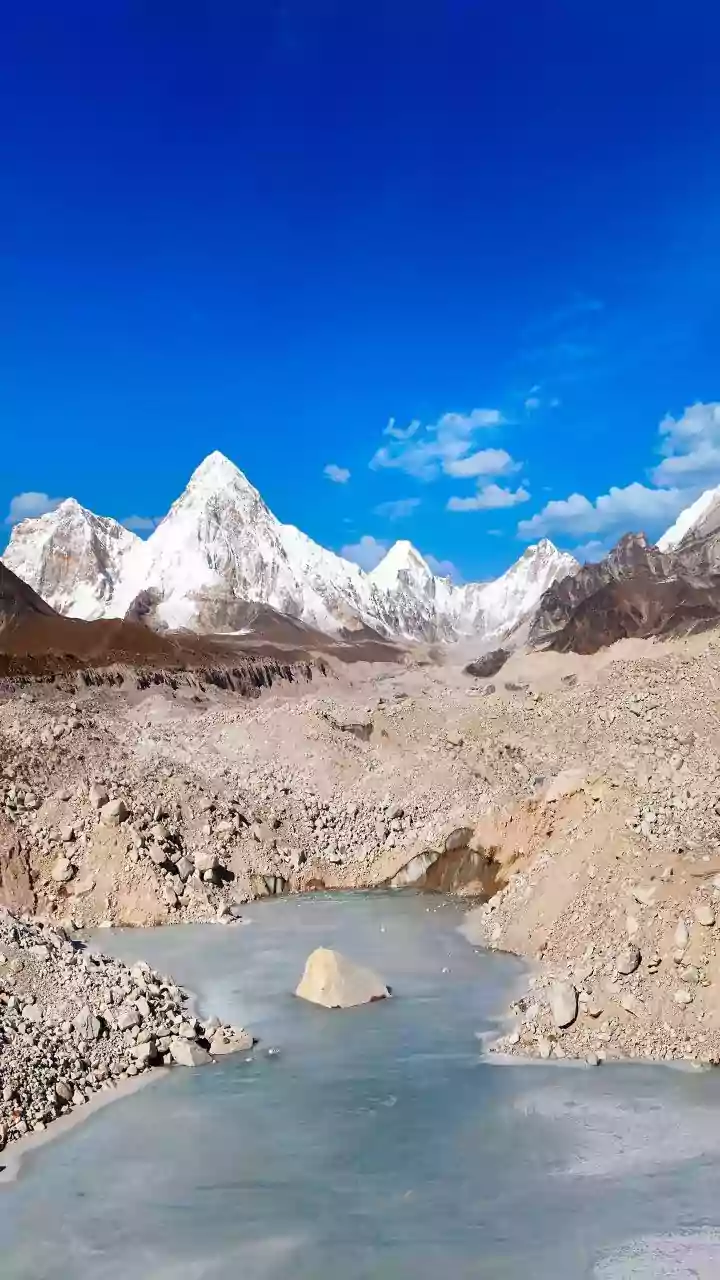
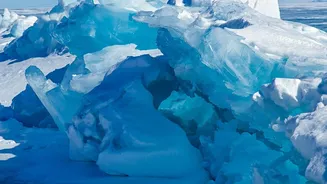
May, the ice can become so transparent it's like walking on glass, offering views deep into the water below. This clarity is due to the water's low mineral and pollutant content, which allows for the formation of vast, smooth ice sheets. Strong winds sweep snow off the surface, polishing the ice to a mirror finish. In some areas, the compression of the ice creates a phenomenon known as 'blue ice', which glows with a turquoise hue. The ice can grow to over a meter thick, strong enough to support vehicles, though temperature fluctuations cause massive cracks to form with a sound like an artillery shot.
Abraham Lake, Canada: A Bubbling Spectacle
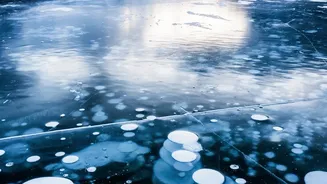
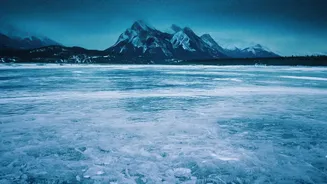
In Alberta, Canada, the man-made Abraham Lake puts on a different kind of show. It's famous for its stacks of frozen bubbles trapped beneath the ice, creating an otherworldly visual. These are not air bubbles but spheres of methane gas. The gas is released by bacteria on the lakebed as they decompose organic matter, like dead plants and trees from when the valley was originally flooded. As the methane rises, it gets trapped in successive layers as the lake freezes from the top down, forming vertical columns of white discs. Strong, consistent winds in the area play a crucial role, sweeping the ice clear of snow and polishing the surface, which makes viewing the bubbles possible. The best time to see this phenomenon is typically from mid-January to early February, when the ice is thick and clear.
Jökulsárlón, Iceland: A Glacial Dance
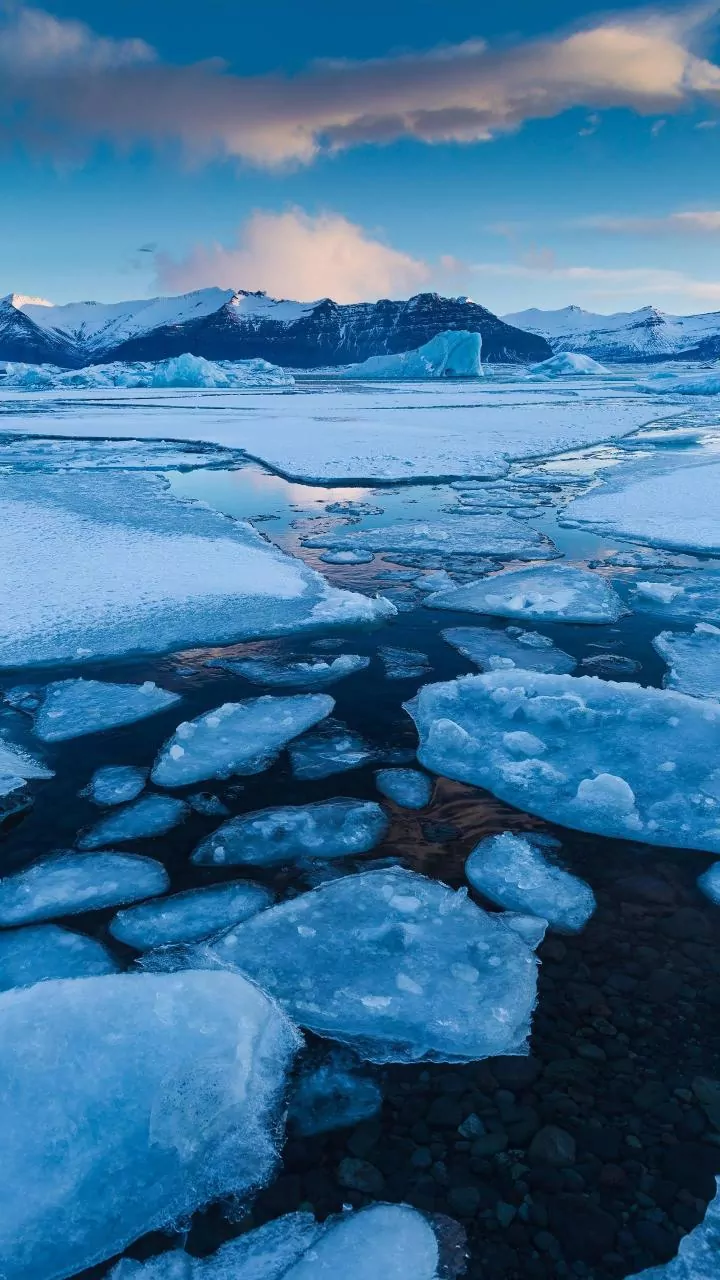
Iceland's Jökulsárlón is not a lake that freezes over completely but a glacial lagoon where ice is the main attraction year-round. It formed as the Breiðamerkurjökull glacier began retreating, and it continues to grow. The lagoon is filled with massive icebergs that have broken off from the glacier, some over 1,000 years old. These icebergs float in the lagoon, a mix of freshwater and seawater, which gives the water a unique blue-green color. They come in shades of white, brilliant blue, and even black, streaked with volcanic ash from ancient eruptions. Eventually, the icebergs drift out to the Atlantic and wash ashore on a nearby black sand beach, which has been nicknamed 'Diamond Beach' because the glistening ice chunks resemble diamonds scattered on the dark sand.
Lake Superior, USA: The Ice Caves
Along the shores of Lake Superior in Wisconsin, the Apostle Islands National Lakeshore hosts a rare and spectacular winter event. During summer, these are sea caves carved into sandstone cliffs by wave action. But in winters cold enough for the lake to freeze solidly near the shore, they transform into magnificent ice caves. Water seeping through the rock and waves splashing against the cliffs freeze into massive curtains and pillars of ice, creating dazzling formations and icicles. The accessibility of these caves is entirely dependent on weather conditions, as the ice must be thick and stable enough for people to walk on. In some years, the caves are inaccessible, making a visit a rare and coveted experience for winter adventurers.
Grüner See, Austria: The Underwater Park
Grüner See, or 'Green Lake', in Austria offers a completely different kind of submerged wonder. For much of the year, this area is a dry park with hiking trails, benches, and bridges. However, in late spring and early summer, snowmelt from the surrounding Hochschwab Mountains floods the basin. The crystal-clear water submerges the entire park, with depths reaching up to 12 meters. This creates a surreal underwater world where grass and flowers are visible on the lake floor, and paths and benches can be seen beneath the surface. The lake gets its name from the vibrant emerald-green color of the water, a result of the submerged foliage. Although diving is now prohibited to protect the fragile ecosystem, the sight of a park underwater remains a truly unique natural spectacle.