






The Great Thirst Quenched
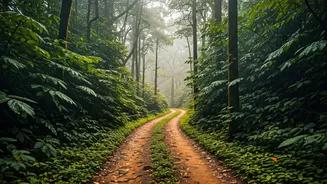
The first downpour is more than just rain; it's an alarm clock for an entire ecosystem. For months, the forest floor has been a crunchy carpet of dry leaves. But as the water seeps in, a deep, earthy fragrance known as petrichor fills the air, a scent
that signals renewal. This initial soak is critical. It softens the hard ground, allowing dormant seeds to finally sprout and waking up the vast network of roots that lie in wait. The parched riverbeds and streams, silent for so long, begin to murmur and then swell, their rushing waters carrying life back into the heart of the jungle. It’s a dramatic, almost instantaneous shift from muted browns and yellows to the promise of vibrant green.
A Symphony in Green
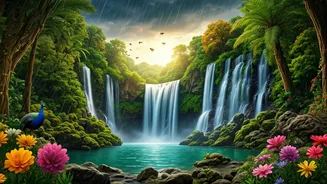
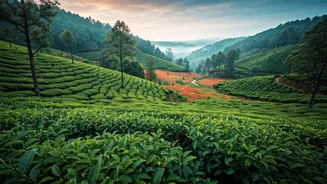
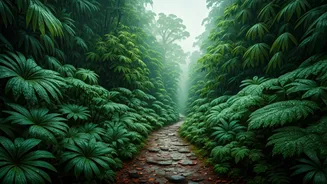
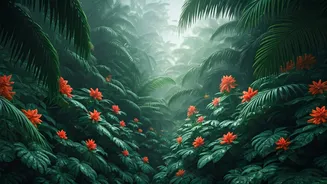
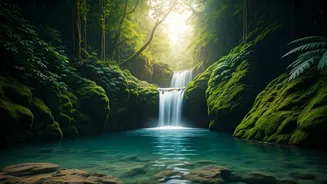
Within days, the landscape is unrecognisable. A fresh, tender green carpet of new vegetation covers the forest floor. Ferns unfurl their delicate fronds, and mosses drape themselves over rocks and tree trunks, glowing like emeralds in the filtered light. This is also the season for a spectacular floral show. In the Western Ghats, you might find the fiery red of the spider lily or the unique beauty of wild turmeric flowers. The famous Valley of Flowers in Uttarakhand becomes a literal blanket of colour, with over a hundred varieties of wildflowers bursting into bloom from July to October. This explosion of plant life isn't just beautiful; it’s the foundation of the forest’s renewed food chain, providing sustenance for the creatures that are also beginning to stir.
The Secret World of Creatures
The monsoon is a boom time for the forest’s smaller inhabitants. The steady rain fills ephemeral pools, creating perfect breeding grounds for amphibians. The night air, once quiet, now echoes with a vibrant chorus of croaking frogs. Snails, including the giant African snail, emerge from their hiding places to feast on the lush vegetation. This is the season of insects; colourful beetles, moths, and the drone of cicadas become the forest's soundtrack. On the forest floor, a fascinating and sometimes eerie phenomenon occurs: bioluminescent fungi on rotting wood begin to glow, creating ghostly patches of green and blue light in the darkness, turning a night walk into a mythical experience.
A Feast for Birds and Beasts
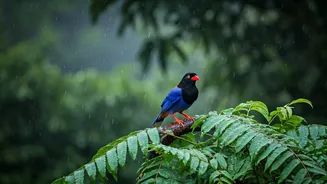
This abundance of plant and insect life means a feast for larger animals. Many bird species, like cuckoos and barbets, time their nesting just before the monsoon, ensuring their chicks hatch when food is plentiful. The revitalised greenery provides excellent cover for herbivores like deer and elephants, which can be seen enjoying the fresh foliage. In places like Periyar, Kabini, and Nagarhole National Parks, boat safaris offer a unique vantage point to see herds of elephants revelling near the water's edge. Predators like leopards and tigers are also on the move, following their prey through the dense, rain-soaked undergrowth. The entire forest hums with an energy that is palpable, a carnival of life in full swing.
Where to Witness the Magic
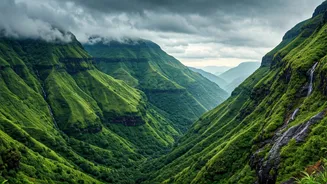
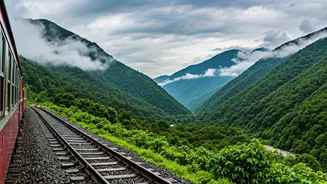
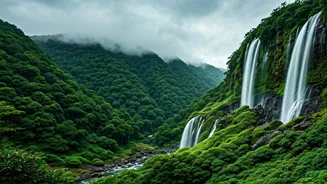
Experiencing this transformation is a must for any nature lover. The Western Ghats, stretching through states like Kerala, Karnataka, and Maharashtra, are legendary for their monsoon beauty. Places like Agumbe, known as the 'Cherrapunji of the South', become a haven for reptile and amphibian life amid dense rainforests and cascading waterfalls. In central India, parks like Pench and Satpura offer a different, yet equally stunning, monsoon experience, with parts of the parks remaining open for safaris. For trekkers, the season opens up breathtaking trails in the Himalayas, like the Valley of Flowers, or challenging climbs through the misty hills of the Sahyadris, such as the Sinhagad Fort trek near Pune.