








The Foundation: Build Your Shield Before the Rain
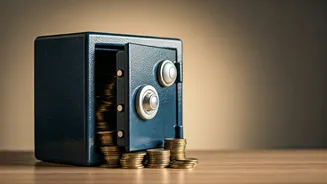
The single most important difference between a manageable emergency and a life-altering crisis is preparation. This starts and ends with an emergency fund. Think of it as a financial fire extinguisher. You hope you never need it, but you'll be incredibly
grateful it's there if you do. The standard advice is to save three to six months' worth of essential living expenses. Essential expenses include your rent or EMI, utility bills, groceries, transport, and insurance premiums—not your Swiggy orders or streaming subscriptions. Start small if you have to. Even ₹5,000 is better than zero. Automate a transfer to a separate account every month, right after you get your salary. The key is to keep this fund liquid, meaning you can access it quickly without penalty. A high-yield savings account, a short-term fixed deposit (FD), or a liquid mutual fund are all excellent options. Don't park this money in the stock market, as you may be forced to sell at a loss during a downturn.
When the Storm Hits: Triage and Prioritise
When a financial shock occurs, the first instinct is often to panic. Don't. Your first move is to stay calm and assess the situation objectively. How much money do you need, and how urgently? Is this a one-time expense or an ongoing income loss? Once you have clarity, it's time for financial triage. Immediately access your emergency fund—that's what it's for. Resist the urge to use a credit card or take a high-interest personal loan unless absolutely necessary. Tapping into your savings first prevents you from digging a deeper hole of debt. Next, ruthlessly cut all non-essential spending. This is the time for needs, not wants. Go through your bank statements and identify every discretionary expense that can be paused or eliminated. This creates breathing room and makes your emergency fund last longer. The goal during the emergency is simple: stop the bleeding and stabilise your financial vitals.
Navigating the Situation: Communicate and Negotiate
Silence is your enemy during a financial crunch. If you foresee difficulty in paying an EMI, a credit card bill, or even your rent, communicate proactively. Banks and landlords are often more willing to work with you if you are upfront about your situation. They may be able to offer a temporary moratorium, a revised payment plan, or waive late fees. Ignoring their calls and messages will only lead to penalties, a damaged credit score, and increased stress. Similarly, review all your subscriptions and recurring payments. Pausing them for a few months can free up a surprising amount of cash. Most importantly, avoid making irreversible financial decisions out of fear. Cashing out your long-term investments like your PPF or equity mutual funds should be an absolute last resort. These are meant for long-term goals like retirement, and liquidating them prematurely can have severe consequences for your future financial security.
The Recovery Playbook: Rebuild and Replenish
Once the immediate emergency has passed, your work isn't over. The most critical, and often forgotten, step is to rebuild. Your top financial priority should now be to replenish your emergency fund. Re-direct all the money you were channelling towards the emergency back into your savings until your fund is back to its three-to-six-month target. If you had to take on debt, create a concrete repayment plan. Focus on paying off high-interest debt, like credit card balances, first. This process might take months or even a year, but it's essential for regaining your financial footing. Without this step, you'll be just as vulnerable when the next emergency strikes. Don't let a sense of relief lead to complacency. The discipline you showed during the crisis is the same discipline you need to recover from it.
Fortify Your Defences for the Future
Use the experience as a powerful lesson. A financial emergency exposes the weak points in your financial plan. Was your emergency fund too small? Was your budget not realistic? Now is the time to fortify your defences. Review your insurance coverage. A robust health insurance policy is non-negotiable in India, as a single hospitalisation can wipe out years of savings. Similarly, evaluate if you have adequate life and critical illness cover. Revisit your budget with a new perspective, building in a regular savings component for your emergency fund and other long-term goals. By treating a financial emergency not as a one-off disaster but as a stress test for your financial system, you can make adjustments that will leave you stronger and more resilient for whatever life throws at you next.