



The Ancient Spiritual Quest
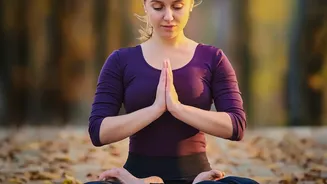
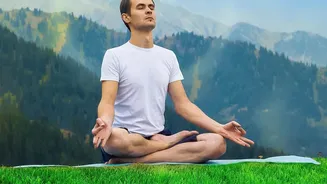
The origins of practices like yoga and meditation are deeply rooted in ancient India, stretching back thousands of years. The earliest mentions can be found in sacred texts like the Vedas. Here, yoga was not about perfecting a physical posture for a photo
but was part of a profound spiritual discipline. It was a holistic system involving ethical principles, physical postures (asanas), breath control (pranayama), and deep meditation (dhyana), all designed to unite the mind, body, and spirit and achieve a state of enlightenment, or self-realization. These practices were traditionally passed down orally from guru to disciple, preserved as a sacred science for inner transformation.
First Wave to the West
The first significant introduction of these philosophies to the Western world came not through a fitness guru, but a monk in orange robes. In 1893, Swami Vivekananda addressed the Parliament of World's Religions in Chicago, presenting Hindu philosophy and yoga as a universal path of tolerance and self-awareness. His powerful speech captivated the audience and sparked a new interest in Indian spirituality. Following him, other influential teachers like Paramahansa Yogananda arrived in the 1920s, founding organizations like the Self-Realization Fellowship and teaching Kriya Yoga to receptive Western audiences. These early pioneers presented yoga primarily as a spiritual and meditative path, a way to experience God and inner peace.
The Counter-Culture Embrace
By the 1960s, a new generation in the West was looking for alternatives to mainstream materialism and conformity. The counter-culture movement found a powerful allure in Eastern spirituality. This interest was famously amplified when The Beatles travelled to Rishikesh, India, in 1968 to study Transcendental Meditation with Maharishi Mahesh Yogi. Their highly publicised trip made meditation a household topic and helped cement the image of India as the global capital of spiritual seeking. During this era, yoga and meditation were seen as tools for expanding consciousness and finding a deeper meaning in life, a clear departure from the structured religions of the West.
The Shift to Science and Asana
The late 20th century marked a pivotal shift. Gurus like B.K.S. Iyengar played a crucial role in transforming modern yoga. Through his meticulous focus on precise physical alignment and the use of props like blocks and belts, Iyengar made the physical postures (asanas) more accessible and safer for Western bodies. His 1966 book 'Light on Yoga' became known as the 'bible of modern yoga', codifying hundreds of poses and emphasizing their therapeutic benefits. Simultaneously, the medical community began to take notice. In the 1970s, Jon Kabat-Zinn developed the Mindfulness-Based Stress Reduction (MBSR) program at the University of Massachusetts Medical School. This secular, eight-week program used meditation to help patients with stress, pain, and anxiety, providing a bridge between ancient practice and modern science and leading to thousands of studies validating its benefits.
The Rise of a Wellness Empire
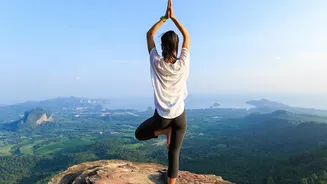
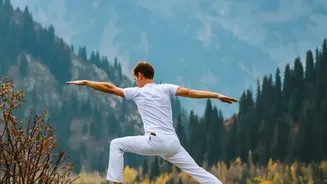
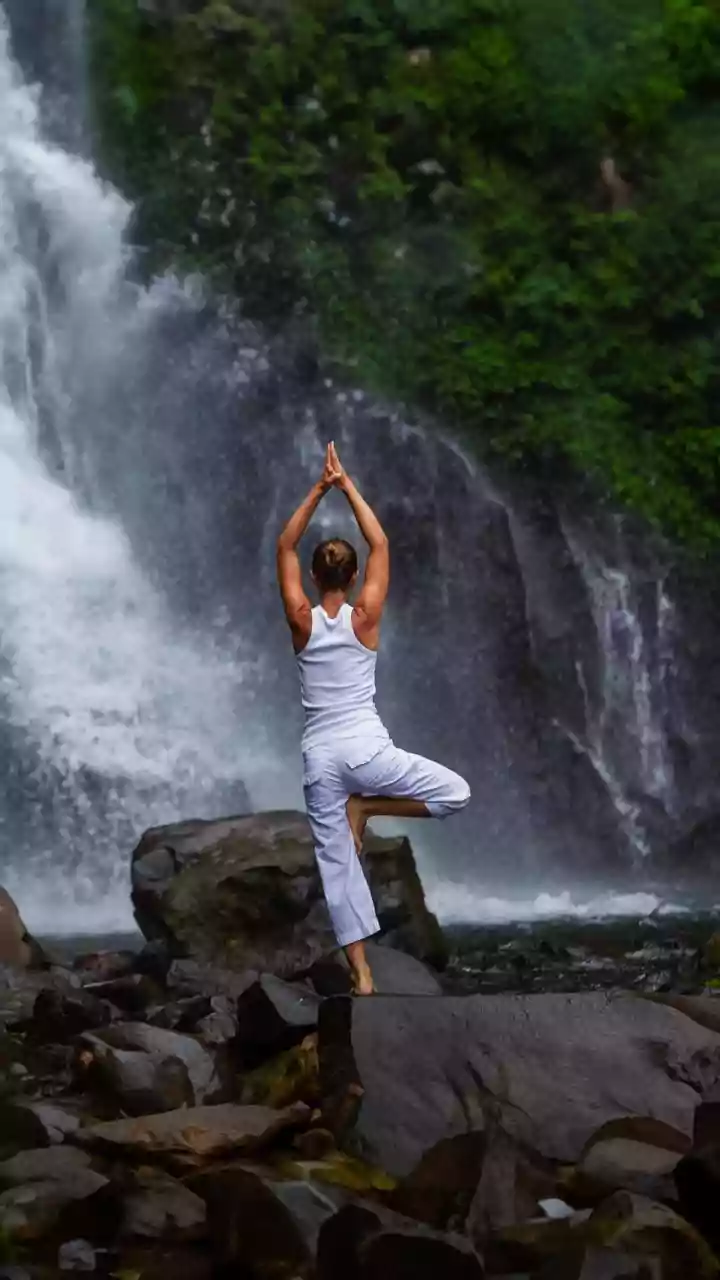
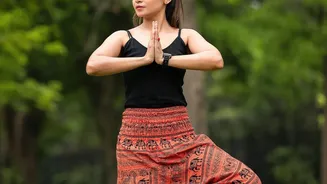
By the 21st century, all the pieces were in place for an explosion. Yoga and mindfulness were now backed by scientific evidence, championed by celebrities, and increasingly stripped of their complex spiritual context to be more marketable. The rise of social media created a visual culture where the aesthetics of yoga—stylish yoga pants, scenic poses, and branded gear—became as important as the practice itself. This fueled a massive commercialization, transforming a spiritual discipline into a vast wellness market complete with luxury retreats, countless mobile apps, and a seemingly endless array of classes from hot yoga to aerial yoga. This has made the practices more accessible than ever before, but also raises questions about authenticity and whether the original goal of inner peace has been replaced by the pursuit of a marketable lifestyle.