






For decades, the soundtrack of urban India has been the roar of traffic. But a quiet revolution is underway. Across the country, cities are beginning to push back against car-centric design, transforming congested roads into vibrant public spaces.
The High Cost of Congestion
The
traditional model of urban development in India has prioritised the movement of vehicles, often at the expense of people. This has led to cities choked with traffic, hazardous levels of air pollution, and a diminished quality of life. Footpaths, where they exist, are often broken, encroached upon, or simply disappear, making walking a dangerous activity. The Supreme Court of India even recognised in June 2026 that walking on safe, well-demarcated footpaths is a fundamental right, highlighting the systemic failure to provide for the most basic form of mobility. This car-first approach has not only created environmental and health crises but has also eroded the sense of community, turning streets into mere transit corridors rather than places for people to connect.
A New Urban Vision
In response, a new vision is taking hold among urban planners and policymakers. This people-centric approach, championed by national initiatives like the Smart Cities Mission and AMRUT, aims to reclaim streets for citizens. The focus is shifting towards creating 'complete streets' that cater to all users: pedestrians, cyclists, and public transport users, not just private cars. This philosophy is backed by a growing understanding that walkable cities are not just safer and cleaner, but also more equitable and economically vibrant. Projects across the country are now demonstrating that when you design for people, public life flourishes.
Delhi’s Chandni Chowk: A Case Study
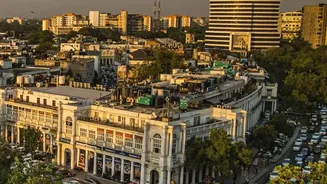
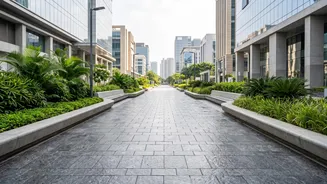
Perhaps the most high-profile example is the redevelopment of Chandni Chowk in Delhi. Inaugurated in 2021, the project transformed a 1.3-km stretch of the historic market from a chaotic, traffic-snarled artery into a pedestrian-friendly promenade. Overhead cables were buried, wide granite walkways were laid, and motorised traffic was restricted during the day. The initial results were striking: heritage facades became visible, air quality showed improvement, and crowds flocked to enjoy the space. However, the project also serves as a cautionary tale. Once the initial maintenance contract expired, issues like poor upkeep and lax enforcement of traffic rules began to creep back in, demonstrating that infrastructure alone is not enough without sustained governance.
Chennai’s Commercial Transformation
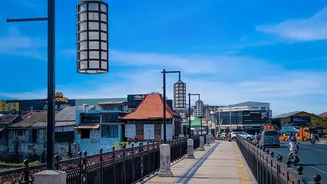
In Chennai, the creation of a pedestrian plaza in the bustling shopping district of T. Nagar (Pondy Bazaar) in 2019 was a landmark move. The project, born from the city's pioneering 2014 NonstMotorised Transport (NMT) policy, aimed to create a safe and enjoyable shopping experience. With wide, paved walkways, seating areas, and play equipment, the plaza was designed to put people first. Early reports indicated a significant boost in footfall and a 15st20% increase in sales for retailers, proving that pedestrianstfriendly spaces can be good for business. Yet, like its Delhi counterpart, the plaza has faced challenges with maintenance, encroachments by vendors, and illegal parking, highlighting the ongoing struggle to protect these reclaimed spaces.
Pune and Bengaluru Lead the Way
Other cities are also making significant strides. Pune has been recognised for its comprehensive approach, adopting a 'Pedestrian First' policy, Urban Street Design Guidelines, and dedicating a significant portion of its transport budget to sustainable mobility. The city's regular 'Pedestrian Day' events on major commercial roads like Laxmi Road demonstrate a consistent commitment to raising awareness and testing new ideas. In Bengaluru, the TenderSURE (Specifications for Urban Road Execution) project has systematically upgraded dozens of kilometres of roads with wide, continuous footpaths and organised underground utilities. These redesigned streets have seen a dramatic increase in pedestrian usage, proving the immense public appetite for safe and comfortable walking environments.
The Road Ahead is Not Without Obstacles
Despite these successes, the path to pedestrianisation is fraught with challenges. Resistance from traders concerned about loss of business due to parking restrictions is common, as seen in Delhi's Karol Bagh, where an early pedestrianization project was eventually dismantled. Flawed execution, lack of enforcement, and poor coordination between multiple civic agencies are recurring problems that can undermine even the best-'laid plans.' Furthermore,' ensuring these spaces are well-'maintained and free from encroachments requires constant vigilance and dedicated funding,' a step that is often overlooked in the initial planning.' The journey from a car-'dominated corridor to a true community space is a marathon,' not a sprint.'