


The Allure of the Himalayan Foothills
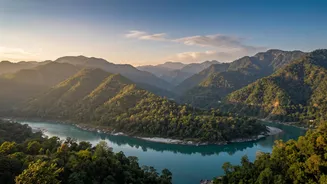
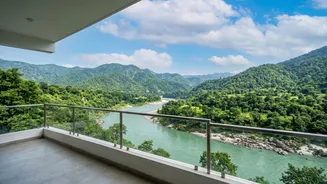
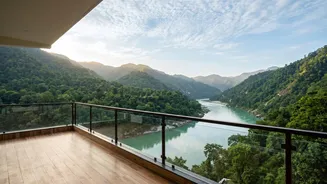
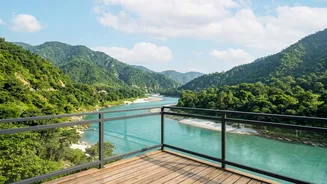
Rishikesh is no longer just a destination for spiritual seekers and yoga enthusiasts; it has firmly established itself as a top-tier hub for remote workers in India. The appeal is multi-layered. Beyond the serene presence of the Ganges and the stunning
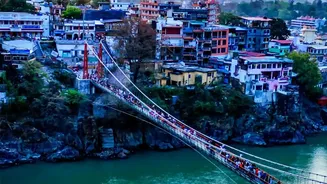
backdrop of the Himalayan foothills, the town offers a unique lifestyle. It combines spiritual tranquility with a vibrant café culture, adventure sports like white-water rafting, and a growing community of like-minded professionals. This blend allows for a rare work-life balance where a morning of focused work can be followed by an afternoon hike to a waterfall or an evening attending the famous Ganga Aarti. The areas of Tapovan and Laxman Jhula, in particular, have evolved into bustling digital nomad corridors, where backpacker hostels have upgraded their facilities to cater specifically to this new generation of workers.
Is the ₹18,000 Budget Realistic?
The ₹18,000 monthly figure is a powerful hook, but it requires careful planning. This budget primarily covers a long-term stay in a hostel dormitory. Recent reports and user experiences show that monthly dorm bed rates can range from as low as ₹6,000 to ₹8,000. A Reddit user who spent a month working remotely noted their private room cost ₹15,000, which is still within the ballpark. However, this amount typically only includes your bed and Wi-Fi. Food is a separate, significant expense. While eating exclusively at trendy organic cafes could cost you another ₹15,000-₹20,000, a mix of local eateries and hostel kitchens can keep your monthly food bill closer to ₹9,000-₹12,000. Therefore, while a sub-₹18,000 stay is possible, a more realistic total monthly budget for a comfortable experience, including food and miscellaneous expenses, would be closer to ₹25,000-₹30,000.
Choosing a Nomad-Friendly Base
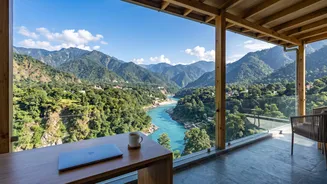
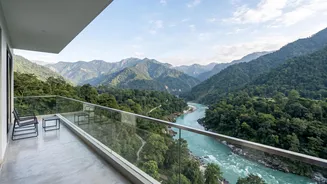
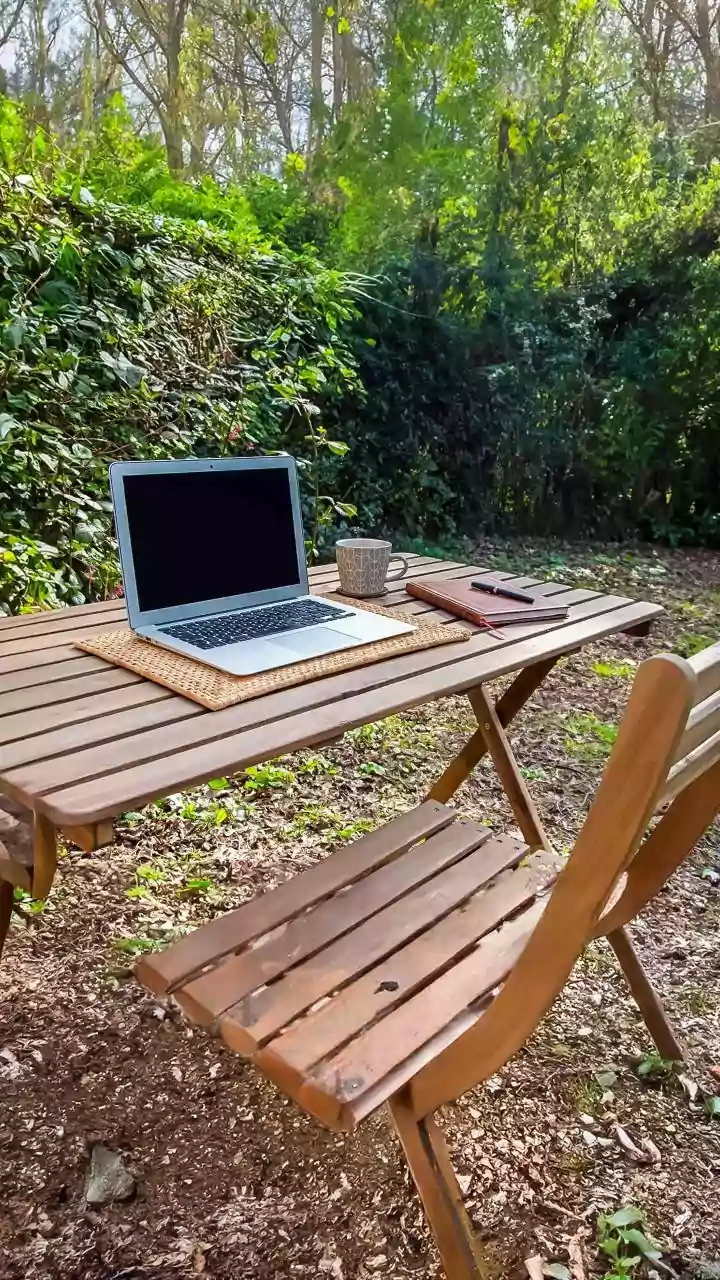
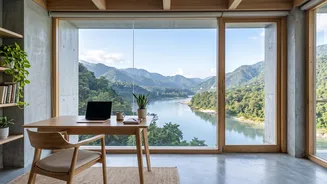
Not all hostels are created equal when it comes to remote work. The key is to look for 'workation' or 'co-living' focused properties. These establishments understand the needs of a digital nomad. When researching, prioritise hostels that explicitly advertise high-speed fiber internet, power backup (a must due to occasional power cuts), and dedicated co-working spaces or common areas with comfortable seating. Chains like Zostel, goSTOPS, and The Hosteller are often well-equipped, featuring co-working floors, ergonomic chairs, and even private pods for calls. Reading recent reviews on platforms like Hostelworld or Booking.com is crucial to verify claims about Wi-Fi speed and the overall work environment. A strong community vibe, often fostered through group activities like yoga sessions or movie nights, is another major plus for networking and combating loneliness.
The Crucial Connectivity Question
Historically, poor internet was the biggest barrier to working from the mountains. That has changed dramatically. The rollout of fiber optic infrastructure from providers like JioFiber and Airtel Xstream has been a game-changer. Top workation hostels now offer reliable connections with speeds ranging from 100 to 300 Mbps, easily handling video conferences and large file transfers. Many premier hostels also have multi-ISP redundancy, meaning they have a backup internet provider if the primary one fails. While the connection in hostels and cafes can sometimes fluctuate during peak hours, the general connectivity is now considered robust. For absolute security, most seasoned nomads also carry a personal mobile hotspot with a data plan from Airtel or Jio, both of which offer strong 4G/5G coverage in the main areas of Rishikesh.
Life Beyond the Laptop Screen
The true value of a Rishikesh workation lies in what you do after you log off. The town is a playground for wellness and adventure. The lifestyle encourages you to integrate mindful practices into your daily routine; you can finish a client call and be at a Vinyasa yoga class fifteen minutes later. Weekends are for exploring, whether it's trekking to nearby waterfalls, rafting down the Ganges, or renting a scooter to discover quiet riverside beaches. The social scene is another major draw. The intimate nature of the nomad community means you'll quickly build connections at local cafes, weekly meetups, or hostel common areas. This creates a support system and opportunities for both personal and professional networking, making the experience about much more than just a change of scenery.