



In the hustle of modern life, the call of the wild is stronger than ever. Craving a deep breath of fresh, clean air? We've curated a list of seven of India's most stunning lakes, celebrated for their pristine landscapes and tranquil waters.
Pangong Tso, Ladakh
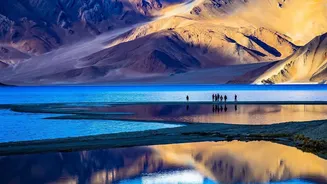
A jewel of
the Himalayas, Pangong Tso is a high-altitude brackish lake that stretches from India to China. Situated at about 14,270 feet, its most magical feature is its ability to change colour, shifting from azure blue to green and even grey throughout the day. The journey to Pangong Tso is as dramatic as the destination, involving a drive over the formidable Chang La pass. Surrounded by stark, arid mountains, the lake's serene and expansive beauty offers a profound sense of peace. Despite its saline water, the lake freezes completely in winter. It serves as a vital breeding ground for migratory birds like Bar-headed geese and Brahminy ducks during the summer months.
Gurudongmar Lake, Sikkim
Perched at a staggering altitude of over 17,000 feet in North Sikkim, Gurudongmar Lake is one of the highest lakes in the world. Considered sacred by both Buddhists and Hindus, its emerald waters are believed to possess healing powers. A portion of the lake miraculously remains unfrozen even in the harshest winters, a phenomenon attributed to divine blessings. The air here is thin and crisp, and the landscape is a minimalist canvas of snow-dusted mountains and the vast Tibetan plateau. Visiting requires a special permit due to its proximity to the border, but the ethereal beauty and spiritual calm make the journey immensely rewarding.
Chandratal, Himachal Pradesh
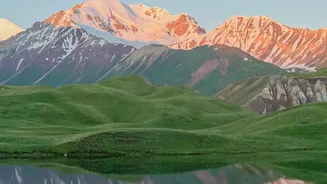
Literally meaning 'Moon Lake', Chandratal gets its name from its perfect crescent shape. Located at an altitude of about 14,100 feet in the Spiti Valley, this freshwater lake is a paradise for trekkers and campers. The journey to the lake is an adventure, with roads accessible only from late May to early October. Surrounded by vast meadows and stark mountains, the lake's crystal-clear water reflects the sky and its surroundings with stunning clarity. As the day progresses, the lake's colour transitions through various shades of blue, creating a mesmerizing spectacle. The area is a protected sanctuary, offering a raw, untouched slice of Himalayan wilderness.
Loktak Lake, Manipur
The largest freshwater lake in Northeast India, Loktak Lake is famous for its 'phumdis' — unique floating islands of vegetation, soil, and organic matter. These phumdis are so significant that the world's only floating national park, Keibul Lamjao National Park, sits on one of them. This park is the last natural habitat of the endangered Sangai, or dancing deer. The lake is a lifeline for the region, supporting local communities who live in floating huts called 'phumsangs'. The air quality in the region is notably clean, with Imphal often cited as having some of the cleanest air in India. A boat ride across this unique ecosystem offers a glimpse into a harmonious blend of nature and human life.
Prashar Lake, Himachal Pradesh
Tucked away in the Mandi district of Himachal Pradesh at an altitude of 2,730 metres, Prashar Lake is a hidden gem. The deep blue lake is known for its floating circular island, which moves across its surface throughout the year. Next to the lake stands a beautiful three-storied pagoda-like temple dedicated to the sage Prashar. Reaching the lake involves a scenic trek through forests and meadows, which contributes to its secluded and unspoilt charm. The panoramic views of the Dhauladhar, Pir Panjal, and Kinnaur mountain ranges from the lake are simply breathtaking, offering a tranquil escape for spiritual seekers and nature lovers alike.
Manasbal Lake, Kashmir
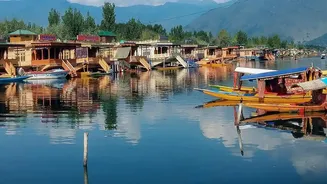
Often called the 'supreme gem of all Kashmir lakes', Manasbal is considered the deepest lake in the Kashmir Valley. Located in Ganderbal district, it is renowned for its tranquil beauty and clear waters, especially when compared to the more frequented lakes of Srinagar. During the summer, its surface is covered with lotus flowers, creating a picturesque scene. The lake is an important habitat for aquatic birds and a key staging point for migratory species arriving from Central Asia. Despite some pollution concerns being addressed with new sanitation rules, its relative isolation keeps it less crowded, allowing visitors to enjoy its serene ambiance.
Vembanad Lake , Kerala
Stretching across several districts , Vembanad is the longest lake in India and the largest in Kerala . This vast expanse of water is the heart of the famous Kerala backwaters , a network of lagoons , canals , and rivers . While parts of any lake near urban centres face pollution challenges , large stretches remain a verdant paradise . A houseboat cruise reveals lush paddy fields , swaying coconut groves , and quaint villages lining the shores . The lake 's ecosystem supports a rich diversity of birdlife , making it a haven for birdwatchers , especially at any Kumarakom Bird Sanctuary . It offers a unique experience of fresh air , greenery , and any tranquil rhythm of backwater life .