




Windscreen Wipers: Your Window to Safety
Often ignored during dry months, wiper blades are your most critical safety tool in a downpour. Rubber degrades in the summer heat, so last year's wipers may now be brittle and ineffective. Before the rains begin, test them. If they leave streaks, skip
patches, or make a chattering sound, they need replacing. This is an inexpensive fix for a priceless benefit: clear vision. Don't forget to top up your windshield washer fluid; using a proper washer solution can help clear oily road grime that plain water can't handle.
Lights: See and Be Seen
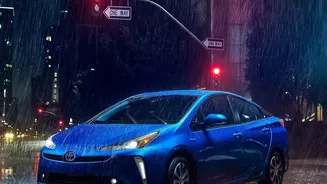
Heavy rain drastically reduces visibility for everyone on the road. It's crucial that other drivers can see you, and you can see the road ahead. Walk around your car and check all your lights: headlights (both low and high beams), tail lamps, brake lights, and turn indicators. Replace any bulbs that are fused or dim. If your headlight lenses have turned yellow or foggy, consider using a restoration kit. A cloudy lens can significantly reduce light output, making your headlights less effective when you need them most.
Tyres: The Critical Point of Contact
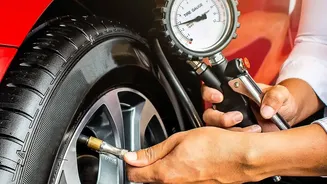
Your tyres are the only part of your car that touches the road, making them vital for grip on wet surfaces. Worn tyres with insufficient tread depth are a primary cause of hydroplaning, where a layer of water builds between the tyre and the road, leading to a loss of control. Before the monsoon, inspect your tyres for tread depth. A simple coin test can give you a rough idea, but for safety, ensure the tread is well above the minimum legal requirement. Also, check and maintain the correct tyre pressure, including the spare, as improper inflation affects handling and braking.
Brakes: Your Ultimate Safety Net
Stopping distances increase on wet roads, so your car's braking system must be in perfect working order. Pay attention to any unusual sounds like squealing or grinding when you apply the brakes. If your car vibrates or the brake pedal feels spongy, get the system inspected immediately by a professional. Brake pads and fluid are essential for effective stopping power. Driving through waterlogged areas can also temporarily reduce brake efficiency, so after passing through water, gently tap your brakes a few times to dry them out.
Battery: Powering Through the Monsoon
The high humidity of the rainy season can accelerate corrosion on battery terminals, and the increased use of wipers, lights, and defoggers puts extra strain on the electrical system. An ageing battery is more likely to fail in these conditions. Before the season starts, check the battery terminals for any white or greenish deposits and clean them if necessary. Ensure all connections are tight. If your battery is more than three years old or has been showing signs of weakness, it's wise to have it professionally tested.
AC and Defogger: For a Clear View Inside
The air conditioning system does more than just cool the cabin; it's essential for demisting your windshield during the rains. When it's cool and rainy outside but warm inside your car, the windscreen can fog up quickly, severely impairing vision. The AC system helps by drying the air inside the cabin. Before a long trip, turn on your AC and direct it towards the windshield to ensure the defogger is working effectively. If your windscreen takes a long time to clear, it might be time to have your AC system checked.