








Rethink Your Invitations
The first touchpoint of any party is the invitation, and it's also the first place you can make a sustainable choice. Instead of traditional paper invites, consider going digital. E-invitations sent via email or WhatsApp are not only waste-free but also significantly
cheaper and faster. Platforms allow for easy RSVP tracking, and any last-minute changes can be communicated instantly. If you love the feel of a physical invitation, look for options printed on recycled or seed paper. These unique cards can be planted by your guests, leaving them with a pot of flowers or herbs as a lasting memory of your event.
Plan a Low-Waste Menu
Food is the heart of any Indian gathering, and with a little planning, it can be both delicious and sustainable. Prioritise local and seasonal produce, which reduces the carbon footprint associated with long-distance food transport. Planning your menu around finger foods can also reduce the need for cutlery. When planning quantities, be realistic about how much your guests will eat to minimise leftovers. If you do have excess food, have a plan to donate it to a local food bank or organisation, reframing waste management as an act of community giving or 'Annadaan'. For drinks, instead of single-use plastic bottles, set up a water dispenser, perhaps infused with mint or lemon, and encourage guests to refill their glasses.
Ditch the Disposables
One of the most significant sources of waste at parties is single-use plates, cups, and cutlery. The simplest solution is to use the reusable crockery and cutlery you already own. If you're hosting a large crowd and don't have enough, consider borrowing from friends or neighbours. Another popular option is renting tableware, which is often surprisingly affordable and saves you the hassle of washing up. If disposables are unavoidable, choose biodegradable options made from materials like banana leaves, bamboo, or sugarcane pulp, which are now widely available and much kinder to the planet than plastic.
Decorate with Intention
Decorations set the mood, but they don't have to be wasteful. Move away from plastic balloons and single-use banners. Instead, embrace natural and reusable decor. Fresh, local flowers, potted plants, or even creatively arranged fruit platters can add vibrant colour to your space. Brass lamps and clay diyas lend a traditional and warm festive glow. Fabric drapes, reusable bunting, and cushion covers in bright textiles can be used time and again for different occasions. For a personal touch, you can create DIY decorations from upcycled materials, like garlands from dried citrus or lanterns from glass jars.
Embrace Thoughtful Party Favours
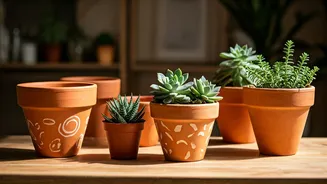
The tradition of giving a return gift can also be made more sustainable. Instead of small plastic toys or items that will be quickly discarded, consider favours that are useful, edible, or contribute to nature. Small potted plants like succulents, packets of seeds, or DIY herb starter kits are gifts that continue to grow. Locally sourced edible treats like small jars of honey, jam, or spices are often appreciated. You could also gift reusable items like a small cloth bag, a bamboo straw, or a handmade beeswax wrap, giving your guests a tool to start their own sustainability journey.
Manage Waste Smartly
A zero-waste party starts with a good waste management plan. Make it easy for your guests to help by setting up clearly labelled bins for wet waste (food scraps), dry waste (paper, packaging), and recyclables. A small compost bin can be designated for food scraps, which can later be used to enrich garden soil. By thinking about disposal from the beginning, you ensure that the end of your party is as clean and green as its start. This simple act of segregation can drastically reduce the amount of trash that ends up in a landfill.