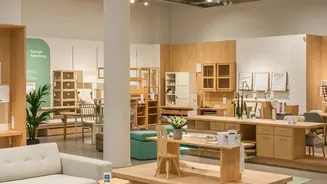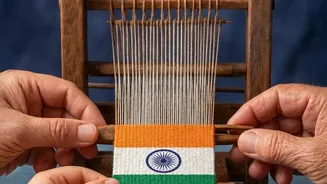


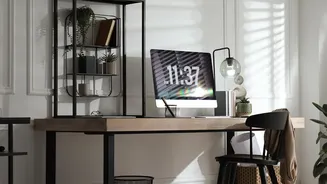
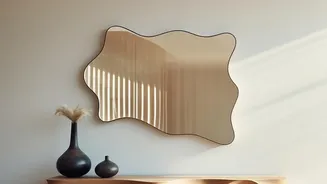
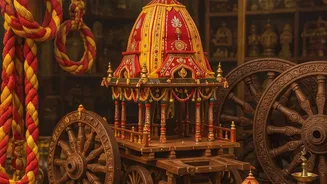
In the clean, minimalist spaces of modern city apartments, a powerful trend is taking root: a return to handcrafted authenticity. This is not just about nostalgia, but a dynamic fusion where ancient skills meet contemporary design.
A Shift in Urban Taste
Today’s urban homeowners
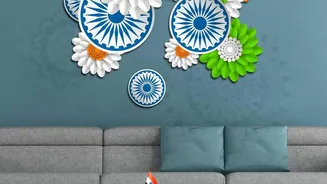
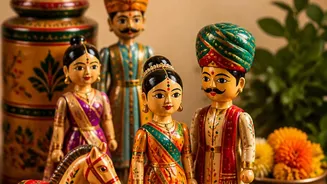
are increasingly looking for more than just factory-perfect objects. There is a growing desire for pieces with a story, a human touch, and a connection to cultural roots. This shift is driven by a conscious move towards sustainability and a rejection of the disposable nature of mass-produced goods. Homeowners are looking to create spaces that feel personal and soulful, and traditional Indian handicrafts, with their rich histories and visible imperfections, perfectly fill this emotional and aesthetic gap. Items like a hand-carved wooden panel or a single Dhokra sculpture can add warmth and personality to a minimalist room without creating clutter.
Reimagining Form and Function
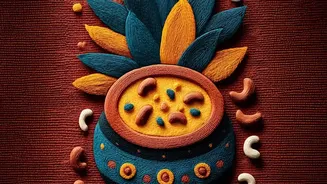
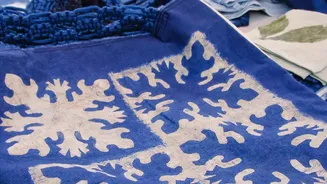
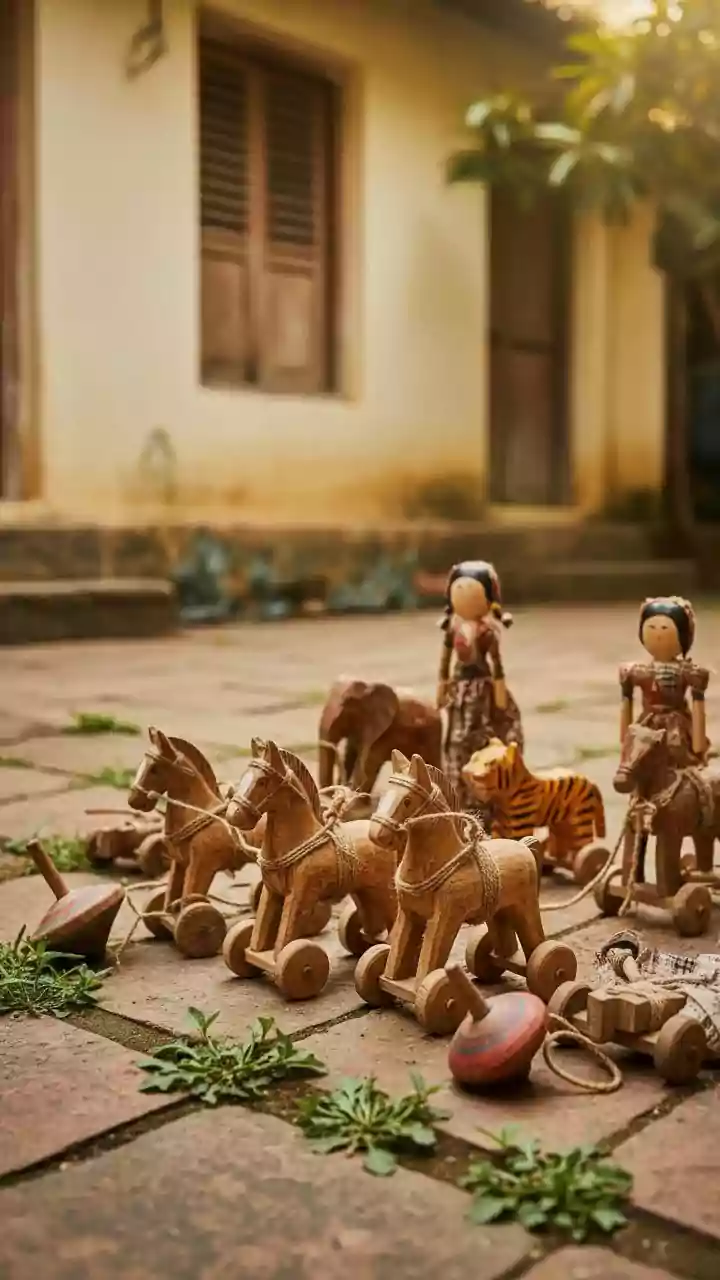
The key to this revival is adaptation, not just preservation. Crafts that once served a specific, often rural, purpose are being ingeniously repurposed for city life. For example, Channapatna toy-making techniques from Karnataka, known for their bright, lacquered wood, are now used to create contemporary lamps, bowls, and candle holders. Similarly, Sitalpati mats from Assam, traditionally woven from reeds for household use, are now being fashioned into stylish lampshades, trays, and storage baskets by designers. This evolution allows ancient skills to find new life and relevance. Madhubani art, once painted on mud walls, now adorns wooden furniture and accessories, while traditional block prints like Ajrakh are found on everything from quilts to table linen.
The Crucial Role of Collaboration
This transformation is rarely accidental. It is often fostered by collaborations between artisans and contemporary designers, who act as a bridge between the village workshop and the urban market. Designers help artisans understand modern aesthetics, suggesting new colour palettes, simplified motifs, and contemporary forms that appeal to today's buyers. These partnerships ensure that the craft's integrity remains intact while making the final product market-ready. For instance, a Pichwai artist who traditionally painted large temple backdrops might be guided to create smaller, focused pieces for a modern living room wall. This synergy helps preserve heritage while ensuring artisans can earn a sustainable livelihood.
Digital Bazaars and Global Reach
Technology has become a powerful ally for artisan communities. The rise of ecommerce platforms and social media has been revolutionary, allowing artisans to bypass traditional middlemen and connect directly with customers globally. Websites like Etsy, Amazon Handmade, and specialised Indian platforms provide a virtual storefront where artisans can share their stories, showcase their processes through videos, and sell their products at fairer prices. This digital access has not only expanded their market from local to international but has also given them invaluable insight into global trends, helping them adapt their offerings more effectively. The result is increased visibility and better economic returns for their intricate work.
Navigating the Challenges
Despite the positive trends, significant challenges remain. Competition from cheap, mass produced replicas is fierce. Artisans often struggle with scaling up production to meet large orders without compromising handmade quality, and many in rural areas still lack the digital literacy to manage online sales effectively. Ensuring fair wages and preventing the dilution of traditional techniques are ongoing concerns. Furthermore, there is the risk of the younger generation moving away from these crafts in search of more stable, urban employment, threatening the long term survival of these skills. Sustained support from government initiatives, NGOs, and conscious consumers is crucial to overcoming these hurdles.