





The Coastal Gateway: Machilipatnam
Once a bustling 17th-century trading hub for the Dutch, French, and British, the historic port city of Machilipatnam offers more than just a coastal breeze. It’s the home of Machilipatnam Kalamkari, a unique style of block-printed fabric that earned its
own Geographical Indication (GI) tag. Unlike the pen-drawn Srikalahasti style, this art form uses intricately carved wooden blocks to stamp motifs onto textiles. The designs, often influenced by Persian art due to centuries of trade, feature everything from floral patterns to the iconic 'Tree of Life'. While the heart of the production now beats strongest in the nearby town of Pedana, Machilipatnam’s history as a textile giant makes it the natural anchor for any craft-focused journey through the region.
First Stop: The Printed Textiles of Pedana
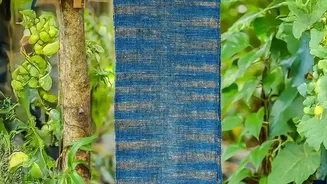
Just a short drive from Machilipatnam, the town of Pedana is where the magic of Kalamkari truly comes to life. This is where artisan communities have perfected the 17-step process of treating, printing, and dyeing cotton fabric using natural dyes derived from seeds, barks, and leaves. Visiting a workshop here is a sensory experience. You can witness artisans pressing teakwood blocks onto stretched fabric with practiced precision, each color requiring a separate block and dyeing cycle. The resulting textiles—used for everything from sarees and dress materials to bed linens and wall hangings—are a testament to a patient and vibrant craft passed down through generations. Many workshops welcome visitors, offering a chance to see the process and purchase authentic pieces directly from the source.
Inland to the Toy Towns: Kondapalli
From the coast, a craft trail naturally leads inland towards Vijayawada, near which lies the village of Kondapalli. This village is famous for its 400-year-old tradition of carving Kondapalli toys, or 'Bommala.' These lightweight wooden toys, which also hold a GI tag, are carved from a special soft wood called Tella Poniki, found in the local hills. The artisans, who trace their lineage back centuries, craft figurines depicting rural life, mythological characters, and animals. You’ll find everything from a farmer with his bullock cart to scenes from the Ramayana and Mahabharata. The pieces are assembled using a tamarind seed paste and painted with vibrant, natural dyes, making them eco-friendly souvenirs. A trip to Kondapalli's 'Bommala Colony' (Toys Colony) offers a fascinating glimpse into this delicate art form.
The Lacquerware Wonders of Etikoppaka
Further extending the journey, one can travel to Etikoppaka, a village on the banks of the Varaha river renowned for its lacquer-coated wooden toys. The craft, known as turned wood lacquer, has been practiced here for centuries. Artisans use the soft 'Ankudu' wood, which they shape on a lathe before applying colorful lacquer. The lacquer itself is a natural resin mixed with dyes derived from seeds, bark, and roots, giving the finished products a beautiful, glossy sheen. Unlike the detailed carvings of Kondapalli, Etikoppaka toys are known for their smooth, rounded contours and minimalist forms, making them safe and appealing for children. The craft, which received its GI tag in 2017, produces everything from toys and dolls to decorative bowls and containers.
Connecting the Dots: Building the Craft Trail
The potential for a dedicated Andhra Craft Trail, starting from Machilipatnam and winding through Pedana, Kondapalli, and Etikoppaka, is immense. Such a route would not only offer travelers a unique cultural experience but also provide a vital economic boost to artisan communities. Success, however, relies on focused initiatives. Recently, the Andhra Pradesh government has signaled its intent to promote 'Handicrafts Tourism' more formally. Proposed measures include adding QR codes to products that tell the artisan's story, creating documentaries, and establishing common facility centers to support craftspeople. For travelers, this could mean better-marked routes, curated workshop tours, and easier access to authentic, high-quality handicrafts. The launch of the Lepakshi e-Commerce App is another step toward connecting these artisans with a global market, but the in-person experience of a craft trail remains unparalleled.