


Deconstructing the Misal Experience
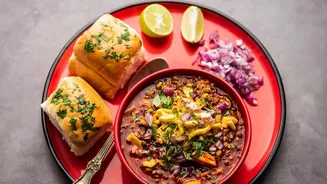
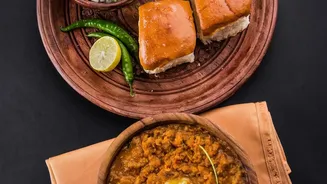
Before you start cooking, it's essential to understand that Misal Pav isn't a single curry; it's an assembly of distinct components that create a layered experience. An authentic bowl has four key parts: the 'Usal', which is a thick curry made from sprouted
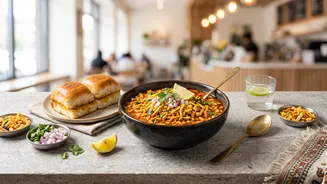
moth beans (matki); the 'Kat' or 'Rassa', a spicy, watery gravy that provides the heat and flavour; a generous topping of crunchy 'Farsan' (a savoury mixed snack); and finally, soft bread rolls, or 'pav', to soak it all up. The magic lies in how these elements, with their contrasting textures and tastes, come together in the final serving. Different regions have their own variations—Puneri misal is often milder, while the Kolhapuri version is known for its fiery spice.
Gathering Your Ingredients
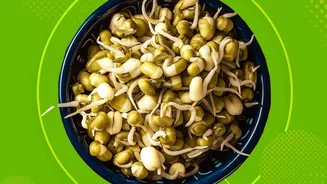
The heart of a great misal lies in its unique spice blend and core ingredients. The most crucial element is sprouted moth beans, or 'matki'. While you can buy them, sprouting them at home is simple: soak the beans overnight, then drain and keep them in a warm, dark place for a day until sprouts appear. For the flavour base, you'll need aromatics like onion, ginger, and garlic, along with dry coconut, which is often roasted to provide a deep, nutty flavour. The signature spice blend is Goda Masala, a classic Maharashtrian mix that gives the dish its unique earthy and slightly sweet notes. If you can't find it, a good quality Garam Masala can work, but Goda Masala provides a more authentic taste. Kashmiri red chilli powder is also key for achieving that vibrant red colour without overwhelming heat.
Building the Foundation: The Usal
The Usal is the wholesome, protein-rich base of the dish. Start by pressure-cooking the sprouted matki with a pinch of turmeric and salt for just one whistle. You want the sprouts to be soft but not mushy, retaining a slight bite. In a separate pan, heat some oil and add mustard seeds, cumin seeds, and curry leaves. Once they crackle, add finely chopped onions and sauté until they turn golden brown. Add ginger-garlic paste and cook until the raw smell disappears. Then, add your cooked sprouts to this base. Some recipes also include a small boiled and chopped potato in the usal for extra body. This forms a semi-dry curry that will sit at the bottom of your serving bowl.
Crafting the Soul: The 'Kat' or Spicy Gravy
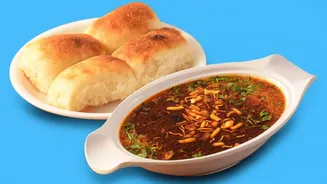
The 'Kat', also called 'Tarri' or 'Rassa', is what truly defines street-style misal. This is the fiery, flavour-packed watery broth that gives misal its punch. The secret to a great kat is a freshly made masala paste. To make it, dry roast grated coconut until golden brown. In the same pan, add a little oil and roast chopped onions, ginger, and garlic until the onions are deeply caramelized. Let this mixture cool completely, then blend it into a super-smooth paste with a splash of water. Now, heat a generous amount of oil in a deep pan—misal requires extra oil to create that signature red layer on top. Add the ground paste and sauté until the oil starts to separate. Add Goda Masala, red chilli powder, and turmeric, and fry for another minute before adding several cups of hot water to create a thin gravy. Let this simmer on low heat for at least 10-15 minutes, which will allow a layer of flavourful red oil (the tarri) to float to the surface.
The Art of Assembly
Serving misal is a ritual in itself. In a deep bowl, start with a ladleful of the thick matki usal. Pour a generous amount of the hot, spicy kat over it. The ratio is up to you—add more kat for a spicier, soupier misal. Next, top it with a thick layer of farsan or sev for crunch. Don't be shy here; the crunch is essential. Finally, garnish with finely chopped raw onions, fresh coriander leaves, and a squeeze of lemon juice. The raw onion adds a sharp bite that cuts through the richness of the curry. Serve immediately with soft pav, which can be lightly toasted with butter for an extra layer of indulgence.