







Why Humidity Is Your Pantry's Worst Enemy
During the monsoon, the air becomes saturated with moisture. This excess humidity is exactly what microorganisms like mould, yeast, and bacteria need to thrive. Foods that are perfectly fine for a week in dry weather can start showing signs of spoilage
in just a couple of days. The moisture in the air settles on food surfaces, accelerating the growth of fungus and bacteria that lead to decay, bad odours, and potential health risks. Even dry goods like biscuits and spices are not safe; they absorb moisture from the air, causing them to lose their crispness and flavour.
Mastering Your Fruits and Vegetables
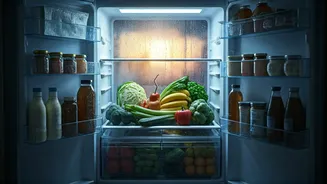
Fresh produce is particularly vulnerable during the rainy season. To extend its life, always wash vegetables thoroughly, sometimes with salt water, to remove germs and dirt. The most crucial step is to dry them completely before storage. Wrap leafy greens like spinach and coriander in paper towels before placing them in the fridge to absorb excess moisture. For root vegetables like carrots and radishes, store them in a cool place, and if using a plastic bag, poke a few holes for ventilation. Onions and potatoes should be kept in a cool, dry basket, never in the fridge, as the cold can alter their flavour and texture.
Keeping Grains, Pulses, and Spices Safe
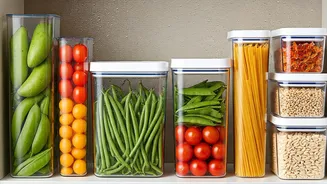
The monsoon can turn crisp papads soggy and clump your precious spices. The key is airtight storage. Transfer rice, lentils (dals), and flour into clean, dry, airtight containers as soon as you buy them. For extra protection, you can lightly roast grains and pulses before storing them to remove any inherent moisture. Adding a few bay leaves to your rice or flour containers can help deter pests. Spices also lose their potency in humid conditions, so store them in small, airtight glass jars away from the stove and sink to protect them from steam and moisture.
Handling Cooked Food and Leftovers
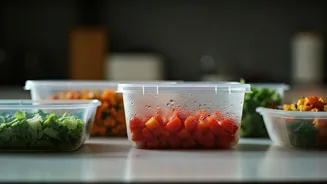
Cooked food spoils even faster in the damp monsoon weather. A good rule of thumb is to cook smaller quantities to ensure you eat fresh meals. If you do have leftovers, don't leave them out to cool for too long. Refrigerate them promptly in clean, covered containers. When it's time to eat them, make sure to reheat the food thoroughly until it is steaming hot to kill any bacteria that may have developed. It is also wise to keep your refrigerator clean and not over-stuff it, as good air circulation is essential for keeping food fresh.
Smart Kitchen and Shopping Habits
A few changes in your routine can make a big difference. During the monsoon, it's better to buy perishable items in smaller quantities more frequently, rather than bulk buying. Maintain a clean and dry kitchen. Wipe up spills immediately and ensure there’s good ventilation to reduce overall humidity. Regularly clean and defrost your refrigerator, as trapped food particles can become a source of mould. Finally, be extra cautious with street food, as the unhygienic conditions often found during this season increase the risk of contamination and foodborne illnesses.