



Jonty Rhodes: The Man Who Made Fielding an Art
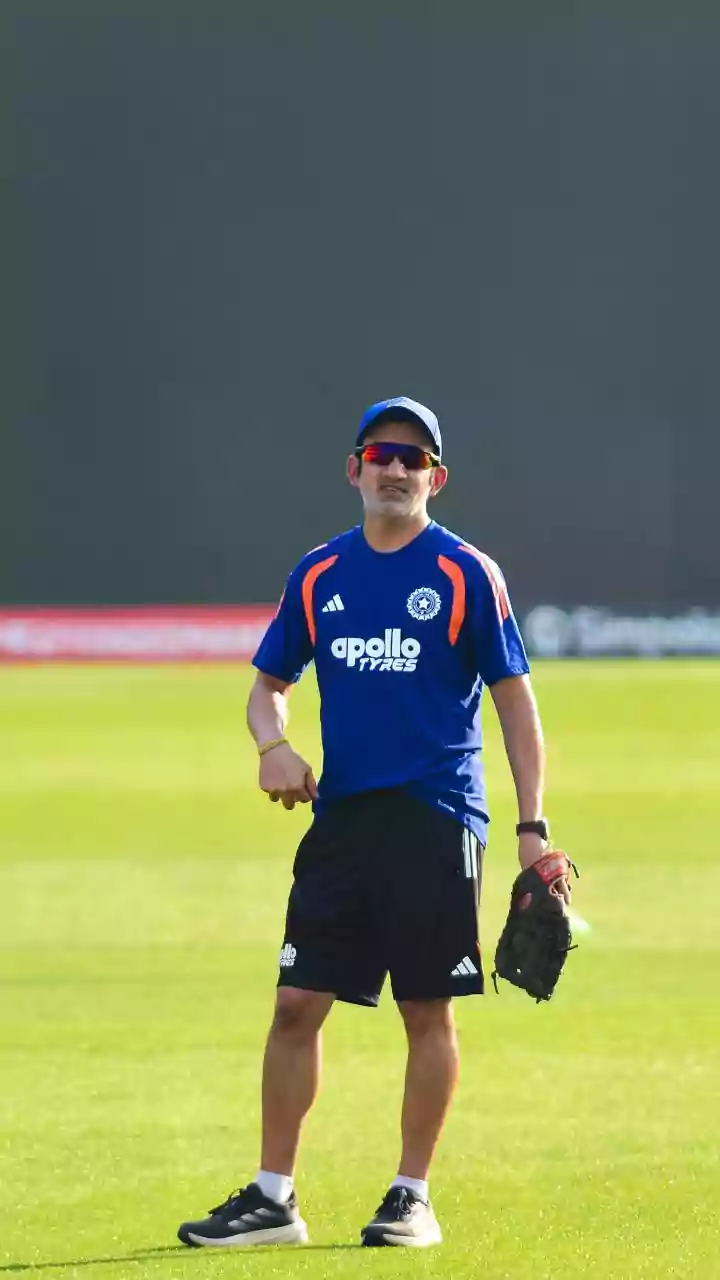
Before Jonty Rhodes, fielding was often seen as a chore, a necessary evil between overs. Then came the 1992 World Cup and his iconic, airborne run-out of Inzamam-ul-Haq. In that one moment, the South African redefined what was possible on a cricket field.
Rhodes turned fielding from a passive activity into an attacking weapon. Stationed at backward point, his acrobatic dives and impossible stops saved countless runs, but more importantly, they created pressure that led to wickets. He was known to win Man of the Match awards for his fielding alone, a testament to his unique impact. He made fielding cool, inspiring a generation of players to take pride in this aspect of the game. Today, the high standards of fielding in professional cricket, from dedicated coaching drills to boundary relay catches, can all be traced back to the revolution Rhodes started.
Mike Brearley: The Captain with a Degree in People
Mike Brearley’s Test batting average of 22.88 is unremarkable. Yet, Australian pace legend Rodney Hogg famously said Brearley had “a degree in people.” It’s why he’s considered one of cricket's greatest-ever captains. His genius wasn't in his personal stats but in his ability to get the absolute best out of his team. He famously led England to a seemingly impossible Ashes victory in 1981 after taking over the captaincy mid-series. He was a master of man-management, skillfully handling a team of diverse and strong personalities like Ian Botham and Geoffrey Boycott. Brearley understood that captaincy was about more than just field placements; it was about intuition, empathy, and psychological warfare. He proved that a brilliant mind that understands players could be far more valuable than a brilliant batsman who doesn’t.
Eoin Morgan: The Architect of England’s White-Ball Reset
When Eoin Morgan took over England's one-day captaincy, the team was in disarray, fresh off a humiliating group-stage exit in 2015 World Cup. By 2019, he was lifting the World Cup trophy at Lord's. This transformation wasn't accidental; it was the result of Morgan's complete overhaul of England’s white-ball philosophy. Inspired by the aggressive style of Brendon McCullum's New Zealand, Morgan instilled a new, fearless approach. He empowered his batsmen to attack from ball one, ditching the cautious, data-heavy approach for one based on freedom and aggression. While his own run tallies were impressive, his true legacy is the cultural shift he engineered, turning England from limited-overs laggards into a global powerhouse and changing how the one-day game is approached worldwide.
Sourav Ganguly: The Prince Who Taught India to Fight
Sourav Ganguly took over the Indian captaincy in 2000, a time when the team's spirit was shattered by match-fixing scandals and a reputation for being 'tigers at home, lambs abroad'. 'Dada', as he was affectionately known, didn't just rebuild the team; he rewired its DNA. He backed young, unproven talent like Virender Sehwag, Yuvraj Singh, and Harbhajan Singh, giving them the confidence to express themselves. More than tactics, Ganguly instilled a new, aggressive mindset. He taught his team to look opponents in the eye and never take a backward step, famously making Steve Waugh wait for the toss and waving his shirt from the Lord's balcony. While his individual stats are excellent, they don't capture his true contribution: transforming a talented but timid side into a fierce, competitive unit that could win anywhere in the world.