





More Than Just Inspiration
A successful home project begins long before the first can of paint is opened. It starts with a clear vision, and that's where a moodboard comes in. Think of it not as an art project, but as a strategic plan. While a standard moodboard collects inspiring
images, a useful one bridges the gap between imagination and reality. It's a visual tool that forces you to make decisions, ensuring that your colors, textures, furniture, and finishes will work harmoniously together before you've spent a single rupee. This process saves time, prevents costly mistakes, and gives you a clear reference point to keep your project on track.
Gather and Curate Your Vision
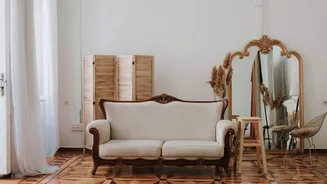
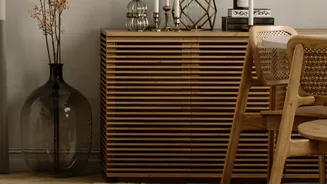
The first step is always the most fun: gathering inspiration. Look everywhere—design magazines, Pinterest, Instagram, and even photos you take of spaces you love. Collect images that evoke the feeling you want for your room. But the key here is to be intentional. Don't just save everything you like. Start to notice patterns. Are you drawn to certain colors, materials, or furniture styles? Once you have a collection, begin to curate. Edit down your images to a selection that feels cohesive and truly represents the single direction you want to go in. This is about defining your style, not just collecting beautiful but disconnected ideas.
Ground It in Your Actual Space
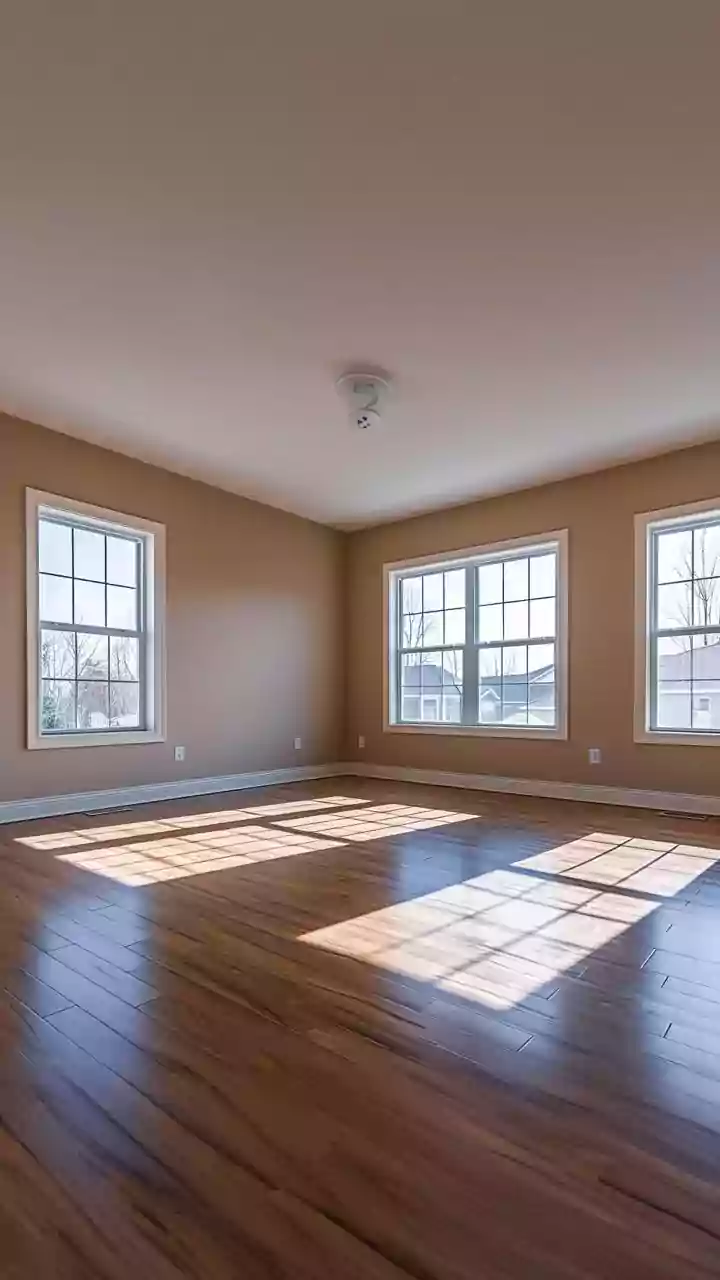
Inspiration is vital, but it must be tailored to your home. This is where 'space' and 'use' come into play. A great moodboard includes practical elements of your actual room. Start by taking measurements and creating a simple floor plan. Add photos of your existing space to the board. This will help you visualize how new elements will interact with what's already there. Crucially, consider the room's function. Is this a busy family living room that needs durable fabrics, or a quiet home office designed for focus? The intended use should guide your choices in materials, layout, and furniture.
Connect Your Dreams to Your Budget
This is the step that turns a moodboard from a wishlist into a workable plan. Incorporating cost is non-negotiable for a useful board. As you select potential furniture, lighting, or flooring, research the prices and note them directly on your board. If you're creating a physical board, attach printouts with prices. If it's digital, add text boxes or use a tool that lets you link to products. This practice forces you to make realistic choices. If a particular sofa blows your budget, you can find a more affordable alternative that still fits your aesthetic before you commit. This financial planning ensures your final design is not only beautiful but also achievable.
Physical vs. Digital: Choose Your Tool
There are two main ways to build your moodboard: physical and digital. A physical board, using cork or foam board, allows you to touch and feel real material samples like fabric swatches, paint chips, and flooring tiles. This tactile experience is invaluable for understanding texture and how materials interact in real light. Digital boards, created with tools like Canva, Pinterest, or Milanote, are excellent for gathering inspiration quickly, trying out different furniture combinations, and easy sharing. Many designers use a hybrid approach: starting digitally to explore broad ideas and then creating a physical board to finalize material choices. The best method is the one that works for you and your project.