


The Material Truth: Steel, Ceramic, or Plastic?
The most common and cheapest option in India, plastic bowls, are unfortunately the worst choice for long-term use. Plastic scratches easily, and these tiny grooves become breeding grounds for harmful bacteria. Some plastics also contain chemicals like
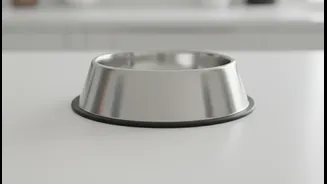
BPA which can leach into your pet's food and water. This can lead to skin issues like chin acne, particularly in cats, and other health concerns. Most veterinarians recommend stainless steel as the top choice. It is non-porous, durable, easy to clean thoroughly, and doesn't harbor bacteria. High-quality, glazed ceramic bowls are a good second option. They are heavy, which prevents tipping, but must be checked regularly for chips or cracks where bacteria can hide. Given India's often warm and humid climate, which can accelerate bacterial growth, a non-porous material like stainless steel is the most hygienic and safest bet.
Hidden Dangers: The Slimy Truth About Biofilm
Ever felt that slimy coating on the inside of a pet's water bowl? That's biofilm, a community of bacteria, including nasties like E. coli and Salmonella, that have stuck together. This film is a serious health hazard that can cause gastrointestinal upset, dental issues, and even systemic diseases in pets. It can also make your pet reluctant to eat or drink. Simply rinsing the bowl isn't enough to remove it; biofilm is designed to be sticky and resilient. Experts state that pet bowls can be one of the most contaminated items in a household, making diligent cleaning essential not just for your pet's health, but for the entire family's.
The Daily Wash: A Non-Negotiable Routine
The expert consensus is clear: food bowls should be washed after every meal, especially if you feed wet or raw food. Water bowls should be cleaned at least once daily. Think of it this way: you wouldn't eat off the same unwashed plate day after day, and your pet shouldn't either. The best method is to wash bowls with hot, soapy water, just like your own dishes. For a thorough sanitization, especially if your bowl is dishwasher-safe, a high-heat cycle is effective. Having two sets of bowls per pet can make this daily chore much easier—one is in use while the other is being washed.
Sizing It Up: More Than Just a Meal Holder
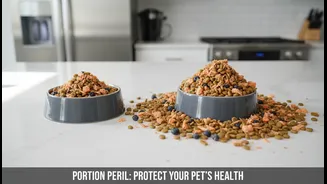
A bowl that is too deep can be uncomfortable for flat-faced breeds like Pugs, while one that's too small for a large breed like a Labrador requires constant refilling. A general rule is to choose a bowl that can comfortably hold a single serving of your pet's food without it overflowing. The bowl should be about four times the volume of the meal. For fast eaters—dogs who inhale their food in seconds—a slow-feeder bowl can be transformative. These bowls have built-in mazes or obstacles that force the animal to eat more slowly, which can reduce the risk of bloating, vomiting, and choking. It also turns mealtime into a stimulating mental puzzle.