

The Magic of Winter Carrots
The secret to the most authentic Gajar ka Halwa lies in the carrots themselves. Winter is the season for 'Delhi carrots', a specific red variety that is sweeter, juicier, and more tender than the orange carrots available year-round. This seasonal bounty
is what gives the halwa its characteristic vibrant colour and deep flavour. Harvested during the colder months, these carrots are at their nutritional peak, packed with beta-carotene, vitamin A, and fibre, making them a healthy foundation for this indulgent dessert. The tradition of using seasonal produce is a cornerstone of Indian cooking, and Gajar ka Halwa is a perfect example of turning the winter harvest into something truly special.
More Than a Dessert
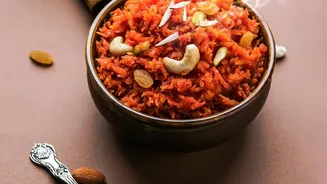
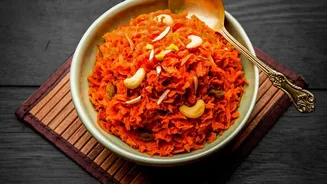
Gajar ka Halwa, also known as 'Gajrela' in Punjab, is more than just a sweet dish; it's a cultural phenomenon. Its preparation is a ritual in many households, a slow-cooked affair that fills the home with the scent of simmering milk, ghee, and cardamom. The dish is a staple during winter festivals, family gatherings, and celebrations, symbolizing warmth and togetherness. The ingredients themselves are chosen for their warming properties, according to Ayurvedic principles. Ghee, a key component, is believed to keep the body warm from within and provide sustained energy, which is especially welcome on cold, lazy days. Combined with the nourishing qualities of milk and nuts, the halwa becomes a dish that both comforts and strengthens.
A Classic Homemade Recipe
Making this winter classic at home is a rewarding experience. For a traditional preparation, you will need about one kilogram of red carrots, a litre of full-fat milk, 200-300 grams of sugar (adjusted to your taste), three to four tablespoons of ghee, and half a teaspoon of cardamom powder. Start by washing, peeling, and grating the carrots. A medium grate is best to ensure a good texture. In a heavy-bottomed pan, sauté the grated carrots in a tablespoon of ghee for about 5-10 minutes until they soften slightly. Then, pour in the milk and bring the mixture to a gentle boil. Reduce the heat and let it simmer, stirring every few minutes to prevent it from sticking. Patience is key here; the process of the milk reducing and the carrots absorbing the creaminess can take 40-50 minutes.
The Finishing Touches
Once the milk has almost completely evaporated and the mixture has thickened considerably, it's time to add the sugar. The sugar will melt and make the mixture a bit gooey again; continue to cook for another 10 minutes until it thickens. In a separate small pan, heat the remaining ghee and lightly fry a handful of chopped nuts like almonds, cashews, and pistachios until they turn golden. Add the fragrant cardamom powder and the fried nuts to the halwa, stirring everything together for a final two minutes. Some recipes also call for raisins or khoya (reduced milk solids) for extra richness. The halwa can be served warm, just as it is, or with a scoop of vanilla ice cream for an extra touch of indulgence.
Other Indian Winter Warmers
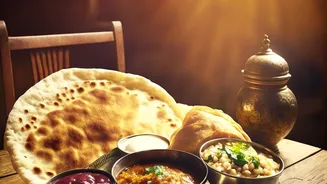
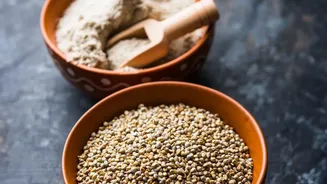
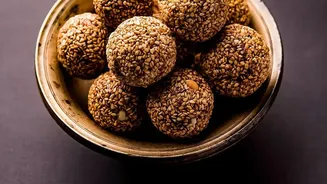
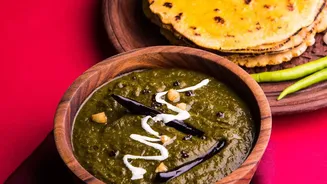
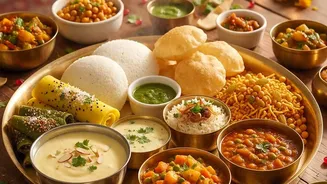
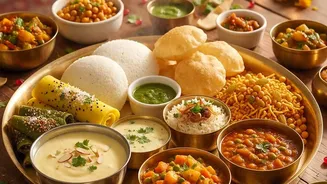
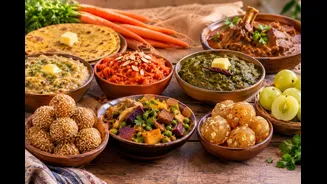
While Gajar ka Halwa is a star, Indian winters are celebrated with a wide array of other seasonal dishes. Sarson ka Saag with Makki ki Roti is a classic Punjabi meal made from mustard greens and served with maize flatbread, a combination that is both nutritious and warming. In the North, you'll also find Panjiri, a nutrient-dense mix of whole wheat flour, ghee, sugar, and nuts, known for boosting energy and immunity. For a savory one-pot meal, Bajra Khichdi, made from pearl millet, is a popular choice in regions like Rajasthan and Gujarat. And for those with a sweet tooth, Gond ke Laddoo (edible gum sweets) and Til-Gur Laddoo (sesame and jaggery balls) are other traditional treats made specifically to provide warmth and fight winter lethargy.