






The Modern Worker's Dilemma
The human body is designed for movement, yet millions of us spend the majority of our day in a static, seated position. This sedentary reality, whether at a corporate office or a home setup, places a quiet but persistent strain on our musculoskeletal
system. While we may blame a single bad chair or poor posture, the real issue is the duration of stillness. Prolonged sitting causes muscles to fatigue, circulation to slow, and stress to accumulate in the spine, particularly in the lower back and neck. Over time, this daily habit can contribute to chronic pain, stiffness, and more serious spinal issues.
Your Spine on a Chair: A Story of Compression
To understand why sitting is so problematic, we need to look at our spinal discs. These gel-filled cushions act as shock absorbers between our vertebrae. Unlike muscles, they don't have a direct blood supply; they get their nutrients through a process of fluid exchange that is driven by movement. When you sit, the pressure on your lumbar (lower back) discs increases significantly—some studies suggest by nearly 40% or more compared to standing. This constant compression squeezes fluid out of the discs and prevents them from absorbing fresh nutrients. Over hours, days, and years, this can lead to dehydration and degeneration, making discs less resilient, flatter, and more prone to injury like bulging or herniation.
The Magic of Movement: Feeding Your Discs
This is where short activity breaks come in. Movement is medicine for your discs. When you stand up, stretch, or walk, you change the mechanical load on your spine. This unloading and reloading action creates a 'pumping' effect, allowing waste products to be flushed out and nutrient-rich fluid to be drawn back into the discs. This rehydration process is vital for maintaining disc height, elasticity, and overall spinal alignment. Even just 30 to 60 seconds of movement can interrupt the static pressure, improve blood flow to supporting muscles, and give your spinal structures a much-needed reset.
What Counts as an 'Activity Break'?
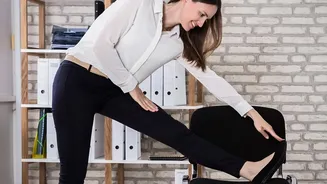
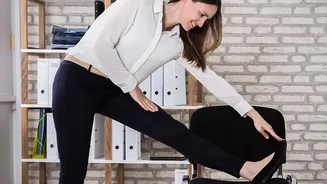
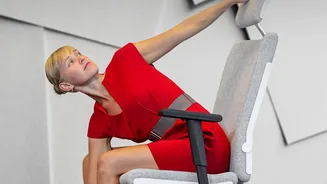
The good news is you don't need to run a marathon during your lunch hour. The most effective strategy is to take 'microbreaks'—short, simple movements—every 20 to 30 minutes. These breaks are not about intense exercise but about changing your position. Stand up during a phone call, walk to get a glass of water, or perform a few simple stretches at your desk. Try some overhead arm reaches, gentle spinal twists while seated, or a few air squats to activate your glutes and leg muscles. The goal is simply to break the cycle of prolonged sitting and reintroduce motion back into your day.
Building a Spine-Friendly Routine
Incorporating this habit requires a conscious effort at first. Set a timer on your phone or use a browser extension to remind you to get up. Try 'habit stacking' by linking a movement break to an existing routine, like standing up to stretch after every email you send. Make your environment work for you by placing your printer or water bottle across the room, forcing you to walk. These small, consistent interruptions are far more beneficial for your spine than one intense workout at the end of a long, sedentary day. They reduce muscle fatigue, improve focus, and, most importantly, protect the long-term integrity of your spinal discs.