





The Right Foundation: Soil and Pots
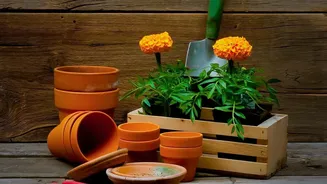
The success of your potted plants begins with the right container and soil. For most flowering plants and vegetables, a well-draining pot is crucial to prevent root rot. Ensure any container you choose, whether clay, plastic, or a grow bag, has at least
one drainage hole. A pot with a diameter of 8-12 inches is a good starting point for a single plant. For a basic, effective potting mix suitable for the Indian climate, combine garden soil, compost or vermicompost, and cocopeat. A popular ratio is one part soil, one part compost, and one part cocopeat, which provides structure, nutrients, and moisture retention. This lightweight mix allows roots to breathe and prevents the soil from becoming hard and compacted.
Marigolds: Flowers for the Festive Season
Marigolds, or 'genda', are a staple in Indian households, especially with Diwali around the corner. Growing them in pots is simple and rewarding. Choose a location that receives at least six hours of direct sunlight, as this is essential for abundant blooms. Use a well-draining potting mix. Water the plant when the top inch of soil feels dry, watering deeply until it runs from the drainage hole, and then allow the soil to dry out before the next watering. To encourage a bushier plant with more flowers, pinch off the tips of young plants and regularly remove spent flowers, a practice known as 'deadheading'. For fertilizer, a balanced liquid feed can be applied monthly, but avoid over-fertilizing, which can lead to more leaves than flowers.
Chrysanthemums: The Queens of Winter
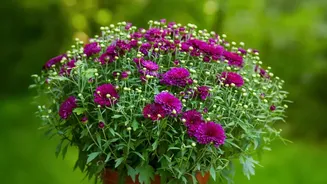
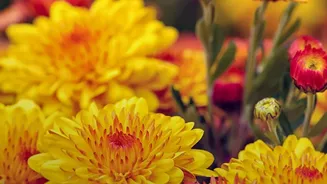
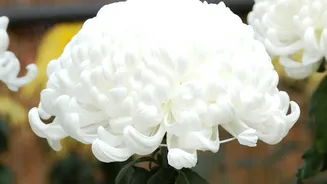
Chrysanthemums, known as 'Guldaudi' or 'Shevanti', produce spectacular blooms from October to February. Like marigolds, they are sun-lovers and need five to six hours of direct sun for the best results. They have shallow root systems, so while they need consistent moisture, they are sensitive to overwatering. Water when the top layer of soil is dry. These plants are heavy feeders. To support their blooming, you can apply a balanced fertilizer monthly during their growing season. Removing faded flowers will encourage the plant to produce more buds and extend its flowering period. With hundreds of varieties available, from the ball-shaped pompons to the elegant spider mums, you can create a stunning winter display.
Winter Spinach: A Fresh Green Harvest
October is the ideal time to sow winter spinach, or 'palak', seeds in most parts of India, as the cooler weather enhances its flavour. Spinach has shallow roots and grows well in pots that are 6-8 inches deep and at least 8-10 inches wide. Fill your pot with a loose, fertile soil mix rich in compost. Sow the seeds about half an inch deep, cover them lightly with soil, and water gently. The seeds should germinate in about 5 to 14 days. Keep the pot in a location that gets 4-6 hours of sun. The key to tender leaves is keeping the soil consistently moist but not waterlogged. You can start harvesting the outer leaves once the plant has six to eight true leaves, allowing the centre to continue producing for a continuous supply through the winter.