






The Final Scene
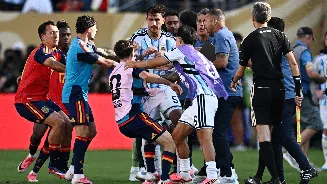
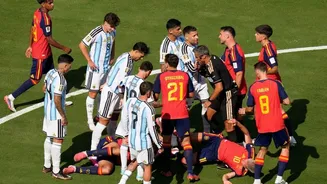
The atmosphere in New Jersey's MetLife Stadium was electric. Argentina, the defending champions, were facing a formidable Spanish side in the 2026 FIFA World Cup final. For 90 minutes, the match was a tense, cagey affair. Spain dominated possession with
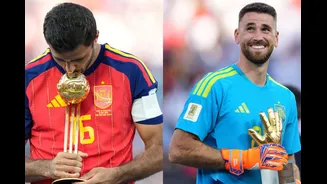
their signature high-pressing style, while Argentina defended with grim determination. Goalkeeper Emiliano Martínez was heroic, making a string of saves that kept his nation's hopes alive. Despite the onslaught, Argentina held firm, and as the match entered extra time, the dream of becoming the first nation since 1962 to win back-to-back World Cups was still within reach.
The Tactical Blunder
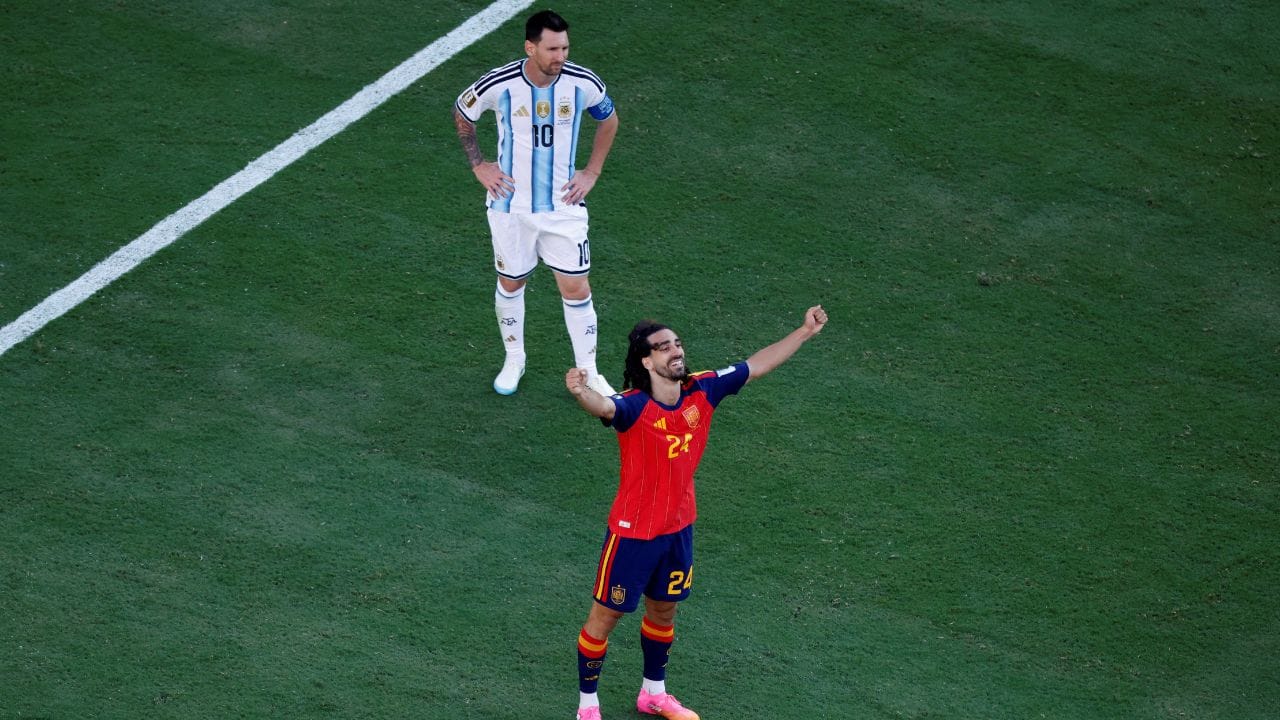
The mistake wasn't a missed penalty or a defensive error on the pitch. According to a growing consensus of analysts, the critical failure was a strategic one from the sidelines. Argentina's game plan throughout the final was staggeringly negative. They failed to register a single shot in normal time. Instead of leveraging the genius of Lionel Messi, the team seemed content to absorb pressure and play for penalties. This ultra-defensive mindset, designed to disrupt Spain's rhythm, ultimately starved Argentina of any attacking impetus. The team that had thrilled with dramatic comebacks throughout the tournament retreated into a shell when it mattered most.
An Inevitable Outcome
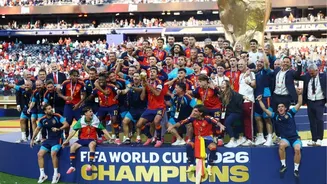
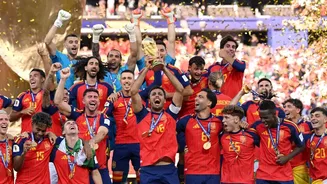
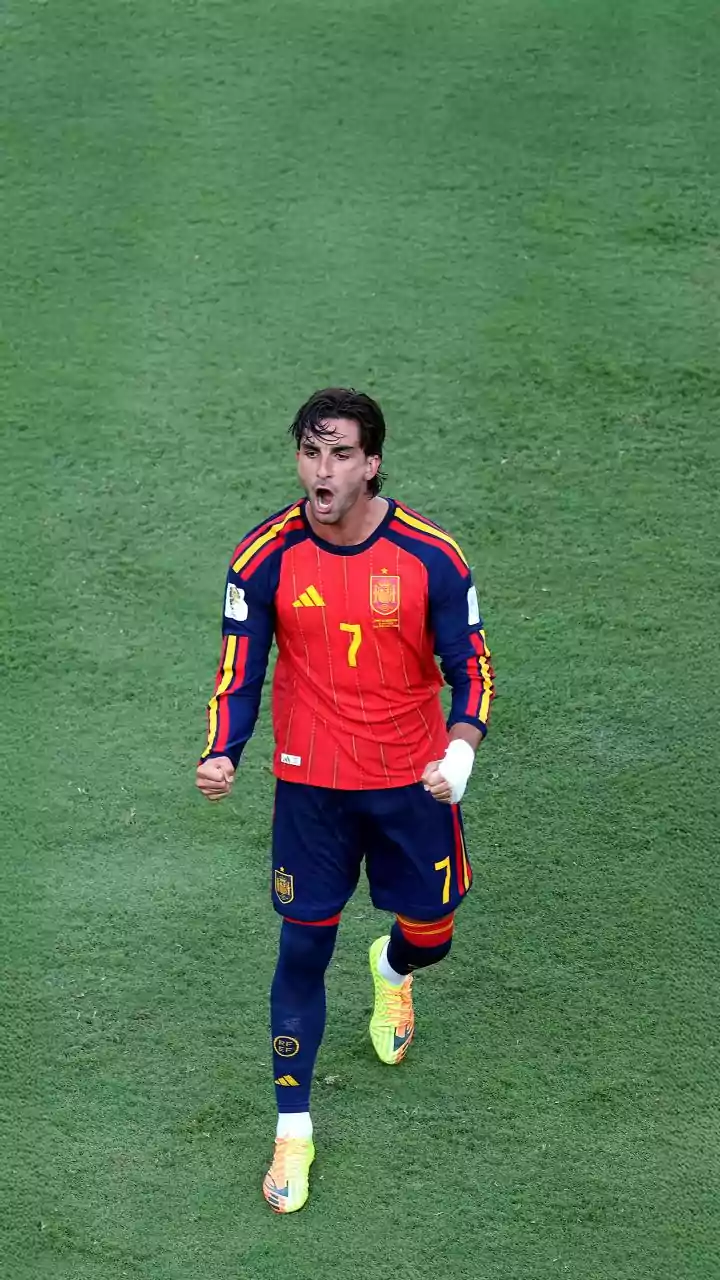
The strategy backfired completely. Playing with such little ambition handed the initiative entirely to Spain. Argentina’s lack of creativity meant Messi was isolated and unable to influence the game. The pressure eventually told. In the 106th minute of extra time, Ferran Torres found the back of the net for Spain, scoring the decisive goal that secured their second World Cup title. By the time Argentina finally attempted to attack, it was too little, too late. Their first shot of the entire match came only after Spain had scored, a damning statistic that highlights the flawed approach.
A Failure of Nerve
The fallout was immediate. Pundits and fans alike questioned the timid tactics. A team possessing one of the greatest players of all time had played as if they were afraid to win. This was a stark contrast to their semi-final comeback against England and their resilient journey to the final. The ultra-defensive posture was seen by many as a failure of nerve, a betrayal of the attacking spirit that had defined their 2022 triumph. Even with Messi on the field, a player who had scored eight goals in the tournament, the team was reduced to a reactive, powerless unit in the final.
A Legacy Defined by a 'What If'
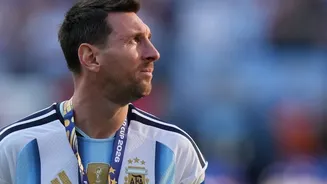
In the end, Lionel Messi collected a runners-up medal, his face etched with tears. This defeat does not tarnish his legacy as arguably the greatest player in history; his performance throughout the tournament was sensational. However, the manner of the final loss adds a painful chapter to his storied career. It wasn't an opponent's brilliance alone that denied him, but his own team's baffling refusal to seize the moment. The decision to play for survival rather than victory will be debated for years, a heartbreaking 'what if' in the final act of Messi's incredible World Cup journey.