


Go Beyond a Basic Weather App
While a standard weather app on your phone is useful for a quick glance, it doesn’t provide the detailed information necessary for monsoon travel in India. Your primary resource should be the India Meteorological Department (IMD). The IMD issues district-level,
colour-coded warnings (Green, Yellow, Orange, and Red) that signify the potential impact of rainfall. An orange alert advises you to be prepared for disruptions, while a red alert signals a need for action and the possibility of severe weather that could disrupt travel and pose a safety risk. You can access these detailed forecasts on the official IMD website, mausam.imd.gov.in, or through its 'Mausam' app. These platforms provide specific warnings about heavy rainfall, thunderstorms, and strong winds, which are crucial for planning.
Monitor Local and Regional Advisories
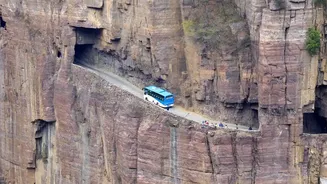
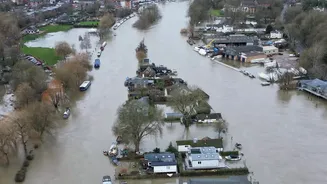
National forecasts are a great starting point, but conditions on the ground can vary dramatically. Many travel risks, like landslides and flash floods, are highly localized. Before and during your trip, it's vital to check advisories from the National Disaster Management Authority (NDMA) and the respective State Disaster Management Authorities (SDMAs). These agencies provide real-time updates on road closures, especially in vulnerable areas like the Himalayas and the Western Ghats. Mountainous regions in states like Himachal Pradesh, Uttarakhand, and parts of Jammu & Kashmir are particularly prone to landslides during heavy rain, often leading to road blockages that can last for days. Similarly, coastal and low-lying areas can experience significant waterlogging and flooding. Always have a backup plan and avoid travelling to areas under a high alert.
Pack Smart for Unpredictable Conditions
Packing for a monsoon trip requires a different approach. Your luggage should be waterproof, or at least have a reliable waterproof cover. Use zip-lock pouches or dry bags to protect your electronics, documents, and cash from moisture. When it comes to clothing, prioritize synthetic, quick-drying fabrics over cotton. A lightweight raincoat or poncho is more practical than an umbrella, which can be useless against strong winds. Sturdy, waterproof footwear with a good grip is non-negotiable to navigate slippery paths and wet terrain; avoid casual flip-flops. Also, pack a first-aid kit with essentials for common monsoon ailments like colds, fungal infections, and stomach issues, along with a reliable insect repellent.
Prioritise Health and Hygiene
The monsoon season sees an increased risk of water-borne and vector-borne diseases. Be extremely cautious about what you eat and drink. Avoid street food, especially items that have been left uncovered, and drink only bottled or properly purified water. Even ice in drinks can be a source of contamination. To prevent mosquito-borne illnesses like dengue and malaria, use repellent, wear long-sleeved clothing during the evenings, and consider sleeping under a mosquito net. Always wash your hands frequently and change out of wet clothes as soon as possible to prevent fungal infections and other skin issues. Entering a cold, air-conditioned room while your clothes or hair are damp can increase your chances of falling ill.
Build Flexibility into Your Itinerary
Rigid schedules and the monsoon do not mix. Weather-related delays and cancellations for flights, trains, and road journeys are common. It’s wise to build buffer days into your travel plan to accommodate unforeseen disruptions. When booking hotels and transport, opt for refundable or flexible options where possible. This gives you the freedom to change your plans if a weather warning is issued or if a route becomes unsafe. Consider purchasing travel insurance that specifically covers weather-related cancellations and medical emergencies. A flexible mindset is your best travel companion; sometimes, the best plan is to relax at your hotel with a hot cup of tea and enjoy the rain from a safe distance.