








A New Chapter for City Pets
Traditionally, municipal pet registration in India has focused almost exclusively on dogs. However, cities are beginning to widen the net. Ahmedabad, for instance, recently made it mandatory for cat owners to register their pets, following the framework
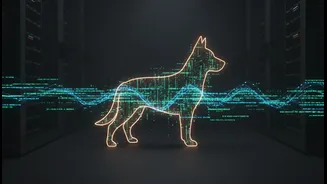
already in place for dogs. This move is part of a growing recognition that all companion animals, not just canines, are part of the urban ecosystem. This expansion is driven by a larger goal: creating a comprehensive database that serves not just as a record of ownership, but as a tool for public health and animal welfare management. While there is no single national law, local municipal corporations in major cities like Delhi, Mumbai, Bengaluru, and Chennai have been strengthening their registration mandates, which are increasingly seen as a cornerstone of responsible pet ownership.
From Simple License to Public Health Tool
The core of this transformation lies in treating registration data as a public health asset. Mandatory registration is intrinsically linked to vaccination proof, especially for rabies, a disease that remains a significant concern in India. By ensuring every registered pet has an up-to-date vaccination record, municipalities can effectively monitor and manage community-wide immunity, protecting both animals and humans. This system is a key component of national strategies like the National Action Plan for Dog Mediated Rabies Elimination by 2030 (NAPRE), which Ahmedabad cited in its decision to include cats. These databases allow authorities to track pet populations, plan for veterinary infrastructure, and manage potential disease outbreaks more effectively, turning a simple license into a line of defence.
The Technology Driving the Change
This evolution is powered by technology. Most major cities now offer online portals for pet registration, simplifying what was once a cumbersome process. Pet owners can upload documents, pay fees, and receive their registration certificates digitally. Beyond simple online forms, some cities are encouraging or mandating the use of microchips. A microchip provides a permanent, tamper-proof identity for a pet. When scanned, it links back to the owner's details in the municipal database, making it an invaluable tool. This digital infrastructure is similar in concept to the national systems being developed for livestock, like the National Digital Livestock Mission, which uses unique IDs to trace and manage animal health on a massive scale. For pets, it means faster reunifications and better data for welfare organisations.
A Lifeline for Lost Pets
One of the most immediate and tangible benefits for a pet owner is the vastly improved chance of finding a lost animal. A registered pet, especially one with a microchip or a registration tag, is no longer an anonymous stray if it gets lost. Anyone who finds the animal—a neighbour, a veterinarian, or an animal shelter—can use the information to quickly contact the municipal authority and, in turn, the owner. This system transforms a frantic, heartbreaking search into a structured process with a much higher likelihood of a happy ending. It establishes clear legal ownership, which can be crucial in resolving disputes, and provides peace of mind that a lost companion can be traced back home.
Challenges and the Road Ahead
Despite the clear benefits, the path to comprehensive pet registration is not without its obstacles. Public awareness remains a significant hurdle, with many pet owners unaware of the requirements or viewing them as an inconvenience. In cities like Hyderabad, response to registration drives has been lukewarm, partly due to cumbersome initial procedures and a lack of trust. Enforcement is also inconsistent across different regions, with many owners failing to comply without consequence. Critics point to clunky online portals and a lack of clear communication from authorities as major barriers. For the system to truly become effective infrastructure, municipalities must not only create the rules but also build public trust, streamline the process, and demonstrate the tangible benefits of a well-managed, all-encompassing pet database.