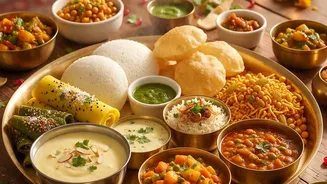

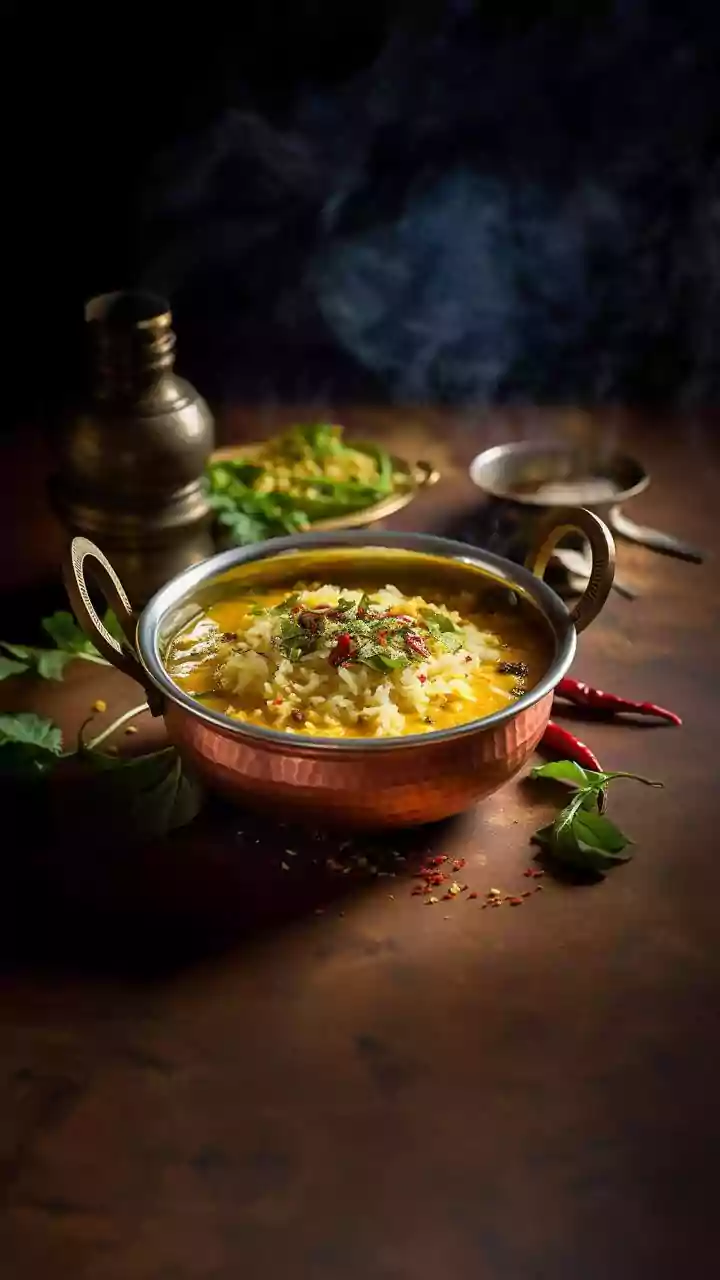
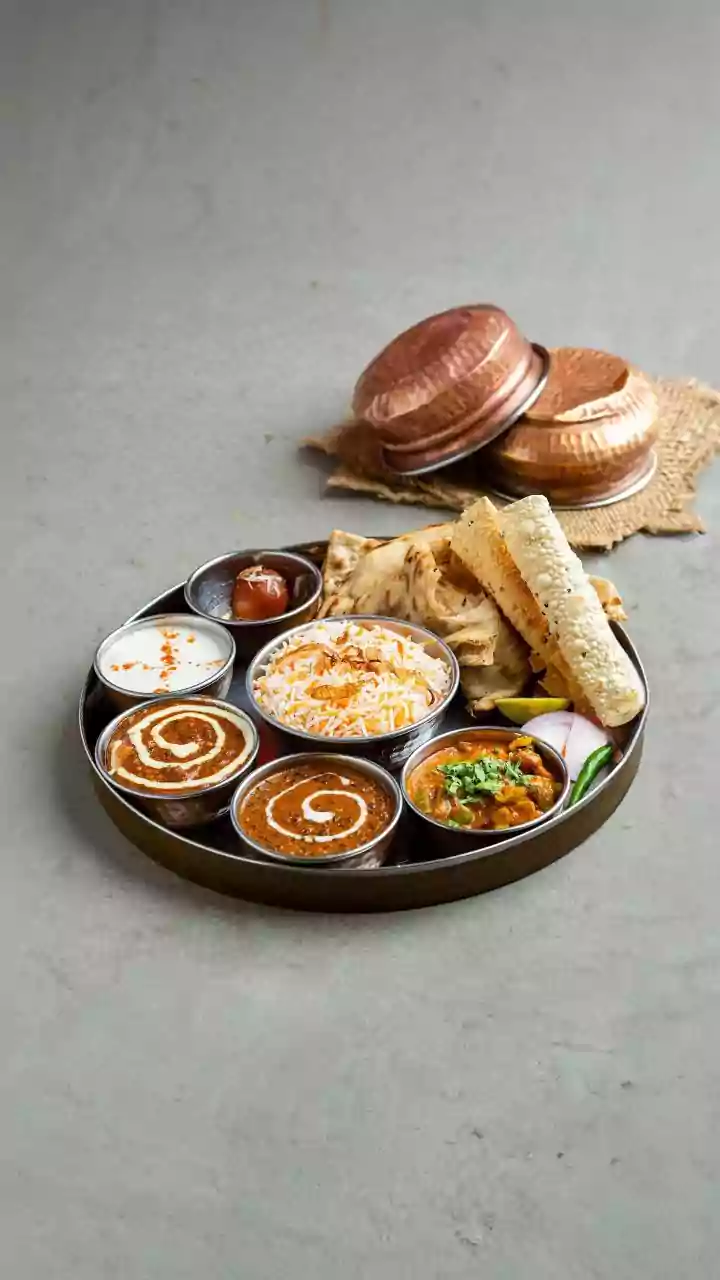


A Deliciously Modern Festive Plate
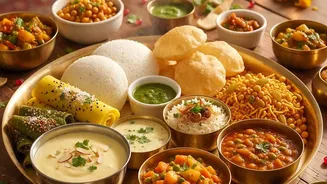
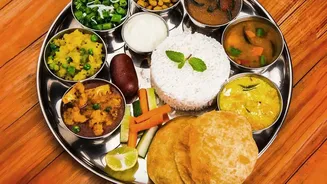
Across India, the festive food landscape is undergoing a quiet but delicious revolution. While timeless classics like gajar ka halwa, puran poli, and samosas remain the heart of the celebration, a new layer of creativity is being added. Home cooks, once
bound by generations-old recipe books, are now experimenting with global ingredients to give familiar dishes an exciting, contemporary twist. The result is a menu that respects tradition while embracing a more global palate. Think of bite-sized gulab jamun churros, which marry a Spanish favourite with an Indian classic, or a rich, creamy tiramisu layered with coffee-soaked rasgullas instead of ladyfingers. These aren't just novelty items from high-end sweet shops; they are creations born in everyday kitchens, shared among family and friends, and quickly becoming the new festive staples for a younger, more adventurous generation.
What’s Driving the Fusion Fever?
This trend isn't happening in a vacuum. It’s fuelled by a confluence of cultural and technological shifts. The internet, particularly social media, has given home cooks a window into global culinary trends, making once-exotic ingredients and techniques feel accessible. A cook in Lucknow can now easily find a recipe for paneer tacos with a smoky chipotle sauce or get inspired to make a tandoori-style pizza. Furthermore, increased international travel and a growing Indian diaspora have exposed more people to a wider range of flavours. This exposure has cultivated a curiosity and an appetite for dishes that are both comforting in their familiarity and exciting in their novelty. The younger generation, in particular, is looking for ways to put their own stamp on traditions, and food is a natural and expressive medium for this. They are not rejecting their grandmother's recipes, but rather, building upon them.
From Savoury Snacks to Decadent Desserts
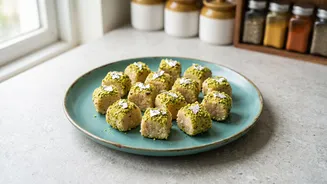
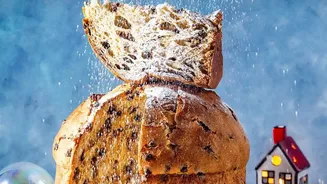
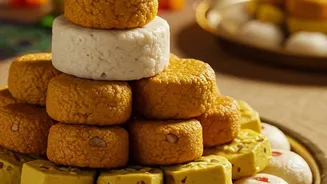
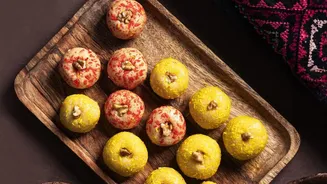
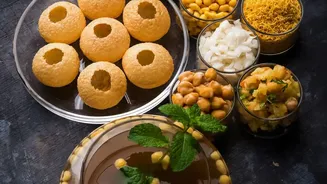
The fusion experiments span the entire festive menu. For appetisers, the humble samosa might get a filling of spicy paneer and corn, reminiscent of a Tex-Mex taquito. Classic chaat is being reimagined with global ingredients, resulting in creations like Mexican bhel, which swaps out tamarind chutney for salsa. The main course is also seeing creative interpretations. Imagine a Christmas dinner featuring a Tandoori-spiced turkey or a rich Butter Chicken Wellington, where the beloved curry is encased in flaky puff pastry. But it is in the realm of sweets, or 'mithai', that the fusion trend truly shines. Traditional barfi is being infused with flavours like coffee or layered with Oreo cookies. The beloved rasmalai is being deconstructed and reimagined as a delicate cheesecake or a multi-layered cake. Even the classic gulab jamun is finding new life, stuffed inside cupcakes or simply baked into a sweet, cardamom-scented bread.
An Evolution, Not a Replacement
Some might worry that this trend dilutes the authenticity of Indian culinary traditions. However, a closer look reveals that Indian cuisine has always been a product of fusion. Over centuries, it has absorbed influences from Mughal, Persian, British, and Portuguese cooking, each leaving an indelible mark. The use of potatoes, tomatoes, and chillies—now considered fundamental to Indian food—was itself a result of the Columbian exchange. The current wave of fusion is simply the next chapter in this long history of culinary adaptation. It reflects a confident, modern India—one that is deeply connected to its roots but also open to the world. These new dishes are not replacing the classics but are being served alongside them, creating a richer, more diverse festive table that has something for everyone.