






The Current State of Food Testing
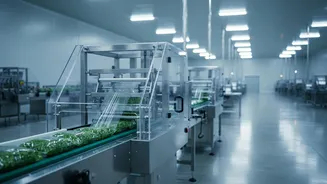
For decades, ensuring food safety in India has relied on a network of fixed laboratories. When a food safety officer collects a sample—be it from a restaurant, a packaged goods manufacturer, or an import consignment—it is sent to a designated lab for
analysis. These labs are equipped with sophisticated machinery to conduct detailed chemical and microbiological tests. While thorough, this system has inherent limitations. The process can be time-consuming, with results taking days or even weeks. This delay can mean that by the time a product is found to be unsafe, it may have already been consumed. Furthermore, the number and spread of these high-end labs are insufficient to cover the vast and diverse Indian food market, especially in remote and rural areas.
Enter 'Food Safety on Wheels'
The proposed expansion is centred around a key initiative: 'Food Safety on Wheels' (FSW). These are not just transport vehicles, but fully equipped mobile food testing labs. FSSAI has already been deploying these units to enhance surveillance, but the new rules aim to formalise and expand their role significantly. As of mid-2026, over 300 such vans are already active across the country. The goal is to make food testing more accessible, responsive, and widespread. These mobile units are designed to reach markets, street food hubs, and public gatherings, providing on-the-spot preliminary testing capabilities that were previously impossible.
What Can Mobile Labs Test For?
These mobile labs are equipped to perform rapid tests for common adulterants and quality issues. This includes checking for harmful chemicals, artificial colours, and preservatives in items like milk, edible oils, spices, and water. The equipment on board, often in the form of Rapid Analytical Food Testing (RAFT) kits, allows for quick, qualitative analysis. This means they can quickly determine if a substance is present, rather than conducting a full quantitative breakdown, which would still require a fixed lab. The primary purpose of these mobile tests is for screening and surveillance, enabling immediate action if a problem is detected.
Why This Shift is Necessary
FSSAI's push for mobile testing is driven by a need for a more agile and preventative food safety system. The key objective is speed. On-the-spot testing allows officials to take immediate corrective action against non-compliant food businesses, preventing unsafe products from reaching consumers. This is particularly crucial for the unorganised sector, like street food vendors, where the traditional lab-based system is often too slow to be effective. The initiative also serves as a tool for consumer education and vendor training, promoting better hygiene and food handling practices at the grassroots level. By increasing the visibility of testing, FSSAI hopes to build consumer confidence and create a stronger culture of food safety.
The Broader Regulatory Context
This move is part of a wider effort by FSSAI to modernise India's food safety ecosystem. Recent regulatory changes have focused on speeding up lab reporting times for imports, adopting global testing standards, and using technology for better traceability. The regulator is also encouraging consumers to become active participants by reporting issues through its 'Food Safety Connect' mobile app. By combining enhanced fixed-lab capabilities with a flexible, far-reaching mobile fleet, FSSAI aims to create a multi-layered surveillance network that is faster, more efficient, and better suited to the complexities of India's modernising food supply chain.
Challenges and the Road Ahead
While the expansion of mobile testing holds immense promise, it is not without challenges. Ensuring the accuracy and reliability of rapid testing kits is paramount. The results from these kits are primarily for screening, and confirmatory tests will still need to be conducted in NABL-accredited laboratories for legal action. Training personnel to operate the equipment correctly and interpret results accurately across the country will be a significant logistical task. However, the direction is clear. The future of Indian food safety will not be confined to the walls of a laboratory. It will be a dynamic system that brings testing capabilities directly to the source, aiming to make food safer for everyone, everywhere.