





Understanding The Risks of Monsoon Travel
The rainy season transforms India into a vibrant green paradise, but it also brings significant travel challenges. Heavy rainfall can lead to flash floods, landslides, and waterlogged roads, especially in hilly and coastal regions. Transportation can be
severely disrupted, with flight delays, cancelled trains, and impassable highways becoming common. Mountainous areas in states like Uttarakhand, Himachal Pradesh, and parts of the Western Ghats become particularly vulnerable to landslides, making road travel hazardous. Coastal areas face threats from cyclones, rough seas, and high tides, making beach activities unsafe. These risks don't mean you should cancel your plans, but they do require a more cautious and informed approach to your travel itinerary.
Smart Destination Choices: Where to Go
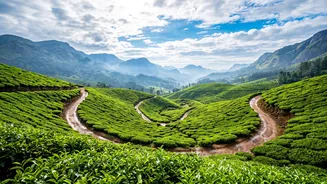
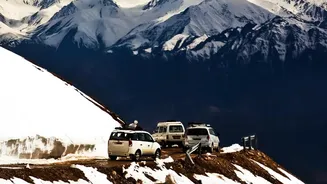
Choosing the right location is the single most important decision for a safe monsoon holiday. Some areas are not only safe but are at their most beautiful during the rains. Destinations in the rain-shadow region of the Western Ghats, for instance, receive significantly less rainfall. Places like the eastern slopes of the Ghats and parts of the Deccan Plateau are good options. Rajasthan, including cities like Udaipur, becomes incredibly romantic as lakes fill up and the arid landscape gets a fresh green tint. Similarly, destinations like Lonavala, Coorg, and parts of Tamil Nadu such as Kodaikanal are popular and generally well-managed monsoon getaways, though it's always wise to check local conditions. The trans-Himalayan regions of Ladakh and Spiti Valley are excellent choices as they lie in a rain-shadow area and remain mostly dry and accessible during these months.
High-Risk Zones: Where to Avoid
Certain regions are best avoided during the peak monsoon months of July and August. The Himalayan states of Uttarakhand and Himachal Pradesh are highly prone to landslides, with routes to places like Manali, Shimla, Mussoorie, and Nainital often facing blockages. The Char Dham pilgrimage routes are also at high risk. In the North East, states like Sikkim and Arunachal Pradesh can experience severe rains that cut off connectivity. Recent weather alerts have also flagged heavy rainfall in Odisha and Chhattisgarh. In the south, while many parts of Kerala are beautiful, high-risk zones like Wayanad and Munnar have experienced landslides during periods of intense rain and may have travel restrictions. Always check for active weather warnings from the India Meteorological Department (IMD) before finalizing plans.
Timing Is Everything: Navigating the Monsoon Window
The Indian summer monsoon typically progresses from late May or early June in the south and moves northward, covering the country by mid-July, before retreating around September. The peak intensity is usually in July and August. To minimise risk, consider travelling during the shoulder periods. Planning a trip in early June can let you experience the dramatic onset of the rains without the accumulated saturation that leads to landslides later. Alternatively, September is an excellent month. The heaviest rains have often subsided, but the landscape remains lush, rivers and waterfalls are full, and the weather is pleasant. A flexible itinerary with buffer days is crucial, as weather can be unpredictable and cause delays.
An Essential Pre-Travel Checklist
Once you've chosen your destination and timing, a few final checks will ensure a smoother journey. Always monitor weather forecasts from reliable sources like the IMD right up until your departure. Pack smart: include quick-drying clothes, a reliable raincoat, waterproof footwear, and waterproof bags or covers for your electronics and documents. Carry a basic first-aid kit with medications for common ailments, as well as a potent insect repellent. It's also wise to avoid street food and drink only bottled or purified water to prevent water-borne illnesses, which are more common in this season. Finally, keep emergency contact numbers handy and ensure your phone and a power bank are fully charged before you set out on any local excursions.