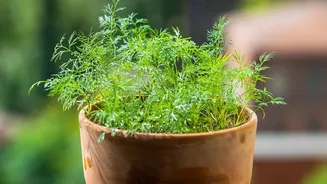



The Freshness Advantage
We’ve all been there: a recipe calls for a tablespoon of fresh herbs, so you buy a whole bunch, only for the rest to wilt in the fridge. Growing your own eliminates this waste and cost. But the biggest win is flavour. Fresh herbs offer a bright, vibrant,
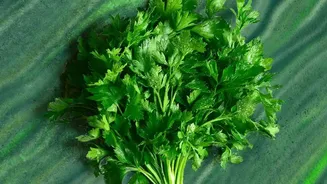
and nuanced taste that their dried counterparts, while convenient, often lack. The drying process can diminish the delicate notes of herbs like parsley and coriander. When you cook with herbs plucked just moments before, you capture their essential oils at their peak, delivering an aromatic punch that can elevate a simple meal into something special. Fresh herbs also retain more of their nutritional value, offering a small boost of vitamins with every garnish.
Your Starter Herb Garden: Five Indian Essentials
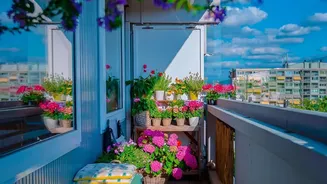
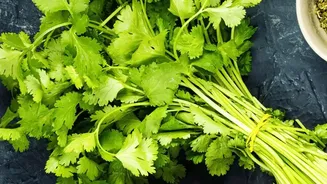
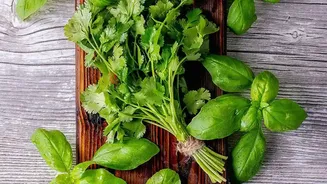
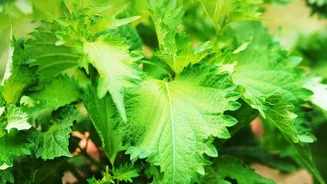
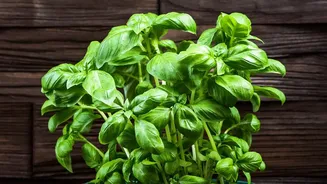
Starting a herb garden doesn't require a large space or a green thumb. A sunny balcony or windowsill is all you need for these essentials of Indian cuisine. 1. Coriander (Dhania): The undisputed king of garnishes, fresh coriander brightens everything from curries to raitas. It grows quickly from seeds and prefers moist soil and good sunlight. 2. Mint (Pudina): Perfect for chutneys, drinks, and garnishing biryanis, mint is famously easy to grow. It's a vigorous plant, so it's best to give it its own pot to prevent it from taking over. 3. Holy Basil (Tulsi): A staple in many Indian homes for its cultural and medicinal value, Tulsi is also a wonderful culinary herb. Its leaves can be added to tea or used to make a flavourful kadha. It thrives in direct sunlight. 4. Curry Leaves (Kadi Patta): Essential for tadkas in South Indian cooking, having a curry leaf plant means a constant supply. This plant enjoys full sun and well-drained soil. You can grow it in a deep pot. 5. Lemongrass: While not a traditional small pot herb, a larger container can house this fragrant plant. Its stalks infuse soups, teas, and curries with a unique citrusy flavour.
Setting Up for Success
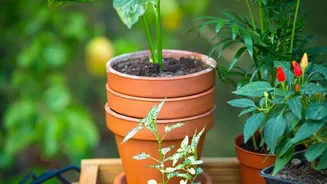
To begin, you don’t need much. Select pots with good drainage holes to prevent waterlogging, which most herbs dislike. Terracotta pots are an excellent choice because their porous nature allows soil to dry out more evenly. Use a well-draining potting mix available at any local nursery. The single most important factor for a thriving indoor herb garden is light. Most herbs require at least six to eight hours of sunlight each day. A south or west-facing window is ideal. If your home lacks sufficient natural light, a simple LED grow light can be a game-changer. Remember to rotate your pots weekly to ensure all sides of the plant receive light.
Simple Care for Big Rewards
The most common mistake novice gardeners make is overwatering. Indoor herbs need less water than outdoor plants because the soil stays moist for longer. A good rule is to check the soil with your finger; if the top inch feels dry, it's time to water. Water until it runs out of the drainage hole, then wait for the soil to dry out again before the next watering. Harvesting is not just for your kitchen; it’s also crucial for the plant’s health. Regularly snipping the leaves encourages the plant to grow bushier and produce more foliage. Don't be shy—the more you use your herbs, the better they will grow.
From Pot to Plate
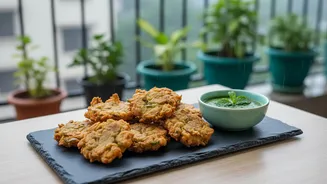
The true joy of an herb garden is integrating it into your daily cooking. Muddle fresh mint leaves with lemon and sugar for a refreshing summer drink. Make a vibrant green chutney by blending coriander and mint leaves with chillies and spices. Brew a soothing cup of Tulsi tea to start your day or ward off a cold. Toss a few curry leaves into hot oil to create a fragrant tadka for your dal or sambar. The possibilities are endless, and the convenience of having these flavours at your fingertips will fundamentally change the way you cook.