

A New Blueprint for Lunar Living
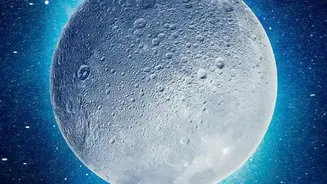
Scientists have taken a monumental step towards making lunar colonies a reality by creating a comprehensive map pinpointing accessible water ice at the Moon's south pole. This isn't just a confirmation that water exists, a fact we've known for some time.
Instead, this new map details the location and, crucially, the accessibility of these frozen deposits. Previous missions identified the presence of hydrogen, a strong indicator of water, in the permanently shadowed craters of the lunar poles. However, this latest breakthrough provides a much higher-resolution guide, distinguishing between deeply buried ice and deposits closer to the surface, which are far more viable for future extraction. By using advanced remote sensing data and sophisticated modeling, researchers have provided mission planners with a practical guide to the Moon's most valuable resource.
The In-Situ Gold Rush
Why is this water ice considered the ultimate lunar resource? The answer lies in the concept of in-situ resource utilization (ISRU), a fancy term for living off the land. Transporting materials from Earth is incredibly expensive; launching a single kilogram of anything to the Moon can cost a fortune. Having a local source of water completely changes the economics and logistics of space exploration. First, it provides drinking water and water for growing food. Second, and perhaps more importantly, water (H2O) can be split through electrolysis into its component parts: oxygen for breathable air and hydrogen, which, when combined with oxygen, creates a powerful rocket propellant. This means a lunar base could one day refuel its own rockets for return trips to Earth or for missions deeper into the solar system.
From Map to Mining
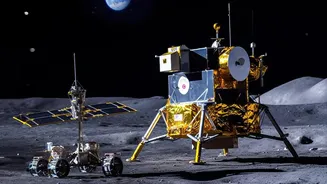
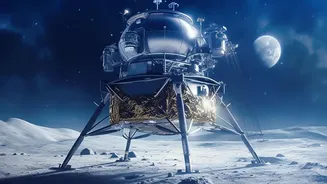
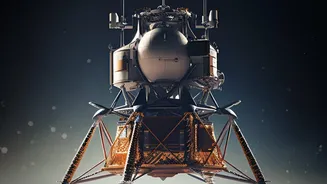
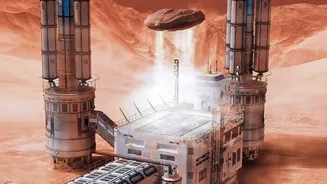
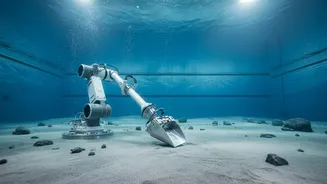
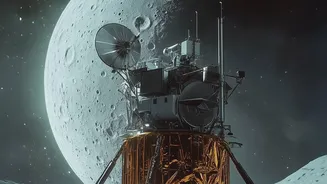
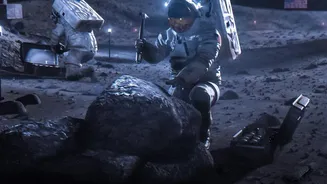
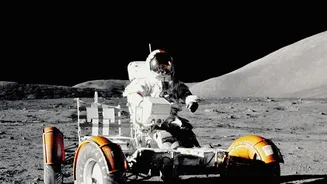
This new map is a direct answer to the prayers of engineers designing the next generation of lunar hardware. With it, they can now strategically select landing sites for missions like NASA's Artemis program, ensuring rovers and astronauts are placed as close as possible to these resource-rich zones. The data will inform the design of extraction rovers, which face the daunting challenge of operating in some of the coldest places in the solar system. These permanently shadowed craters are pitch-black and can plunge to temperatures below -250°C. Engineers must develop technology, like microwave heating or specialized drills, that can function in this extreme environment to heat the frozen regolith (lunar soil) and capture the released water vapor.
Challenges in the Cold Darkness
Despite the optimism, the path from mapping to extraction is filled with hurdles. The water ice is not a clean, solid sheet like a frozen lake on Earth. Instead, it's believed to be mixed in with lunar soil, possibly in concentrations from a few percent up to 30% by weight. This makes mining and processing it a complex industrial activity. Recent studies using innovative seismic techniques are helping to predict what this underground mixture might be like. By simulating small 'moonquakes,' scientists can analyze how vibrations travel differently through dry soil versus ice-stiffened soil, giving them a better idea of what to expect before drilling even begins. This groundwork is crucial for developing efficient and robust extraction machinery that won't fail in the harsh lunar conditions.
Paving the Way for a Lunar Economy
The long-term vision extends beyond a simple scientific outpost. This map is one of the foundational documents for a future lunar economy. A reliable supply of water transforms the Moon from a place to visit into a place to stay. It enables the possibility of commercial operations, from refueling spacecraft to supporting long-duration scientific research. Missions like NASA's upcoming VIPER rover are designed to be the next step, moving from orbital mapping to ground-truthing. VIPER will physically drill into the surface at the south pole, analyzing the composition and concentration of the ice deposits that this new map has helped identify. Each piece of data gathered brings us closer to a sustainable human presence on our celestial neighbor, turning science fiction into engineering fact.