


1. Prepare Your Vehicle Before You Leave
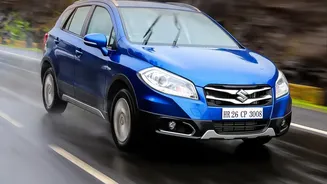
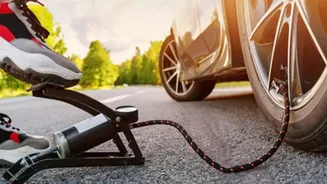
A safe journey begins before you even turn the key. Your vehicle is your first line of defence against rainy hazards, so a quick pre-monsoon check-up is essential. First, inspect your tyres. Worn-out tyres are a major cause of accidents on wet roads as
they struggle to grip the surface and are more prone to hydroplaning. Ensure your tyres have adequate tread depth to channel water away effectively. Next, check your brakes. Rainy conditions naturally increase stopping distances, and you don't want to discover your brakes are underperforming during an emergency. Finally, ensure all your lights are working – headlights, taillights, and indicators. In a downpour, visibility drops dramatically for everyone. Functioning lights are crucial not just for you to see, but for other drivers, riders, and pedestrians to see you. A clean windshield and a functional defogger are also non-negotiable for maintaining a clear view of the road ahead.
2. Slow Down and Increase Your Following Distance
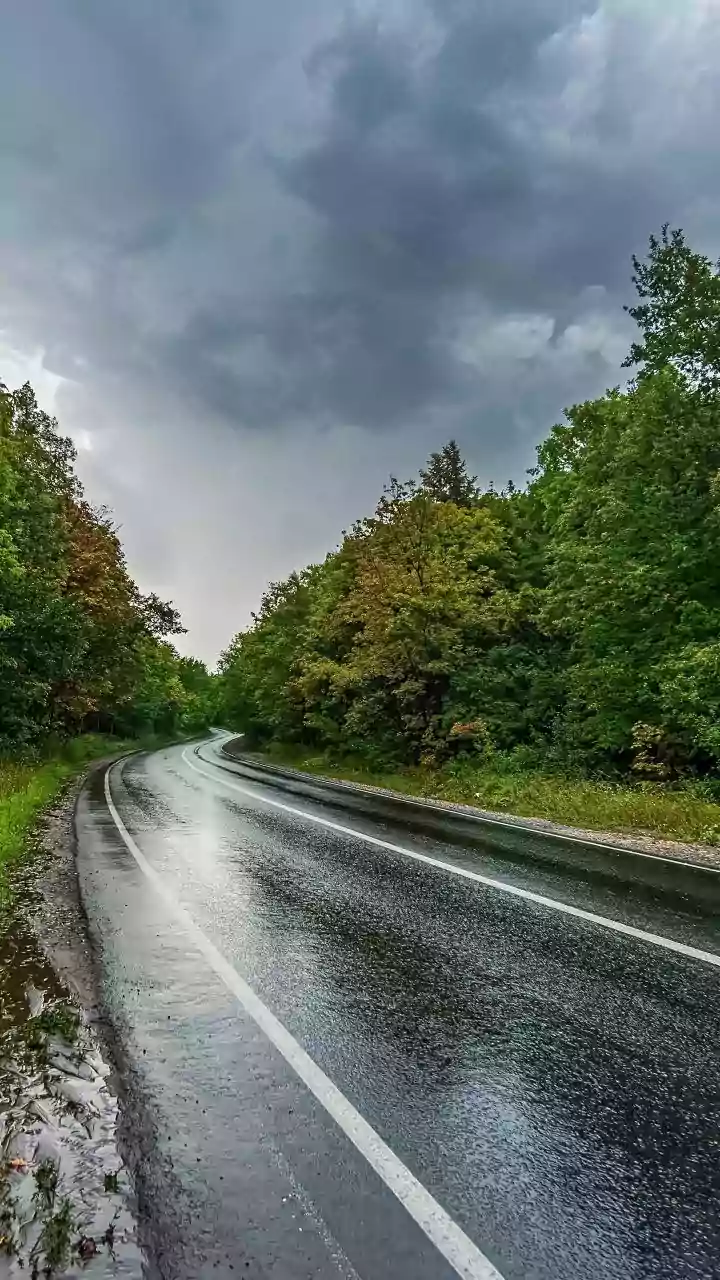
This might be the single most important rule for driving in the rain. Reducing your speed is critical because wet roads are incredibly deceptive. A thin layer of water is all it takes to cause hydroplaning, where your tyres lose contact with the road surface, and you lose control of the vehicle. The faster you go, the higher the risk. Slowing down gives your tyres a better chance to maintain their grip. Equally important is increasing the distance between you and the vehicle in front. Because braking distances are longer on wet surfaces, that extra space provides a crucial safety buffer. A good rule of thumb is to maintain at least a 'three-car distance' from the vehicle ahead. This gives you more time to react to sudden stops or hazards, preventing a potential collision. Remember, the goal is to arrive safely, not quickly.
3. Be Seen and See Clearly
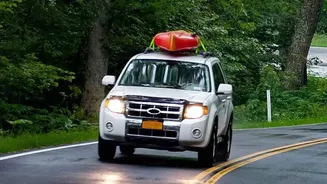
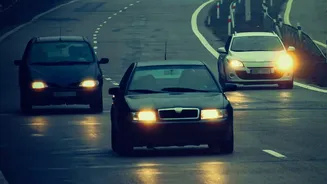
Visibility is a two-way street, especially during a heavy shower. It's not just about what you can see, but how easily others can see you. Always turn on your headlights when it's raining, even during the day. This makes you significantly more visible to other road users. For two-wheeler riders and pedestrians, wearing bright or reflective clothing can be a lifesaver. Dark jackets and umbrellas make you practically invisible in low light and heavy rain. Keeping your hands free for balance is also important for pedestrians. For drivers and riders, ensuring your view is unobstructed is key. Keep your windshield wipers in good condition and use them effectively. For motorcyclists, a clean, fog-free visor is essential for clear vision. Some riders use anti-fog sprays or inserts to prevent their visors from clouding up in the humidity.
4. Beware of Waterlogged Roads
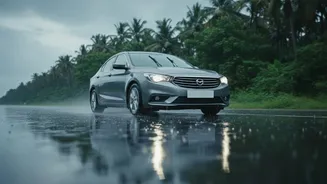
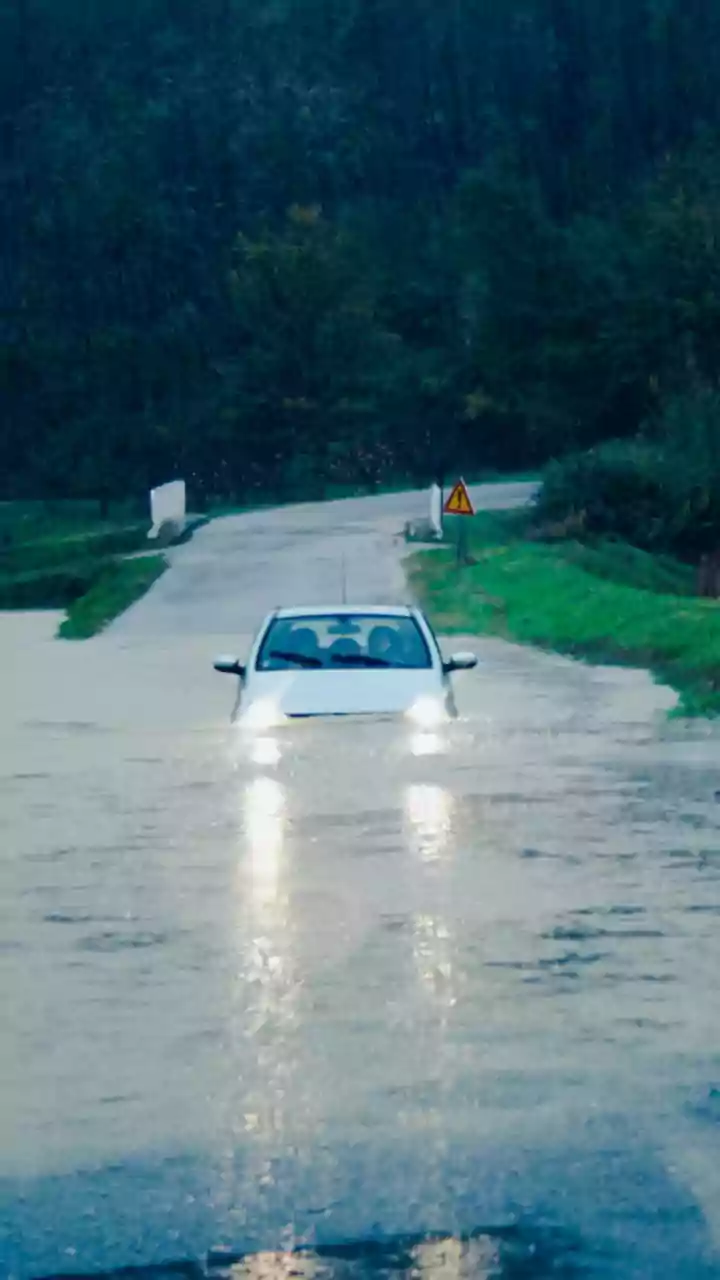
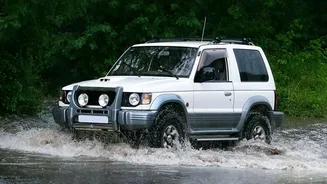
A familiar street can become a treacherous trap when it's flooded. Waterlogged roads are a common feature of the Indian monsoon, and they hide a multitude of dangers. Puddles can conceal deep potholes, debris, or even open manholes, any of which can cause serious damage to your vehicle or lead to an accident. If you encounter a flooded stretch, the safest option is to avoid it and find an alternate route. If you must proceed, do so with extreme caution. Try to gauge the water's depth by watching other vehicles. Drive slowly in a low gear to prevent water from entering your exhaust pipe. If your car stalls in deep water, do not try to restart the engine, as this can cause catastrophic damage. For pedestrians, wading through floodwaters is also risky, as it exposes you to contaminated water and hidden sharp objects.
5. Stay Patient and Avoid Distractions
Rainy commutes are stressful. Traffic moves slower, visibility is poor, and everyone is in a hurry to get out of the downpour. This is precisely when patience becomes a safety tool. Aggressive driving, such as sudden braking or sharp turns, is much more dangerous on slippery roads. Stay calm, accept that the journey will take longer, and focus completely on the task of driving. This means eliminating all distractions. Put your phone away, keep conversations to a minimum, and keep the volume of your music low. Your full attention needs to be on the road, watching for unpredictable behaviour from other vehicles and pedestrians who might be dashing through the rain without looking. A calm, focused, and patient driver is a safe driver, no matter what the weather is doing outside.