







Decoding the 'Green' Certification
The term 'green-certified' can feel vague, but for Bali's premier eco-resorts, it represents a deep and verifiable commitment. These aren't just hotels that ask you to reuse your towels. They are properties that have undergone rigorous audits to earn
certifications from global bodies like EarthCheck or Green Globe. These certifications evaluate everything from energy and water consumption to community engagement and sustainable sourcing. They look for resorts that actively contribute to the preservation of Balinese culture and environment, using local materials, supporting local communities, and designing spaces that harmonise with the natural landscape rather than dominate it. For the eco-centric traveller, this certification is a seal of authenticity, ensuring their stay genuinely supports a more sustainable model of tourism.
1. Bambu Indah: A Bamboo Paradise
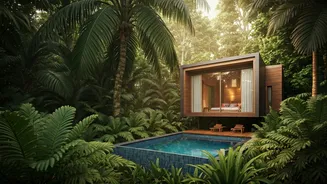
Nestled in the lush hills near Ubud, Bambu Indah is more than a resort; it's a pioneering statement on sustainable design. Founded by jewellery designer John Hardy and his wife Cynthia, the property is famous for its breathtaking structures made almost entirely from bamboo. Antique Javanese bridal homes have been restored and repurposed as unique guest villas, giving them a new life. The commitment to nature is absolute. Natural swimming pools are filtered by lava stones and aquatic plants, eliminating the need for chlorine. Much of the food served is harvested from their own organic gardens. Bambu Indah offers a magical, rustic-luxury experience, proving that world-class hospitality can be built from, and exist in harmony with, the earth.
2. Buahan, a Banyan Tree Escape: No Walls, No Waste
Imagine waking up to a 180-degree, uninterrupted view of Bali's seven majestic peaks, with nothing between you and the jungle canopy. This is the radical promise of Buahan, a Banyan Tree Escape. Its 'no walls, no doors' concept is designed to immerse guests completely in nature. But this philosophy extends far beyond architecture. Buahan operates on a zero-waste, farm-to-table principle. The open-air kitchen and living room source up to 70% of their ingredients from the resort's own organic farm. The menu is predominantly plant-based, celebrating local flavours and minimising environmental impact. It's an ideal destination for the modern nomad who seeks not just a place to stay, but a space to reconnect with the natural world on a profound level.
3. Fivelements Retreat Bali: Healing the Planet and the Self
Located along the sacred Ayung River, Fivelements Retreat is a wellness sanctuary deeply rooted in Balinese traditions. Holding a Green Globe certification, its eco-credentials are as strong as its focus on healing. The award-winning Sakti Dining Room is a leader in plant-based, raw vegan cuisine that nourishes the body while respecting the environment. The retreat itself is constructed from natural materials like bamboo and thatch, designed to blend seamlessly into the riverside setting. Fivelements goes beyond typical sustainability by integrating cultural preservation into its mission, offering guests experiences with local healers and ceremonial leaders. For travellers whose eco-consciousness is intertwined with personal wellness and spiritual growth, Fivelements offers a holistic and transformative escape.
4. Soori Bali: Coastal Luxury with a Conscience
Proving that sustainable design can also be sleek and contemporary, Soori Bali is a stunning resort located on the island's less-travelled southwest coast. Designed by renowned architect Soo K. Chan, the resort is built with locally sourced volcanic stone and other certified materials, earning it EarthCheck's highest level of certification (Platinum). The villas are designed for natural cooling with optimal airflow, reducing reliance on air conditioning. Beyond its architecture, Soori Bali is deeply involved in the local community. It supports local schools and is an active partner in conserving the area's nesting sites for endangered sea turtles. It’s the perfect choice for the traveller who appreciates minimalist luxury but demands that it come with a meaningful commitment to both people and place.