







The Headline Numbers
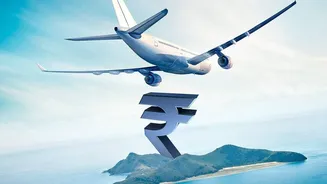
Air India's financials for the first six months of FY27, ending in September 2026, show an estimated consolidated loss of approximately ₹10,500 crore. This figure comes from disclosures by Singapore Airlines, which holds a 25.1% stake in the carrier.
While substantial, this represents a roughly 16% improvement from the estimated ₹12,500 crore loss during the same period in the previous year, suggesting that some cost-saving measures and operational restructuring efforts are beginning to yield results. However, the figure still highlights the immense financial pressure on the airline, which posted a staggering consolidated loss of over ₹22,000 crore for the full fiscal year 2026.
Investment Over Profit: The Cost of Transformation
The losses are not a sign of failure but a direct and expected consequence of the Tata Group's ambitious Vihaan.AI transformation plan. Launched in 2022, this multi-year roadmap is a top-to-bottom overhaul of the airline, which had suffered from decades of underinvestment. A significant chunk of the costs is tied to a historic aircraft order for 470 new planes, with options for more. Beyond just new planes, the airline has committed $400 million to retrofit its entire legacy wide-body fleet, a massive project involving new seats, cabins, and in-flight entertainment systems. This spending on product improvement, technology upgrades, and talent is a necessary, cash-intensive phase designed to build a foundation for future profitability.
The Merger Factor
Adding to the costs is the complex and expensive merger with Vistara. While the goal is to create a single, stronger full-service carrier, the integration process itself is a drain on resources. Merging two airlines involves aligning complex IT systems, retraining thousands of crew and ground staff, rationalizing routes, and rebranding assets. These activities incur significant short-term expenses. The integration of Air India Express and the former AirAsia India into a single low-cost entity presents similar challenges. While the long-term goal is to achieve operational synergies and economies of scale, the immediate financial impact is an increase in expenditure.
External Headwinds and Revenue Pressures
The airline's turnaround is also happening against a difficult external environment. Geopolitical issues, including the closure of Pakistani airspace for Indian carriers, have forced longer, more expensive flight paths to Europe and North America, significantly increasing fuel burn. Volatile jet fuel prices have further squeezed margins across the industry. While Air India has been working to grow its network and market share, these external pressures, combined with a competitive domestic market, make it challenging to increase revenue and yields (the average fare paid per passenger) fast enough to offset the massive strategic investments and rising operational costs.
Why No Full-Year Guidance?
The decision to report half-year results without offering a full-year forecast reflects the volatile and transformative phase Air India is in. In such a dynamic environment, with numerous variables from merger integration timelines to fuel costs and fleet delivery schedules, providing a reliable full-year estimate is nearly impossible. This move signals a deliberate focus by management on executing the long-term plan rather than managing short-term market expectations. In fact, Tata Sons Chairman N. Chandrasekaran has reframed the turnaround from a five-year plan to a potential ten-year journey, acknowledging the depth of the required changes.