



More Than Just Second-Hand
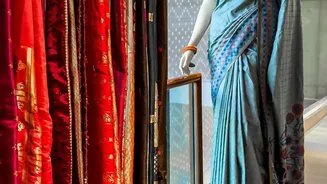
In India, the concept of reusing clothes is deeply ingrained, from passing down precious sarees to the domestic tradition of mending and repurposing garments. But for today's urban youth, thrifting is not just about necessity or tradition; it's a conscious
style choice. It has shed the old stigma once associated with second-hand goods and is now seen as a smart and creative way to shop. This new wave is less about simply buying used items and more about the art of the 'find'—the thrill of discovering a one-of-a-kind piece that nobody else will have, be it in a bustling city market in Delhi or a curated online store. This shift represents a move towards individuality in a world dominated by mass-produced trends.
The Instagram Marketplace
The engine of this cultural shift is undoubtedly social media. Instagram, in particular, has become the primary marketplace and community hub for thrifters across the country. In the last few years, especially since the pandemic, countless online thrift stores have emerged, many started by young entrepreneurs from their own closets. These digital curators build loyal followings by releasing 'drops' of unique clothing, from vintage jackets to Y2K-era tops, creating a sense of urgency and excitement. This online ecosystem has made thrifting accessible to a wider audience, moving it beyond physical flea markets in major cities like Mumbai and Delhi and into the phones of young people everywhere.
A Statement Against Fast Fashion
For many young Indians, the choice to thrift is also an ethical one. Growing awareness of the fashion industry's environmental impact—from massive textile waste to high water consumption—has pushed Gen Z towards more sustainable options. Thrifting offers a way to participate in fashion without contributing to the destructive cycle of 'take-make-dispose'. It's a form of guilt-free shopping that aligns with a growing desire for conscious consumption. By giving a second life to pre-loved garments, shoppers actively reduce waste and their carbon footprint, making a quiet but firm statement against the practices of many global fast-fashion giants.
Crafting A Unique Identity
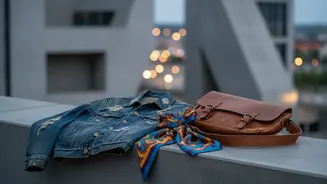
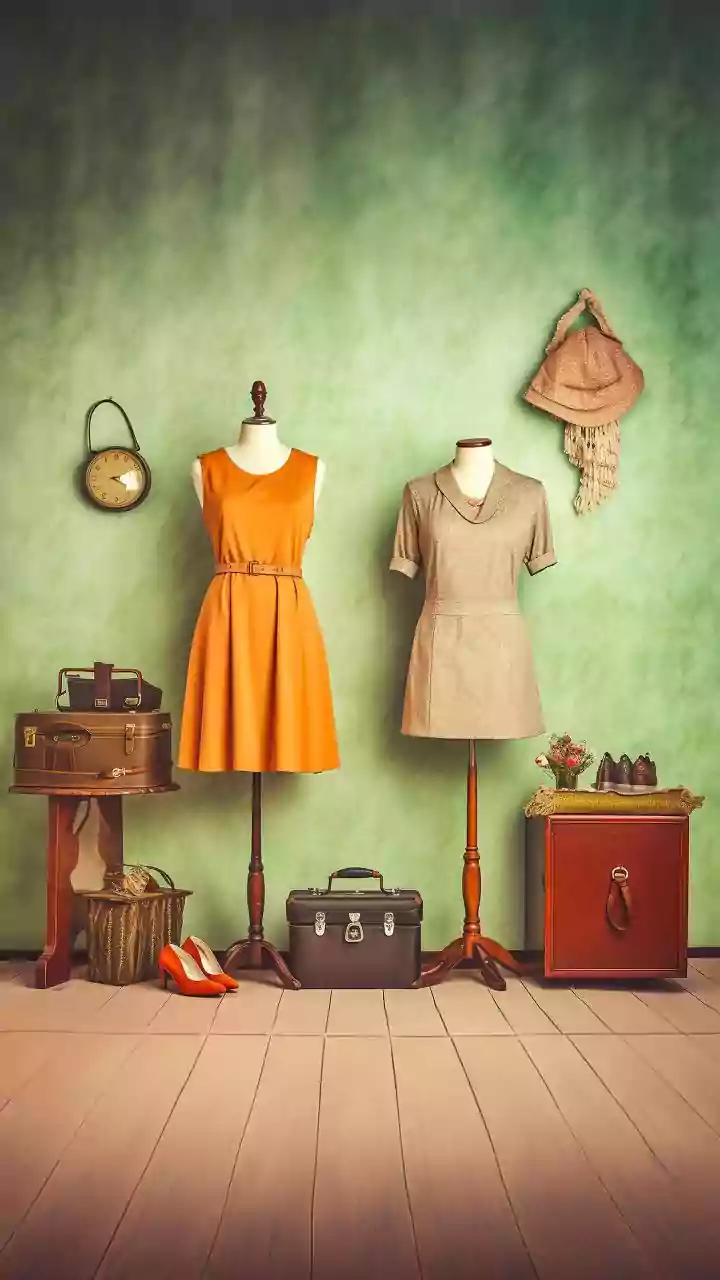
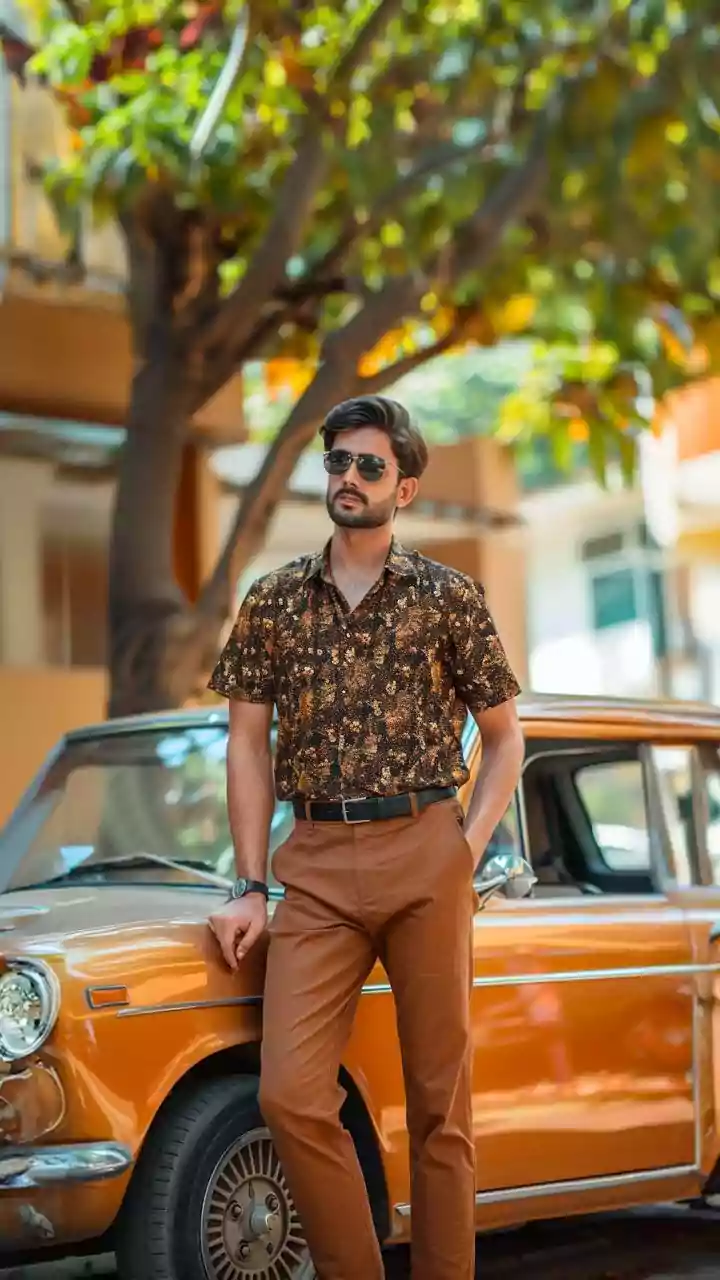
Ultimately, the thrifting boom is fuelled by a deep-seated desire for self-expression. In a landscape where mainstream retailers often offer homogenous styles, vintage and thrifted pieces allow for unparalleled creativity. Young people are not just buying old clothes; they are hunting for specific aesthetics, whether it's 90s retro, classic streetwear, or whimsical, one-off pieces that defy easy categorisation. Some even take it a step further by upcycling their finds—embroidering a jacket or cropping a t-shirt to make it truly their own. This process is about building a wardrobe that tells a personal story, moving beyond fleeting trends to cultivate a style that is both meaningful and distinctive.
The Economics of Cool
While style and sustainability are major drivers, the affordability of thrifting is a key part of its appeal, especially for students and young professionals on a budget. It makes experimenting with different looks and trends financially accessible. Why spend thousands on a single branded item when you can find a unique, high-quality vintage piece for a fraction of the cost? This economic advantage allows young fashion enthusiasts to build a diverse and exciting wardrobe without the financial strain. It democratises style, proving that a limited budget doesn't have to mean limited creativity.