







The Fast Fashion Paradox
Gen Z has a complicated relationship with fast fashion. On one hand, their consumption habits are shaped by digital fluency and a desire for fresh, affordable styles, making them prime customers for brands that drop new collections at lightning speed.
Platforms like TikTok and Instagram are powerful discovery engines, where micro-influencers and viral trends can make a product a must-have overnight. Yet, this is the same generation that is acutely aware of the industry's dark side: exploitative labour practices and immense environmental waste. While many actively boycott fast-fashion brands over these concerns, the affordability and trendiness remain a strong pull, especially for students and young professionals on a budget. This creates a constant negotiation between their values and their wallets.
Thrifting Becomes a Badge of Honour
For many in Gen Z, the answer to the fashion paradox is second-hand. Thrifting has shed its old image and is now a mainstream movement, celebrated as a statement of sustainability and creativity. In India, online thrift stores on Instagram and resale platforms are booming, offering everything from unique vintage finds to premium pre-owned streetwear. This shift is driven by more than just cost savings; it's a conscious rejection of the wasteful fast-fashion cycle. Finding and wearing a pre-loved garment is seen as a badge of honour, a sign of individuality and a commitment to reducing textile waste. As a result, the global market for secondhand apparel is projected to grow significantly, with Gen Z leading the charge.
DIY, Upcycling, and Supporting Local
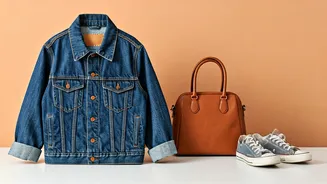
Beyond buying second-hand, Gen Z is embracing creativity to make their wardrobes more sustainable. Upcycling old clothes and DIY customisation have become popular ways to express individuality while giving garments a new lease on life. This can range from painting on a denim jacket to transforming an old saree into a contemporary piece like a corset. It’s a trend that merges creativity with conscience. Alongside this, there's a growing movement to support local and homegrown brands that prioritize ethical production and handloom fabrics. This holistic view of sustainability considers the entire lifecycle of a garment, from fair labour practices to the use of conscious materials.
Holding Brands Accountable
As the first truly digital-native generation, Gen Z understands how to leverage social media for activism. They are increasingly using their collective voice to demand transparency from fashion brands regarding their supply chains and environmental impact. Greenwashing—when brands make misleading claims about their environmental efforts—is quickly called out, and companies can face boycotts and social media campaigns for unethical practices. Studies show that a significant majority of Gen Z consumers are willing to pay more for sustainable products and prefer to buy from brands that align with their values. They expect brands to be authentic and demonstrate a real commitment to social and environmental causes, making accountability a key factor in their purchasing decisions.