



The Cold-Pressed Difference
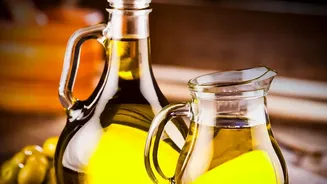
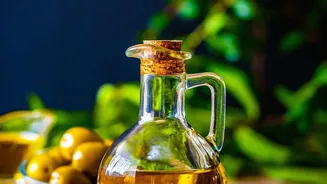
The term "cold-pressed" or "kachi ghani" refers to a method of oil extraction where seeds or nuts are crushed mechanically at low temperatures, without the use of high heat or chemical solvents. This gentle process is crucial because it preserves the oil's
natural character—its original colour, aroma, and most importantly, its nutritional profile. Refined oils, on the other hand, undergo processes like bleaching and deodorising, which strip away many of the beneficial antioxidants, vitamins, and fatty acids. The result is that cold-pressed oils are not just a cooking medium; they are an ingredient, bringing distinct flavours and health benefits to the table.
Mustard Oil: The Pungent Powerhouse
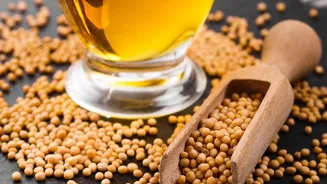
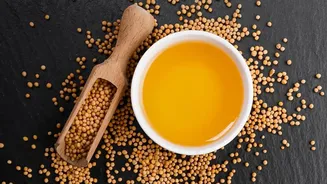
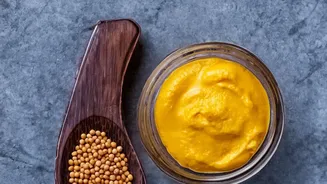
Known as 'sarson ka tel', cold-pressed mustard oil is the soul of many cuisines in North and East India, particularly in Bengal, Bihar, Punjab, and Rajasthan. Its defining feature is a sharp, pungent flavour derived from a compound called allyl isothiocyanate, which is preserved only through cold pressing. This oil has a relatively high smoke point, making it versatile for various cooking methods. In Bengali cooking, it is the default fat, used for frying fish like Hilsa and in preparations like 'shorshe maach' and 'aloo posto'. In Bihar, it is essential for the flavour of 'litti chokha', often drizzled raw. Many North Indian cooks heat the oil until it just begins to smoke to mellow its pungency, a technique known as 'pakao', before using it for curries and sabzis. Its natural preservative properties also make it the traditional choice for pickles across India.
Sesame Oil: The Nutty Staple
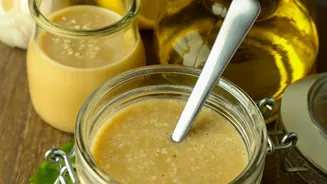
Sesame oil, or 'til ka tel', is a cornerstone of South Indian cooking, especially in Tamil Nadu and Andhra Pradesh. Revered in Ayurveda as a warming oil, it imparts a distinct, nutty flavour that's hard to replicate. Cold-pressed sesame oil (often called gingelly oil) is rich in antioxidants like sesamol and sesamin. It is the traditional choice for tempering spices for sambar and rasam, and for flavouring various rice dishes like puliyodharai (tamarind rice). It's also mixed with 'idli podi' as a flavourful accompaniment. While it can be used for sautéing and stir-frying at moderate heat, its true character shines when used as a finishing oil or in dressings. Though less common in the North, it appears in some winter dishes and marinades for tandoori preparations.
Groundnut Oil: The Versatile Fryer
Cold-pressed groundnut oil, also known as peanut oil, is a kitchen staple in Western and Southern India, particularly in Gujarat, Karnataka, and Andhra Pradesh. Its main advantage is a high smoke point (around 230°C), which makes it exceptionally stable for high-heat cooking methods like deep-frying and stir-frying. This is why it's the traditional oil of choice for frying snacks like pakoras, samosas, and vadas. Unlike the strong character of mustard oil, groundnut oil has a milder, nutty flavour that enhances food without overpowering it. It works beautifully for everyday cooking, from making the 'tadka' for dals and poha to sautéing vegetables for sabzis. Its balance of flavour and heat stability makes it one of the most versatile and reliable oils for a wide range of Indian dishes.