



The Classic Monsoon Trek: Valley of Flowers, Uttarakhand
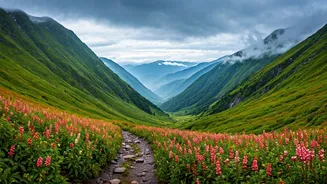
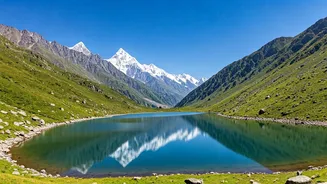
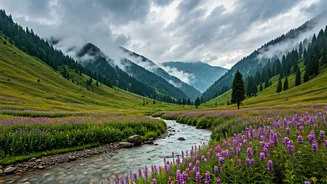
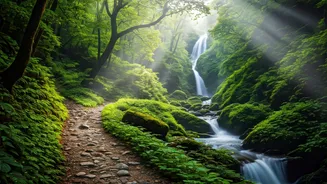
There is a reason the Valley of Flowers is a UNESCO World Heritage Site that only opens during the monsoon. From late July to early September, this high-altitude valley in the Chamoli district becomes a carpet of over 500 species of wildflowers. The monsoon rains
bring the valley to life, creating a breathtaking, colourful landscape framed by misty peaks and glaciers. The trek itself is considered moderate, making it accessible to beginners with a decent level of fitness. The journey begins from Govindghat, with a trek to the village of Ghangaria, which serves as the base camp. From there, it's a 3 km walk to the valley entrance. The peak blooming season, when you'll find the most diverse range of flowers, is between mid-July and mid-August. Be prepared for daily afternoon showers and pack accordingly with waterproof gear being essential. Many trekkers also combine this trip with a visit to the sacred Hemkund Sahib lake, a steep but rewarding climb from the same base camp.
The Rain Shadow Ride: Spiti Valley, Himachal Pradesh
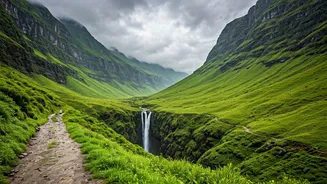
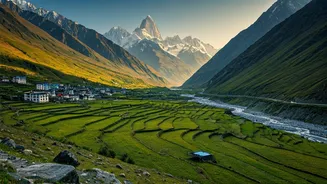
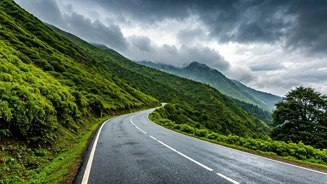
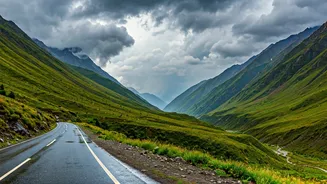
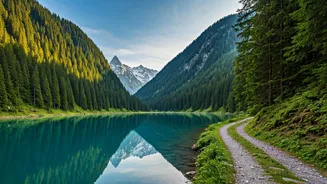
For those seeking a road trip adventure, Spiti Valley offers a unique proposition. Situated in a rain-shadow region of the Himalayas, Spiti itself receives very little rainfall, resulting in clear skies and dry conditions even in July and August. The adventure, however, lies in getting there. The two main access routes—from Shimla via Kinnaur and from Manali via Kunzum Pass—are both susceptible to monsoon-related challenges like landslides and road closures. The route from Shimla is generally considered more reliable, though the stretch between Wangtu and Sumdo is known for landslide activity. The Manali route is shorter but rougher, with challenging sections and water crossings, especially on the stretch from Gramphu to Losar. A trip to Spiti in the monsoon is not for the faint of heart and requires flexible planning with buffer days. The reward is witnessing the stark, high-altitude desert landscape in its prime, with access to ancient monasteries like Key and Dhankar, and the world's highest villages.
The Serene Escape: Tirthan Valley, Himachal Pradesh
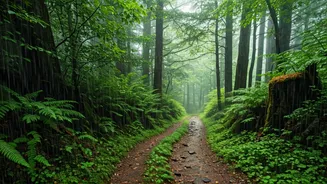
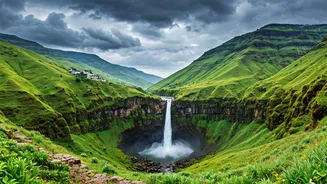
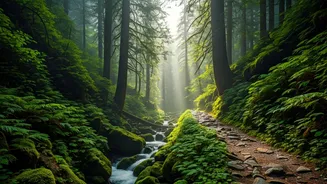
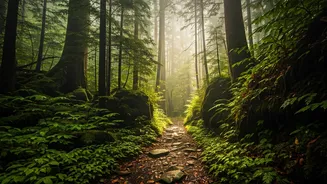
If your idea of a monsoon adventure is less about extreme challenges and more about serene natural beauty, Tirthan Valley is your destination. While many tourists avoid the area during the heavy rains of July and August, those who venture here find a valley transformed. The Tirthan River swells, waterfalls are in full force, and the forests of the Great Himalayan National Park become incredibly lush and green. It's a time of fewer crowds and a more peaceful atmosphere. While core zone treks in the national park are often discouraged due to slippery trails, there are plenty of safer ecozone hikes, village walks, and trails to waterfalls like Chhoie Waterfall that are perfect for the season. The key is to be prepared for rain and potential road blocks on the approach from Aut. For a balance of monsoon beauty and lower risk, consider visiting in late June or after mid-August.
Safety is the Best Adventure: Essential Monsoon Tips
Trekking and travelling in the mountains during the monsoon requires extra caution. Safety should always be your top priority. Firstly, waterproof everything. Use a good quality rain jacket or poncho, a rain cover for your backpack, and keep electronics and important documents in dry bags or ziplocks. Secondly, wear appropriate gear. This means quick-drying clothes (avoid cotton) and waterproof trekking shoes with excellent grip. A trekking pole can be invaluable for stability on slippery descents. Always check the latest weather forecasts and road conditions before and during your trip, and listen to local advice. Be prepared for plans to change. Start your treks early in the morning to avoid the afternoon showers which are common in the mountains. Finally, never underestimate the power of nature; know when to turn back if conditions become unsafe.