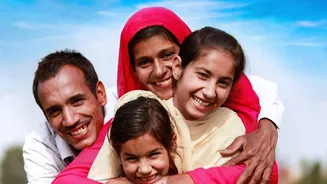








From a Room to an Experience
The very definition of accommodation is changing for India’s millennials and Gen Z. Instead of traditional paying guest (PG) setups or isolated rental apartments, many are now drawn to 'stays designed around togetherness'. This umbrella term covers everything
from professionally managed co-living spaces in major cities like Bengaluru and Mumbai to community-centric hostels and rural homestays. These are not just shared spaces; they are curated environments that combine private rooms with communal kitchens, lounges, co-working areas, and even gyms. The package often includes Wi-Fi, housekeeping, and maintenance, offering a hassle-free, plug-and-play lifestyle that aligns with the dynamic needs of today's youth.
A Cure for Urban Loneliness
Beneath the surface of this practical choice lies a deeper emotional driver: the search for connection. As young people migrate to urban centres for jobs and education, they often leave their traditional support systems behind. This move, combined with the fast-paced, often impersonal nature of city life, has fuelled what some experts call a 'loneliness epidemic'. Studies indicate that a significant percentage of urban Indians experience loneliness. Stays built around togetherness offer a ready-made solution. They provide a social safety net, with organized events, shared activities, and common areas designed to foster interaction, helping residents build meaningful personal and professional relationships organically.
It Makes Financial and Practical Sense
Beyond the social appeal, the decision is grounded in sound economics. Setting up a new apartment involves significant upfront costs, from security deposits and brokerage fees to buying furniture and appliances. Co-living spaces bundle these expenses into a single monthly rent, offering financial predictability. They also provide flexibility, with shorter lease terms that cater to a generation known for job-hopping and high mobility. For a young professional or student who might stay in a city for a project or a two-year course, the freedom from long lock-in periods is a major advantage. This model prioritises convenience and experience over the burdens of ownership.
A Lifestyle Built on New Priorities
This trend also reflects a broader generational shift in values. Many young Indians today prioritize experiences over possessions and flexibility over permanence. This mindset extends to travel as well, with a growing interest in 'slow travel', workations, and community-based tourism. Whether it’s a long-stay in the mountains or a co-living hub in a metro, the demand is for authentic experiences and genuine connections. These stays offer a lifestyle that is less about accumulating things and more about personal growth, networking, and being part of a like-minded community. It’s a move away from passive consumption and towards active participation in a shared social life.